Shoulder Season Permits: Easier Bookings
Everyone wants permits for July and August. That's exactly why you shouldn't. Shoulder season (May-June and September-October) offers dramatically better permit odds, often better conditions, and a fundamentally different wilderness experience. Here's the case for off-peak timing.
What Is Shoulder Season?
Shoulder season refers to the periods between peak summer and winter closure. In most Western wilderness areas, this means late May through mid-June and September through mid-October. Snow may linger early, and storms may arrive late, but conditions are often excellent.
Shoulder Season Permit Advantages
The advantages stack up:
- Fewer applicants competing for the same permits than in peak summer
- FCFS permits often available same-week in shoulder season
- Cancellation rates higher (people overestimate weather risks)
- Walk-up permits frequently available at ranger stations
- Group size availability better (easier to find 6-person slots)
Early Season (May-June) Considerations
Early shoulder season has specific characteristics:
- Snow: May linger at high elevations, check trip reports
- Water crossings: Spring snowmelt means higher, colder streams
- Trails: May be obscured by snow, require navigation skills
- Bugs: Mosquitoes peak in June in many Sierra areas
- Daylight: Longest days of the year for maximum hiking time
- Wildflowers: Often at peak bloom in subalpine meadows
Late Season (September-October) Considerations
Fall shoulder season offers different trade-offs:
- Weather: More stable than early season, but storms possible
- Temperatures: Cool nights (near freezing at altitude)
- Water: Sources may be dry after summer (plan carefully)
- Crowds: Dramatically reduced after Labor Day
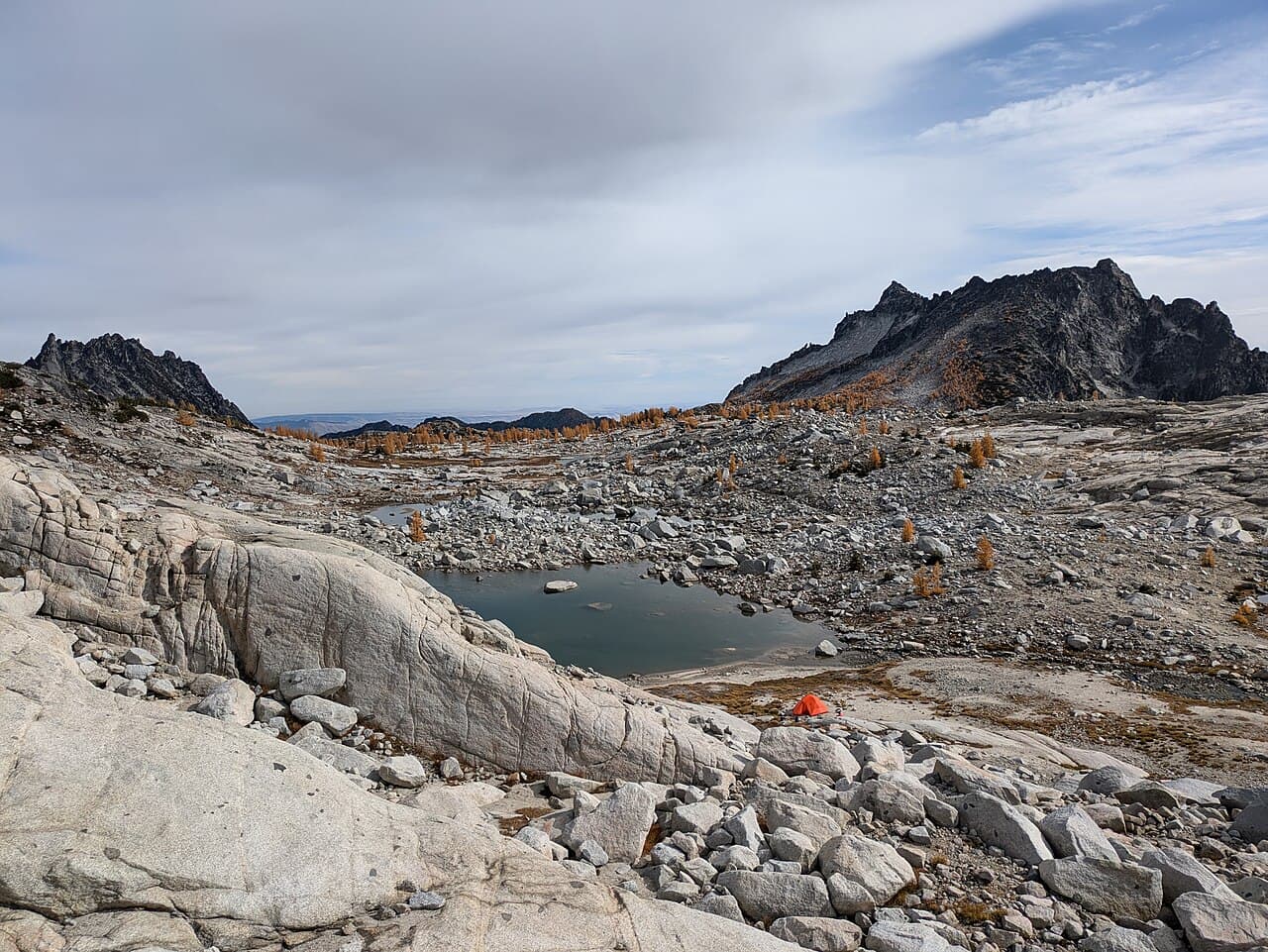
- Colors: Fall foliage in aspen zones, golden larches
- Wildlife: Animals actively preparing for winter
Tip: September Is the Sweet Spot
For most permits, September offers the best combination: Snow is melted. Monsoon season has passed. Mosquitoes are gone. Kids are back in school (reducing family crowds). The air is clearer than smoky August. And permit competition drops dramatically. The one trade-off: shorter days and cooler nights.
Permits That Shine in Shoulder Season
Some destinations are particularly good off-peak:
- Enchantments (WA): October larch season is magical, slightly easier permits
- Grand Canyon: September-October has ideal hiking temps
- Zion (Narrows): September water levels are lower, crowds thin
- Desolation Wilderness: September has best conditions and availability
- Olympic Coast: September often has the best weather of the year
Warning: Know Your Limits
Shoulder season requires more experience and preparation:
- Navigation skills needed if snow obscures trails
- Colder temperatures require better sleep systems
- Water sources may be unreliable late in season
- Rescue response may be slower in off-season
- Some facilities (stores, shuttles) close after Labor Day
Gear Adjustments for Shoulder Season
Your summer kit needs modifications:
- Sleep system: Bag rated 10-15°F warmer than summer
- Insulation: Puffy jacket and warm layers for cold nights
- Navigation: GPS device and offline maps (snow can obscure trails)
- Traction: Microspikes for early-season snow travel
- Water: Extra capacity for late-season dry sources
Applying for Shoulder Season Permits
Strategic tips for off-peak applications:
- In lotteries, include shoulder dates as your primary choices
- FCFS shoulder dates may be available weeks or days before
- Walk-up permits are often plentiful in September
- Watch weather forecasts and grab last-minute cancellations
- Be flexible within the shoulder window (first week of Sept vs last)
The Weekday Multiplier
Shoulder season weekdays are permit gold. While July Saturday permits are fought over, a Tuesday in September often goes unclaimed. If you have any schedule flexibility, combining shoulder season with weekday travel creates the easiest path to competitive permits.
Tip: Last-Minute Shoulder Season
Unlike peak summer, shoulder season allows spontaneity. Check permit availability on Wednesday for a Saturday trip. In September, you'll often find openings that would be impossible in July. Keep your gear ready and your schedule flexible for last-minute adventure.
Shoulder Season Weather Reality
People overestimate shoulder season weather risks:
- September has statistically better weather than August in many areas
- Early season snow is often passable with microspikes
- Weather forecasts are reliable 5-7 days out for planning
- Afternoon thunderstorms decrease after August
- Most trip cancellations are overcautious, not necessary
Conclusion
Shoulder season is the experienced hiker's secret. While everyone fights for July permits, September weekdays often go begging. The weather is frequently better than summer. The trails are empty. The landscapes wear fall colors. Yes, you need slightly more preparation and gear. But the permit advantages alone make it worthwhile. Consider making shoulder season your default, not your backup plan.