How to Get a Mt. Whitney Trail (Overnight) Permit
Sixty people a day get to sleep on the mountain — and Inyo's own advice for backpackers is exactly that, camp one or two nights and let your body catch up with the altitude.
Check Mt. Whitney Trail (Overnight) permit availability60 people/day, no published rate
Lottery Odds
60
People Per Day
$6 per reservation + $15 per person
Permit Cost
2-4 days
Duration
21.4 miles
Distance
About Mt. Whitney Trail (Overnight)
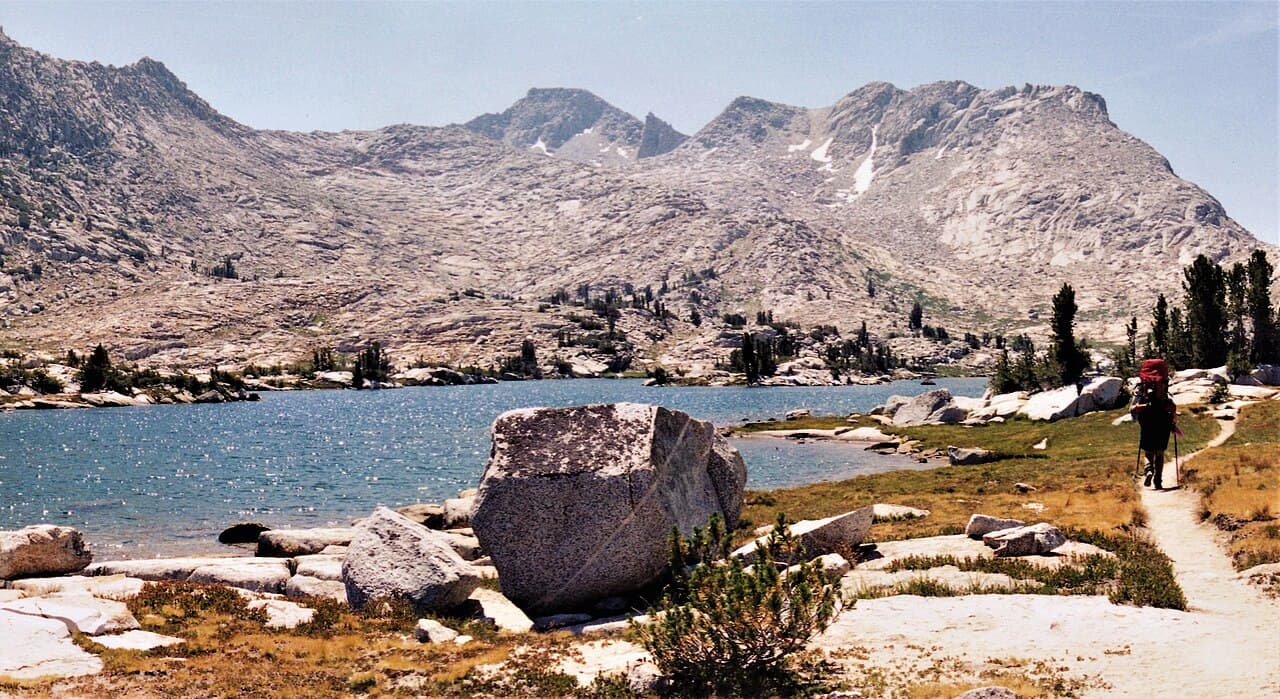
This is the Inyo National Forest overnight permit for multi-day trips starting on the classic Mt. Whitney Trail, including camping at Lone Pine Lake. Quota season runs May 1 to November 1 and the cap is 60 people per entry day — a separate pool from the 100 day-use permits issued for the same trailhead. Every date in quota season is allocated through the Mt Whitney Lottery: applications February 1 to March 1, results March 15, claim and pay by April 21, and unclaimed dates released to everyone at 7 am on April 22. Unlike the day use permit, this one can be extended. Inyo will let the permit carry on onto the John Muir Trail if you give the exit location, exit date and full itinerary — one permit for continuous wilderness travel through adjacent parks and forests, following each area's local rules.
This permit does two things the day use permit cannot. It lets you break 6,200 feet of climbing across more than one day, which is the difference between a summit and a headache at 13,000 feet. And it can be extended: Inyo states that the Mt Whitney Trail overnight permit "can also be extended to continue onto the John Muir Trail," which makes it a legitimate southern terminus permit for a 211-mile hike as well as a two-night trip up a big hill.
The Experience
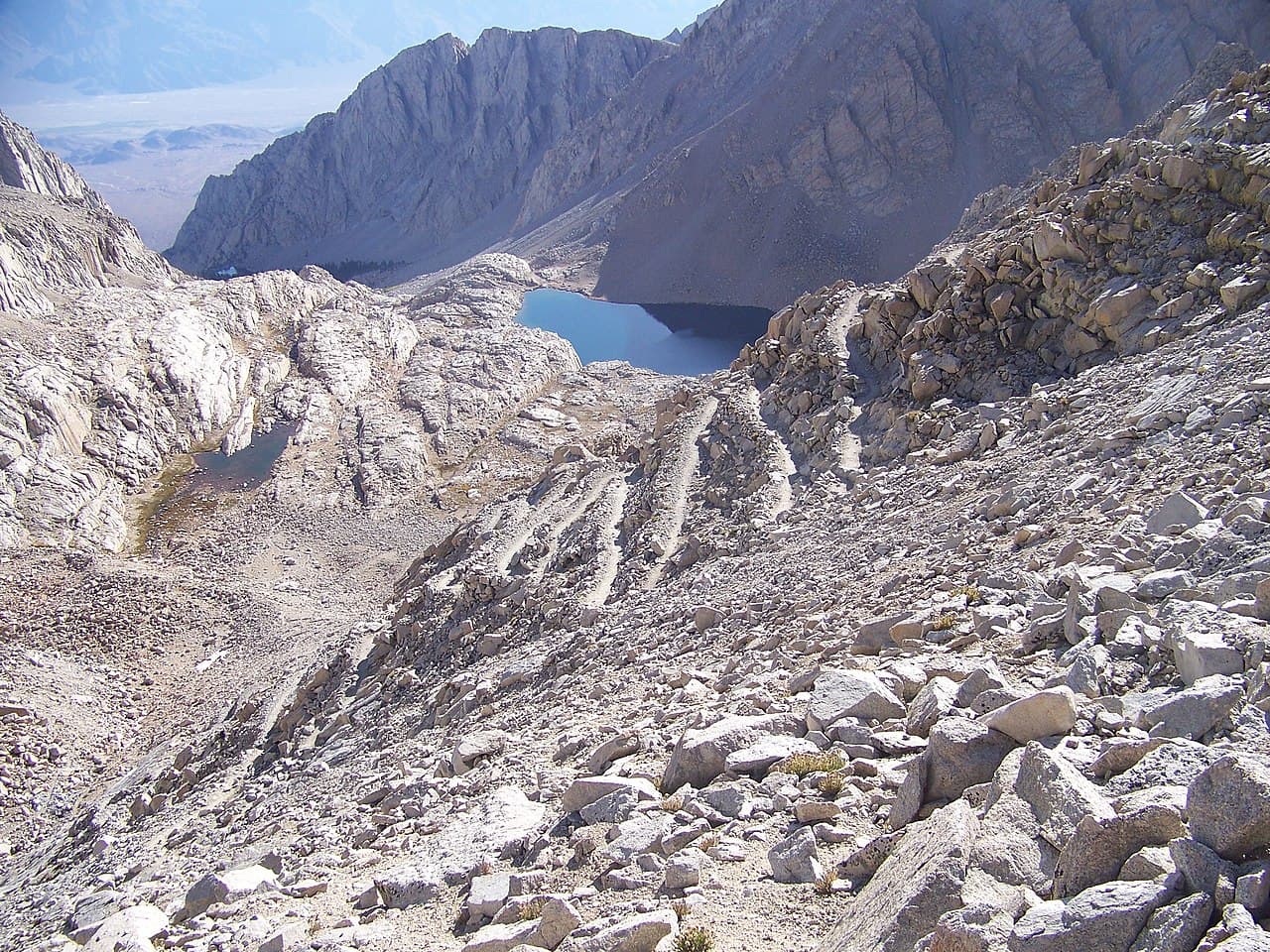
Trail Camp at 12,000 feet is a shelf of granite and small tarns with tents scattered across it and the switchbacks rising directly above. The sun leaves it early because the crest is right there, and it gets cold fast. At 3 am the headlamps start moving up the wall in a slow line, and the day hikers who left the Portal at midnight begin catching you.
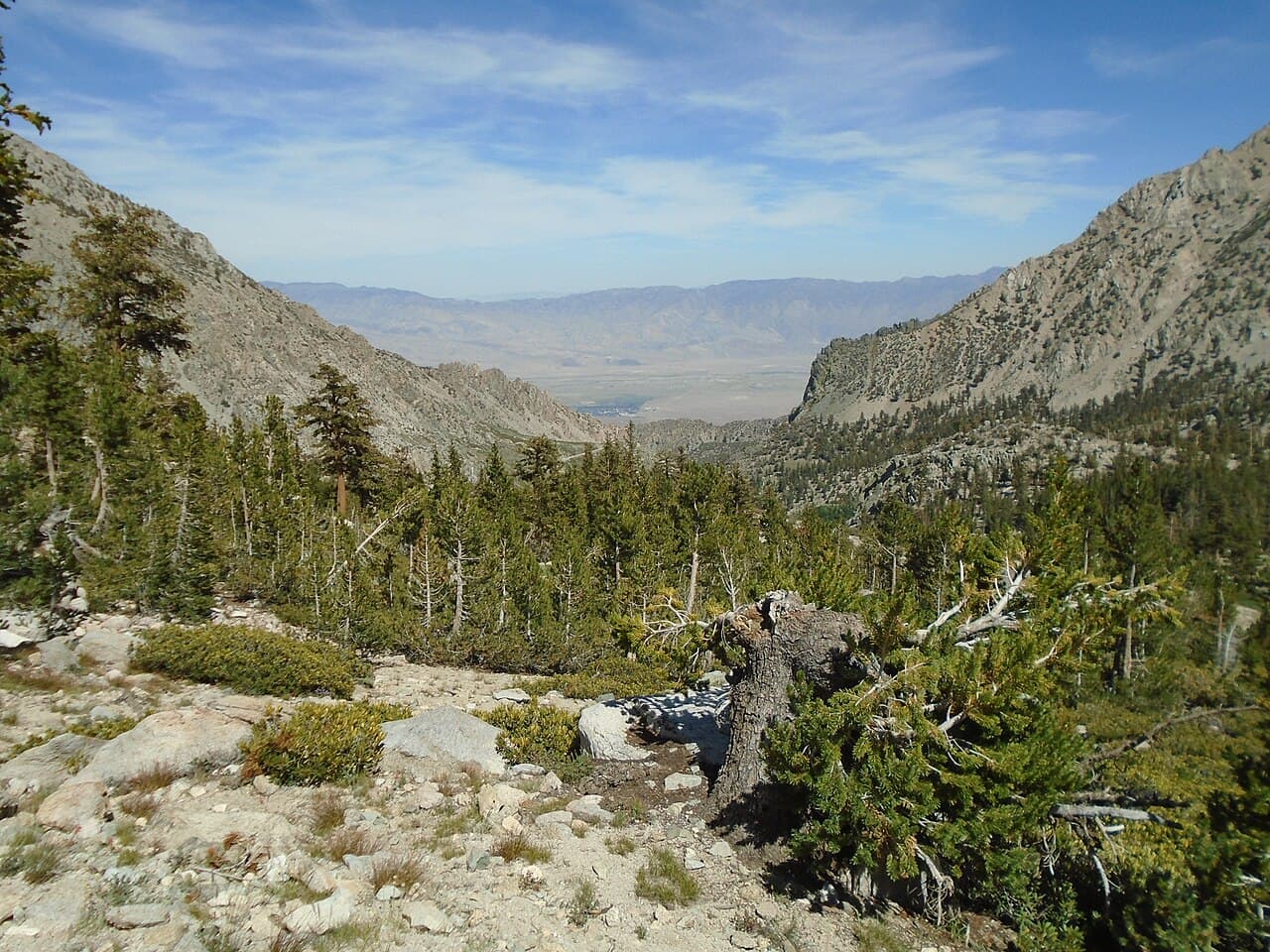
The route is the same 10.7-mile trail from Whitney Portal that day hikers use, gaining over 6,200 feet from 8,360 feet to the 14,505-foot summit. What changes is the pacing. Inyo names the camps: Lone Pine Lake at 9,900 feet, Outpost Camp at 10,400, Consultation Lake at 11,600 and Trail Camp at 12,000, describing them as the common choices for backpackers who want more time to adapt to the elevation.
Above Trail Camp the trail climbs the switchbacks — 100 of them by the park's count — to Trail Crest at 13,600 feet, where the Mt. Whitney Trail crosses into Sequoia National Park roughly two miles from the summit. There is no reliable water between Trail Camp and the far side of the crest, so most parties leave camp with everything they need for the summit day.
One boundary matters more than any other on this permit. It does not cover the North Fork of Lone Pine Creek, the approach to the Mountaineer's Route, East Face, East Buttress and Mt. Russell — Inyo says so twice, in the permit description and in the terms you agree to at checkout. That approach needs its own overnight permit.
What to Expect
60 people per entry day, in a separate quota from the 100 day-use permits at the same trailhead
Named camps at 9,900, 10,400, 11,600 and 12,000 feet, which is how Inyo suggests handling the altitude
100 switchbacks between Trail Camp and Trail Crest at 13,600 feet
No reliable water above Trail Camp
The option to keep going onto the John Muir Trail on the same permit
No coverage for the North Fork of Lone Pine Creek approach to the technical routes
Get Mt. Whitney Trail (Overnight) Alerts
Be first to know when cancellations happen.
Permit Requirements
A permit is required year-round for entry to the Mount Whitney Zone
The permit does not include trips up the North Fork of Lone Pine Creek to the Mountaineer's Route, East Face, East Buttress or Mt Russell
Bear-resistant containers are required for overnight trips
Maximum group size is 15 people, and groups cannot combine to exceed 15
All Mt. Whitney hikers are expected to pack out solid human waste; kits are at the trailhead and the visitor center
Print the permit before 10 am on the entry date or the reservation is cancelled as a no-show
Campfires are prohibited in the Mt Whitney Zone
Camping is prohibited at Mirror Lake and Trailside Meadow on the Mt. Whitney Trail
Camp at least 100 feet from lakes, streams and trails, and never within 50 feet
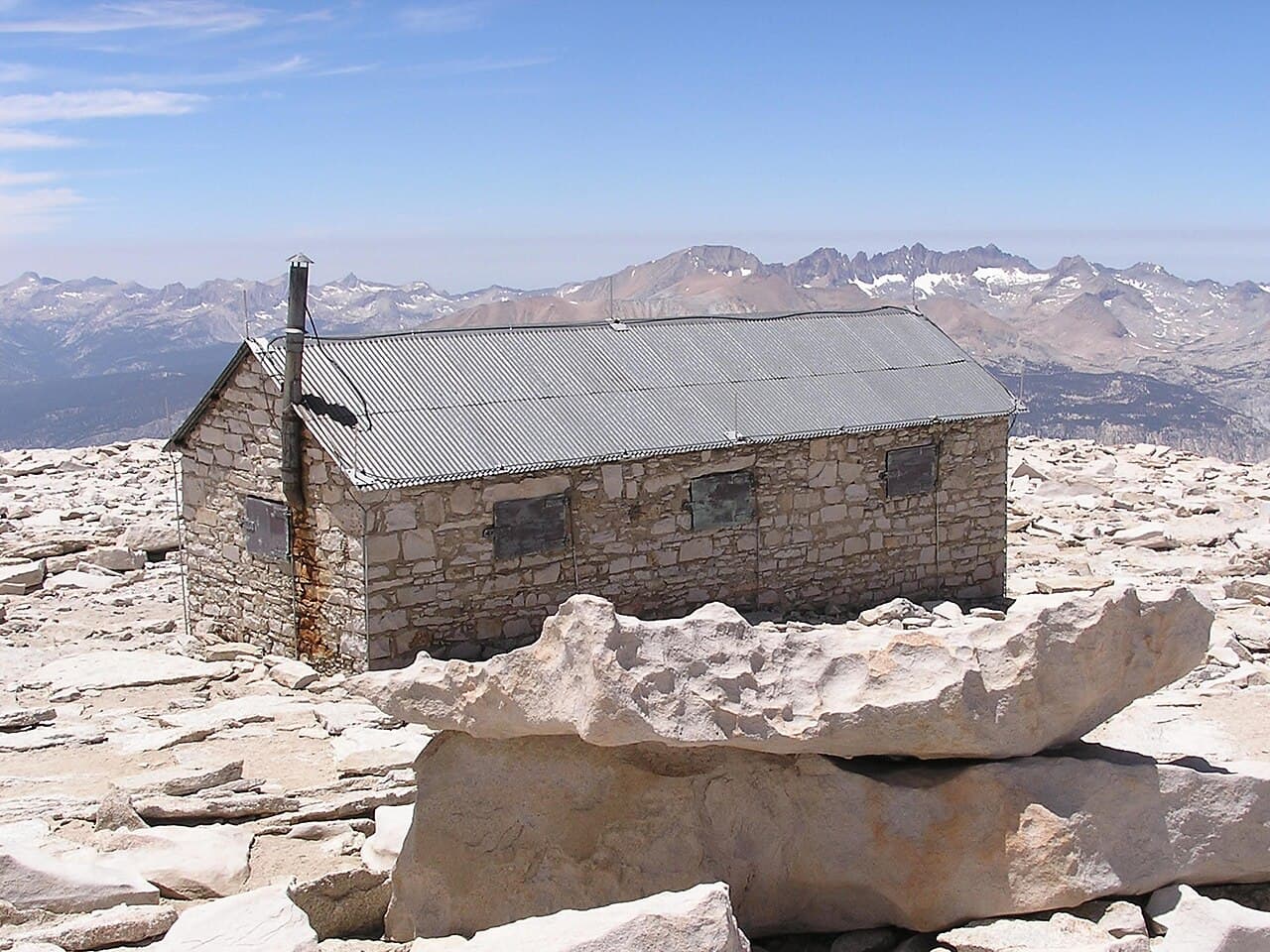
Once past Trail Crest, Sequoia National Park rules apply: no camping in the Mt. Whitney shelter, a two-night limit in the Crabtree and Whitney Creek area and at Guitar Lake, no camping at Timberline Lake, and a maximum party of 8 off trail on Mt. Whitney
Stock is prohibited from Whitney Portal to Trail Crest; pets are prohibited beyond the park boundary
Gear & Preparation
Required Gear
- •A bear-resistant container — required for overnight trips, and rentable at the visitor center
- •A pack-out kit for solid human waste
- •A stove; campfires are prohibited in the Whitney Zone
- •Cold-weather sleeping gear for a camp at 12,000 feet, where the sun drops behind the crest early
- •Capacity to carry all summit-day water from Trail Camp
Recommended Gear
- •Trekking poles for the switchbacks under a pack
- •A California Campfire Permit, which Inyo requires to operate a stove
- •Printed SEKI terms and conditions, which Inyo requires for travel into Sequoia and Kings Canyon
- •Downloaded maps — most of the trail has no cell service
- •Something for the wind at Trail Camp, which is a shelf with nothing to hide behind
Hazards & Safety
Altitude, even with a night on the mountain — Inyo's guidance is to acclimate first and learn the symptoms
Lightning above Trail Camp, on ground with no shelter; the summit hut's metal roof conducts strikes
Snow and ice outside roughly mid-July to late September, when winter mountaineering skills and equipment become necessary
No reliable water between Trail Camp and the west side of the crest
Very active bears at Whitney Portal — never leave food in a car or a pack unattended
Marmots at the JMT junction where people cache packs for the summit spur
Best Time to Visit
Quota season is May 1 to November 1, and Inyo says the trail is usually snow-free from July to late September. NPS puts the non-technical window at mid-July to early October. Two or three nights in that stretch is the most reliable way to reach the summit; outside it, the same route is a winter climb even though permits are unlimited and bookable two weeks ahead.
Pro Tips
Camp one night at Outpost Camp or Trail Camp rather than pushing from the Portal; that acclimatization night is the whole reason this permit exists
Apply for both day use and overnight on the same February application — Inyo lets you list 10 alternate trip choices
Carry all summit-day water from Trail Camp; there is nothing reliable above it
Print the permit before 10 am on your entry date, the overnight no-show deadline
If you want the Mountaineer's Route, reserve the North Fork of Lone Pine Creek permit instead — this one will not cover it
Give the exit location and itinerary at reservation time if you plan to walk on to the John Muir Trail
April 22 at 7 am Pacific is the fallback: every unclaimed lottery date goes on general sale
100+ wilderness permits, extensive backcountry experience
This guide is based on personal experience obtaining wilderness permits and is regularly updated to reflect current policies and strategies.
Frequently Asked Questions
How do I get a Mt. Whitney Trail (Overnight) permit?
+
Mt. Whitney Trail (Overnight) permits require advance reservations. Book online as soon as reservations open for your desired dates.
When is the best time to visit Mt. Whitney Trail (Overnight)?
+
Quota season is May 1 to November 1, and Inyo says the trail is usually snow-free from July to late September. NPS puts the non-technical window at mid-July to early October. Two or three nights in that stretch is the most reliable way to reach the summit; outside it, the same route is a winter climb even though permits are unlimited and bookable two weeks ahead.
How difficult is Mt. Whitney Trail (Overnight)?
+
Backpackers who want the summit with an acclimatization night built in, and John Muir Trail hikers using Whitney Portal as a southern start.
What gear do I need for Mt. Whitney Trail (Overnight)?
+
Essential gear includes: A bear-resistant container — required for overnight trips, and rentable at the visitor center, A pack-out kit for solid human waste, A stove; campfires are prohibited in the Whitney Zone, Cold-weather sleeping gear for a camp at 12,000 feet, where the sun drops behind the crest early, Capacity to carry all summit-day water from Trail Camp.
Don't Miss Your Mt. Whitney Trail (Overnight) Permit
Cancellations happen every day. PermitSnag monitors Mt. Whitney Trail (Overnight) availability 24/7 and alerts you the moment a spot opens up.
Get Permit Alerts