How to Get a Glacier Backcountry Permit
Explore the Crown of the Continent—where glacially carved peaks, pristine alpine lakes, and abundant wildlife create America's most dramatic mountain wilderness.
Check Glacier Backcountry permit availabilityYour itinerary sets the length; Recreation.gov caps advance bookings at 16 trail miles between camps
Duration
strenuous
Difficulty
About Glacier Backcountry
Glacier National Park's backcountry permit provides access to over 700 miles of trails through one of North America's most spectacular mountain wilderness areas. Known as the 'Crown of the Continent,' Glacier preserves a nearly intact pre-Columbian ecosystem where grizzly bears, wolves, and mountain lions still roam freely. The park's 65 backcountry campgrounds offer a range of experiences, from valley-bottom sites near turquoise lakes to high camps perched on passes with 360-degree views of the Continental Divide. Popular routes include the Highline Trail traverse, the Dawson-Pitamakan Loop, and the Gunsight Pass traverse. Permit competition is intense for the most popular zones, but the park's lottery and walk-in system ensures opportunities for all who plan ahead.
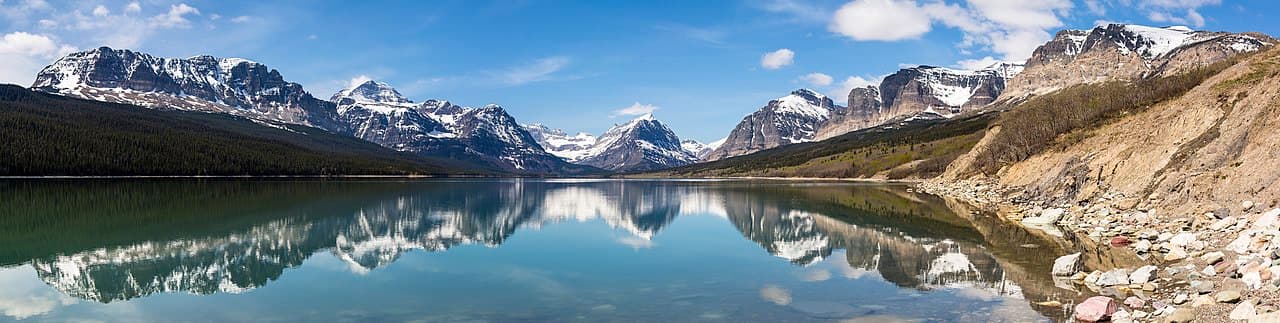
Glacier National Park preserves one of the most intact ecosystems in the temperate world. These mountains have inspired conservation efforts for over a century and remain home to grizzly bears, wolves, mountain goats, and dozens of other species.
The Experience
Standing on a windswept pass, you're surrounded by peaks that look freshly hewn from rock—because geologically, they were. Glaciers that shaped this landscape are visible on distant cirques, their retreat a reminder of change. Below, turquoise lakes fill valleys once filled with ice. You're walking through an ice age landscape still in transition.
Glacier offers countless multi-day possibilities, but two routes stand out: the Highline/Granite Park Chalet traverse and the Dawson-Pitamakan Loop. The Highline hugs the Continental Divide with constant exposure and mountain goat encounters. The Two Medicine loop circles through dramatic passes with fewer crowds. Both deliver quintessential Glacier: rugged peaks, wildlife, and that distinctive red and green argillite rock.
What to Expect
High-altitude hiking with significant elevation change
Active grizzly bear habitat requiring constant awareness
Dramatic weather changes—afternoon storms common
Designated campgrounds with food poles and bear boxes
Snow possible on passes into late July
Abundant wildlife including mountain goats, bighorn sheep, and bears
Get Glacier Backcountry Alerts
Be first to know when cancellations happen.
Permit Requirements
Backcountry permit required for all overnight stays
About 70% of wilderness campsites parkwide are open to advance reservation; the March lotteries award early access to that pool, not the permits themselves
About 30% of sites are held for walk-ups, available the day before or the day of your start — though NPS warns they will not always still be there
Bear spray tops the NPS list of items to carry on every trip into Glacier's wilderness
Food, garbage and scented items go on the provided food poles or in the provided bear boxes — bring your own durable bags and at least 25 feet of rope, which are not provided
Maximum party size is 12 and each campsite holds four people, so a party of 5-8 needs two sites and 9-12 needs three. Advance reservations are capped at 8
Wood fires are allowed in a few select wilderness campgrounds and prohibited everywhere else in the backcountry
Gear & Preparation
Required Gear
- •Bear spray (highly recommended, often required)
- •Rope for food hangs (some camps have cables)
- •Rain gear and warm layers
- •Water filter (streams are abundant)
- •Navigation tools (trail junctions can be confusing)
Recommended Gear
- •Trekking poles for steep terrain
- •Gaiters for snow crossings
- •Camera with telephoto lens for wildlife
- •Binoculars
- •Microspikes if hiking before August
Hazards & Safety
Grizzly bears—travel in groups, make noise, carry spray
Rapidly changing weather with potential for snow any month
Stream crossings can be dangerous during snowmelt
Steep terrain with significant exposure on passes
Limited cell service throughout the backcountry
Snow on passes can persist into late July
Lightning danger on exposed ridges
Best Time to Visit
Mid-July through mid-September offers the most reliable conditions. Snow clears from high passes by late July most years. September brings fall colors and fewer crowds but shorter days and colder nights.
100+ wilderness permits, extensive backcountry experience
This guide is based on personal experience obtaining wilderness permits and is regularly updated to reflect current policies and strategies.
Frequently Asked Questions
How do I get a Glacier Backcountry permit?
+
Glacier Backcountry permits require advance reservations. Book online as soon as reservations open for your desired dates.
When is the best time to visit Glacier Backcountry?
+
Mid-July through mid-September offers the most reliable conditions. Snow clears from high passes by late July most years. September brings fall colors and fewer crowds but shorter days and colder nights.
How difficult is Glacier Backcountry?
+
Experienced backpackers comfortable in grizzly country and variable mountain weather. Those who can handle sustained elevation gain and unpredictable conditions.
What gear do I need for Glacier Backcountry?
+
Essential gear includes: Bear spray (highly recommended, often required), Rope for food hangs (some camps have cables), Rain gear and warm layers, Water filter (streams are abundant), Navigation tools (trail junctions can be confusing).
Don't Miss Your Glacier Backcountry Permit
Cancellations happen every day. PermitSnag monitors Glacier Backcountry availability 24/7 and alerts you the moment a spot opens up.
Get Permit Alerts