How to Get a Denali Summit Permit
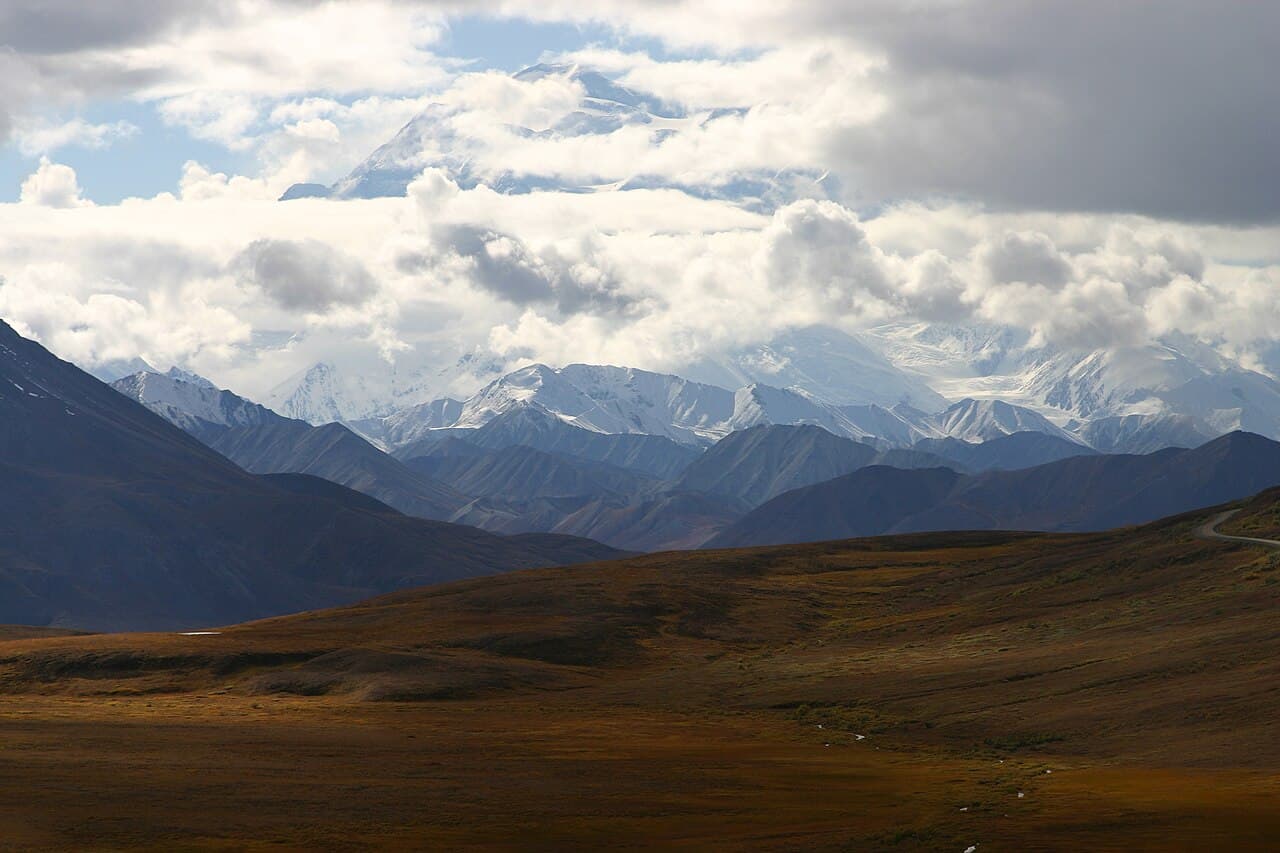
20,310 feet, three weeks on a glacier, and a summit rate that NPS says typically hovers just below 50%.
Check Denali Summit permit availability$450 mountaineering special use fee ($350 for climbers 24 and under) + $15 park entrance fee
Permit Cost
17 to 21 days
Duration
13,110'
Elevation Gain
expert
Difficulty
About Denali Summit
Denali is a registration, not a lottery. Every climber attempting Mount McKinley or Mount Foraker must register at least 60 days before their start date, and registration for the 2026 season opened January 1. It is two steps: pay the mountaineering special use fee at Pay.gov, then email a signed Application for Special Use Permit to the Talkeetna ranger station. The fee is $450 for 2026, or $350 for climbers 24 or younger on the start date, plus a $15 park entrance fee. There are two exceptions to the 60-day rule. Climbers who have physically been on McKinley or Foraker since 1995 can request a seven-day exception, and an expedition leader may add one new member up to 30 days before the start date. Every expedition also has to attend an in-person orientation at the Walter Harper Talkeetna Ranger Station, together, with photo ID. NPS uses the 60-day window deliberately: it gives mountaineering rangers time to talk to climbers, suggest routes appropriate to their experience, and pass on current conditions before anyone flies onto the glacier. The numbers, from the park's own 2025 season summary: 960 registered climbers, 922 of them (96%) on the West Buttress, a 36% summit rate for the season, and no one at all reaching the summit of Foraker. NPS notes that McKinley's summit rate typically hovers just below 50%, and attributes the lower 2025 figure to poor weather at each end of the season.
This is the highest mountain in North America and the permit is not a lottery - it is a registration. You pay a $450 special use fee, submit a signed Application for Special Use Permit at least 60 days before your start date, and attend an in-person orientation in Talkeetna before you fly onto the glacier. The gate is not luck. The gate is the 60-day clock, the ranger review, and whether your team can actually do it: in 2025, 960 climbers registered and NPS recorded a 36% summit rate.
The Experience
You land on the Kahiltna at 7,200 feet with a sled and three weeks of food. Then you spend two of those weeks moving the same loads up the mountain twice - carry high, sleep low, again and again - through some of the widest temperature swings on the planet. It can be hot enough to strip down at camp and cold enough to take fingers at 17,200. NPS has recorded winds over 100 mph at the 14,200-foot camp.
Almost everyone climbs the West Buttress. In 2025, 922 of 960 registered climbers - 96% - went that way, with the Cassin Ridge (20), West Rib (12), Messner Couloir (3), South Face (2) and Orient Express (1) taking the rest.
The route starts at the Kahiltna Glacier basecamp at 7,200 feet and works up through a series of camps. Most climbers leave skis or snowshoes at Camp 3 at 11,200 feet and put crampons on from there. The 14,200-foot camp is the acclimatisation hub and the ranger camp. Above it, the steepest part of the route is the headwall, which is protected by fixed lines.
High Camp is 17,200 feet. From there the Autobahn climbs to Denali Pass at 18,200 feet - a slope that ranges from deep avalanche-prone snow to hard ice and which NPS says has been the scene of more fatalities than any other part of the mountain. Above the pass comes Zebra Rocks, Pig Hill, and the summit ridge to 20,310 feet.
What to Expect
Registration at least 60 days before your start date - no lottery, but a hard deadline
A two-step process: fee payment at Pay.gov, then a signed Application for Special Use Permit by email
An in-person team orientation at the Walter Harper Talkeetna Ranger Station before you fly
17 to 21 days round trip on average, with 15 to 18 days common given good weather and a couple of rest days
7,200 feet at basecamp to 20,310 feet at the summit
Double-carrying loads: carry high, sleep low, repeat
A Clean Mountain Can and degradable bags issued at check-in for human waste, at no extra cost
Peak season late May through early June, when 500-600 climbers can be on the West Buttress
Get Denali Summit Alerts
Be first to know when cancellations happen.
Permit Requirements
Registration required at least 60 days before the start date for Mount McKinley or Mount Foraker
Two-step registration: fee payment via Pay.gov, then a signed Application for Special Use Permit emailed to the Talkeetna office
$450 mountaineering special use fee for 2026; $350 for climbers 24 or younger on the start date
$15 park entrance fee per climber, waived with an Interagency or Denali Annual pass
All expedition members must attend the in-person orientation together, with government-issued photo ID
Every expedition is issued a Clean Mountain Can and degradable bags and must remove human waste
Registration is complete only when every team member has paid and filed a signed application and the leader has an assigned orientation time
If you cancel before February 15 all but $100 of the fee is refunded; after February 15 there is no refund and the fee cannot be carried to a future season
Guided climbers must use one of the seven guide concessions authorised by the park
Gear & Preparation
Required Gear
- •Systems rated for below -40°F, 100 mph winds, heavy snowfall, freezing rain and blazing sun - for weeks at a time
- •Full glacier travel kit: rope, harness, crevasse rescue gear, and the practised ability to use it
- •Crampons and ice axe for snow and ice up to about 40 degrees
- •Skis or snowshoes for the lower glacier; most climbers leave them at Camp 3 at 11,200 feet
- •A sled - you will be pulling 60-80 lb behind a 40-70 lb pack
- •FRS radio; channel 1 is monitored for emergencies and the nightly weather goes out on it at 7:00 pm
- •Satellite phone, InReach, PLB or similar - cell phones do not work on the mountain
- •Stove and fuel for a multi-week expedition; most parties of 3-5 use white gas
Recommended Gear
- •Snow saw and shovel for building camp walls - wind is the biggest threat to a camp here
- •Spare goggles and mitts; frostbite is what ends most summit bids that weather does not
- •Overboots for the upper mountain
- •Rope protection for the Autobahn, Zebra Rocks, Pig Hill and the summit ridge - NPS expects teams to place their own above 17,200 feet
- •Food you will still want to eat on day 18
Hazards & Safety
The Autobahn between High Camp and Denali Pass, which NPS says has been the scene of more fatalities than any other part of the mountain
Extensive, heavily crevassed glacier travel from the moment the plane leaves
Wind - NPS calls it perhaps the biggest danger on the mountain, with over 100 mph recorded at 14,200 feet
Cold below -35°F at the higher camps, and wind chill that accelerates frostbite even in mild temperatures
Altitude illness; NPS advice is not to gain more than 1,000 feet of sleeping elevation per day above 10,000 feet
Avalanche on the Autobahn when it loads with deep snow
No cell coverage, and rescue in the Alaska Range is weather-dependent
Best Time to Visit
The season runs spring into midsummer, with peak traffic late May through early June - that is when the West Buttress can hold 500 to 600 climbers and both the 14,200-foot camp and High Camp fill up. NPS says early season, late April to early May, tends to bring more high-pressure days if you can accept colder temperatures, and that as June warms up, clouds become more common and push precipitation higher on the mountain. Their own honest answer on which weeks have the best weather is that your crystal ball is as good as theirs.
Pro Tips
Work backwards from the 60-day deadline, not from your flight. Registration is not complete until every member has paid and filed a signed application and the leader has an orientation time.
February 15 is the money date. Cancel before it and you lose $100; after it you lose the lot, and it cannot roll to next season.
The whole team checks in together in Talkeetna with photo ID. Four orientation slots a day, assigned first-come first-served - build a spare day into the plan.
Budget 21 to 28 days if you actually want the summit. NPS is explicit that the teams who wait out weather are the teams that give themselves the days to do it.
Do not ascend more than 1,000 feet of sleeping elevation a day above 10,000 feet, and drink 4 to 6 litres daily. That is the park's own acclimatisation guidance.
Practise crevasse rescue as a team before you go. Glacier travel starts the moment the ski plane leaves and does not stop.
100+ wilderness permits, extensive backcountry experience
This guide is based on personal experience obtaining wilderness permits and is regularly updated to reflect current policies and strategies.
Frequently Asked Questions
How do I get a Denali Summit permit?
+
Denali Summit permits require advance reservations. Book online as soon as reservations open for your desired dates.
When is the best time to visit Denali Summit?
+
The season runs spring into midsummer, with peak traffic late May through early June - that is when the West Buttress can hold 500 to 600 climbers and both the 14,200-foot camp and High Camp fill up. NPS says early season, late April to early May, tends to bring more high-pressure days if you can accept colder temperatures, and that as June warms up, clouds become more common and push precipitation higher on the mountain. Their own honest answer on which weeks have the best weather is that your crystal ball is as good as theirs.
How difficult is Denali Summit?
+
Climbers with multiple glaciated ascents behind them - the Cascades, the Alps, South America or Asia - who are fluent in glacier travel, route finding and crevasse rescue, and who have camped in arctic conditions. NPS treats winter camping experience as effectively mandatory.
What gear do I need for Denali Summit?
+
Essential gear includes: Systems rated for below -40°F, 100 mph winds, heavy snowfall, freezing rain and blazing sun - for weeks at a time, Full glacier travel kit: rope, harness, crevasse rescue gear, and the practised ability to use it, Crampons and ice axe for snow and ice up to about 40 degrees, Skis or snowshoes for the lower glacier; most climbers leave them at Camp 3 at 11,200 feet, A sled - you will be pulling 60-80 lb behind a 40-70 lb pack. Additional specialized gear may be required based on conditions.
Don't Miss Your Denali Summit Permit
Cancellations happen every day. PermitSnag monitors Denali Summit availability 24/7 and alerts you the moment a spot opens up.
Get Permit Alerts