Overnight Permit: Route and Dates
Overnight permits are booked by advance reservation in Central Cascades Wilderness.
One permit covers every overnight trip in three Oregon wildernesses — but the quota is counted at the trailhead you walk in from, not at the wilderness boundary.
This guide covers the Central Cascades Overnight permit.
$6.00 non-refundable reservation fee per overnight permit
Permit Cost
Up to you — the permit records how many nights and which trailhead you enter from
Duration
About Overnight
The Central Cascades Wilderness Overnight Permit covers all overnight use of the Mt. Jefferson, Mt. Washington and Three Sisters wildernesses between June 15 and October 15. Quota is by group, based on entry date and entry trailhead, and each trailhead carries its own daily number. Two release waves decide whether you get one. Reservations open on the first Tuesday in April, when roughly 40% of each day's quota at each trailhead becomes available. The remaining 60% is released seven days before the trip start. You can hold three permits at a time; once a date passes or a permit is cancelled you can book another. Groups can be up to 12 people. The trip leader or alternate has to carry the permit, and the alternate can only be added during checkout — not afterwards. The reservation fee is $6.00 per permit and is not refundable, but the permit itself can be cancelled at any time before it is printed, and the Forest Service asks you to do exactly that if your plans change so the quota goes back into the pool.
Mt. Jefferson, Mt. Washington and Three Sisters sit inside easy driving distance of most of Oregon's population, and the summer window after the snow goes is short. The Forest Service built the overnight permit around that: quota by group, per entry date and per entry trailhead, so the pressure spreads out instead of piling onto five famous parking lots.
The Overnight route
- Trip length
- Up to you — the permit records how many nights and which trailhead you enter from
Mt. Jefferson, Mt. Washington and Three Sisters Wildernesses, Oregon Central Cascades
Overnight permit detailsandAll Central Cascades Wilderness permits
The Experience
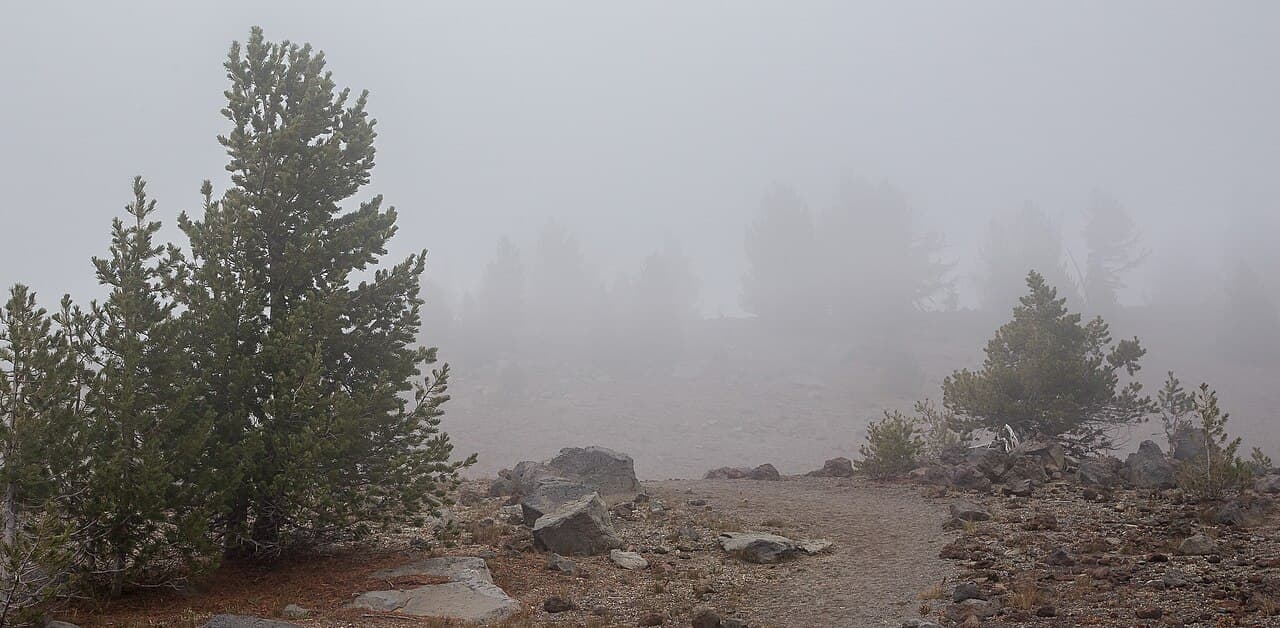
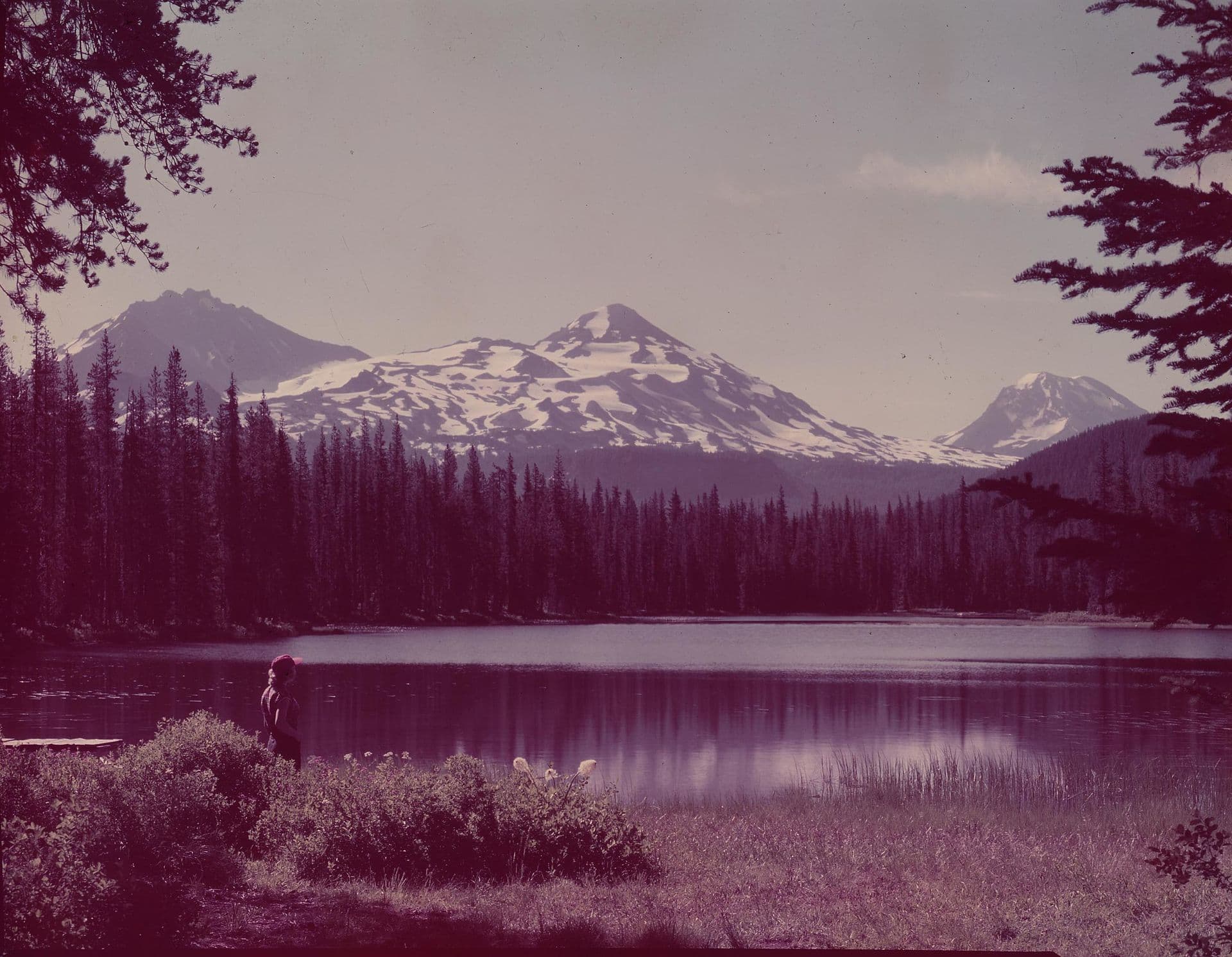
Old growth, young lava, and glacier-fed water in the same afternoon. Crystal streams, wildflower meadows and rugged mountain views, in the Forest Service's own summary — and past the first few miles from a trailhead, very few people.
The trip starts at whichever trailhead you reserved. Quota is assigned per trailhead, so the practical planning question is not "where do I want to camp" but "which door has space on my date".
After that you have three wildernesses and the length of stay recorded on your permit. There are no facilities inside any of them: no toilets, no piped water, nothing to pack out your trash. Campfires are prohibited above 5,700 feet and at additional lower-elevation destinations the Forest Service maps out.
What to Expect
Quota counted per entry trailhead per entry date — not across the wilderness as a whole
A two-stage release: ~40% on the first Tuesday in April, ~60% seven days out
A maximum of three permits held at one time
No facilities inside the wilderness — no toilets, no piped water, no trash service
Campfires prohibited above 5,700 feet and at additional lower-elevation spots shown on the permit-area maps
Get Overnight Alerts
Be first to know when cancellations happen.
Permit Requirements
Overnight permits are required for all overnight use of the three wildernesses from June 15 through October 15
Overnight permits are not valid for day use; day-use permits are not needed in addition to an overnight permit
Groups can be up to 12 people
The trip leader or alternate trip leader must carry the permit; alternates can only be added during checkout
Permits are non-transferable and can be changed only before they are printed — changing the entry date means cancelling and rebooking
Campfires are not allowed above 5,700 feet and at additional lower-elevation destinations
Pack out all trash and dispose of human and pet waste properly — there are no facilities
PCTA 500-mile long-distance permit holders and licensed Oregon big-game hunters in season are exempt
Gear & Preparation
Required Gear
- •A printed or digital copy of the permit, carried by the trip leader or the named alternate
- •A stove — campfires are banned above 5,700 feet and at additional mapped locations
- •Water treatment and a way to carry enough between sources
- •A detailed map; the Forest Service asks hikers and equestrians to carry one and to check conditions ahead
- •A wag bag or trowel, because there is nothing out there
Recommended Gear
- •Traction for lingering snow if you are out before mid-July
- •Bug protection through July
- •Enough layers for a genuinely cold night at elevation even in August
Hazards & Safety
Snow into late June on the high trails, and on some approaches later than that
Burned-area travel. The Forest Service is explicit that risk is higher in burned areas — falling trees and unstable ground, with no warning
Afternoon thunderstorms over open lava and alpine terrain with no shelter
No water at most trailheads and no restrooms anywhere inside the wilderness
Best Time to Visit
The permit season is June 15 to October 15 and snow decides the front end of it — some trails hold snow into late June and some access roads open later still. Late July through mid-September is the dependable stretch. Late September is the quietest and often the clearest, at the cost of short days and a real chance of early snow.
Pro Tips
Reservations open the first Tuesday in April with about 40% of each trailhead's daily quota — the other 60% lands seven days before the trip
You can only hold three permits at once, so plan the group's bookings around that
Add your alternate trip leader during checkout. There is no way to add one later
Cancel if your plans change: permits can be cancelled any time before they are printed, and the quota goes back into the pool
Broken Top and Crater Ditch may not be drivable until late July or early August, and those roads need 4WD with high clearance
100+ wilderness permits, extensive backcountry experience
This guide is based on personal experience obtaining wilderness permits and is regularly updated to reflect current policies and strategies.
Frequently Asked Questions
How do I get a Overnight permit?
+
Overnight permits require advance reservations. Book online as soon as reservations open for your desired dates.
When is the best time to visit Overnight?
+
The permit season is June 15 to October 15 and snow decides the front end of it — some trails hold snow into late June and some access roads open later still. Late July through mid-September is the dependable stretch. Late September is the quietest and often the clearest, at the cost of short days and a real chance of early snow.
How difficult is the Overnight route?
+
Backpackers who can pick an entry trailhead first and build the route around it, and who can be online on the first Tuesday in April.
What gear do I need for the Overnight route?
+
Essential gear includes: A printed or digital copy of the permit, carried by the trip leader or the named alternate, A stove — campfires are banned above 5,700 feet and at additional mapped locations, Water treatment and a way to carry enough between sources, A detailed map; the Forest Service asks hikers and equestrians to carry one and to check conditions ahead, A wag bag or trowel, because there is nothing out there.
Don't Miss Your Overnight Permit
Cancellations happen every day. PermitSnag monitors Overnight availability 24/7 and alerts you the moment a spot opens up.
Get Permit Alerts