Primitive Beach Permit: Route and Dates
Primitive Beach permits are first-come, first-served in Sand Hollow State Park.
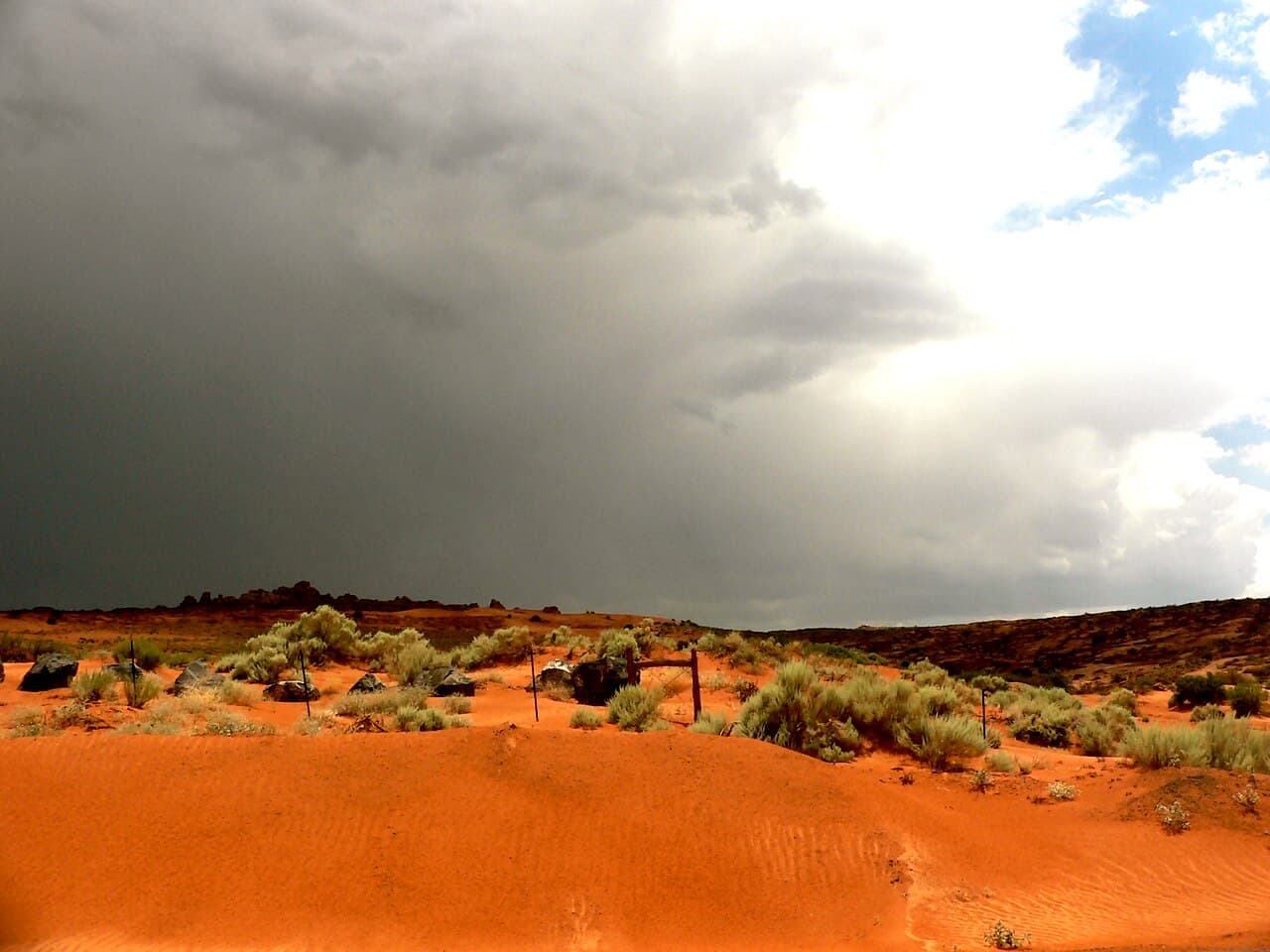
Red sand running straight into blue water 15 minutes from St. George, with primitive sites you park on rather than book into a numbered slot.
This guide covers the Primitive Beach Camping permit.
$30 per night for one vehicle. No extra vehicles are allowed for primitive camping. Showers are $4 per person, once daily. Day-use entry is $25 per vehicle for Utah residents and $35 for non-residents.
Permit Cost
1-3 nights
Duration
easy
Difficulty
About Primitive Beach
Sand Hollow State Park runs primitive camping as its own class of site alongside four developed campgrounds. The park's fee page states it plainly: limited availability, reservations preferred, $30 per night for one vehicle, and no extra vehicles allowed for primitive camping at all. That last rule matters more than the price. Sand Hollow's general camping rules allow one camping unit and a maximum of eight people per campsite, and only one vehicle per campsite, and the developed campgrounds sell an extra-vehicle slot for $30. Primitive camping does not. A party arriving in two cars needs two sites or a different campground. The developed campgrounds - Westside, Sandpit, Beachside and Lakeview - have fire pits, tables and access to restrooms with showers. Primitive campers pay $4 per person for a shower. Note also that Beachside's full-hookup sites are non-reservable, which is a separate first-come pool from the primitive area. The park is open year-round: 6 a.m. to 10 p.m. in summer and 7 a.m. to 9 p.m. in winter, with reduced hours on Thanksgiving, Christmas Eve and Christmas Day.
Sand Hollow is the busiest state park in Utah's southwest corner because it does something no other park nearby does: warm reservoir water against Navajo sandstone, with Sand Mountain's dunes on the far side for off-highway vehicles. The primitive camping is the cheap end of that, and the park's own fee page is blunt about the constraint - limited availability, reservations preferred. There is no big overflow field behind it.
The Primitive Beach route
- Trip length
- 1-3 nights
- Difficulty
- easy
Southwest Utah. Nearest town: Hurricane
Points along the route
- Sand Hollow Reservoir
- Sand Mountain
- Visitor center
Primitive Beach permit detailsandAll Sand Hollow State Park permits
The Experience
The water at Sand Hollow is a strange colour against the rock, closer to the Caribbean than to southern Utah, and it stays warm well past when you would expect. Primitive camping puts you on the ground near the shoreline with no hookups and no shade structure, so it is a tent-and-a-cooler proposition. The dunes on Sand Mountain rumble with OHVs by day and go silent at dark.
This is a drive-to stay, not a hike. The park sits off State Route 9 east of Hurricane, roughly 15 miles from St. George. Primitive camping is separate inventory from the four developed campgrounds - Westside, Sandpit, Beachside and Lakeview all have fire pits, tables and access to restrooms with showers, while the primitive sites do not carry the same amenities and are priced at $30 rather than $35 to $55. Only one vehicle is allowed per primitive site, with no extra-vehicle option at all, which is the rule most likely to catch a group arriving in two cars.
What to Expect
A $30 per-night primitive site covering exactly one vehicle, with no extra-vehicle option
A maximum of eight people and one camping unit per site, per the park's general camping rules
Showers at $4 per person, once daily, since they are not bundled the way they are for the developed campgrounds
Warm reservoir water - the park notes swimmer's itch is active when the lake is over 65 degrees
OHV traffic to and from Sand Mountain, which is a major draw at this park
Year-round hours: 6 a.m. to 10 p.m. summer, 7 a.m. to 9 p.m. winter
Get Primitive Beach Alerts
Be first to know when cancellations happen.
Permit Requirements
Unless otherwise noted on your confirmation, one camping unit and a maximum of eight people are allowed per campsite
A camping unit is one tent, one trailer or one camper - not a combination or multiple of the above
Only one vehicle is allowed per campsite; a vehicle and attached in-tow equipment counts as one vehicle
No extra vehicles are allowed for primitive camping
A drone permit is required to fly within the state park and costs $15 for a five-day permit; violators are subject to citation
If you stay in the park after day-use hours you need a campsite or an after-hours fishing permit, or you risk a citation
Gear & Preparation
Required Gear
- •Your own shade. Primitive sites are not the shaded, tabled sites of the developed campgrounds
- •Plenty of drinking water for a southern Utah summer
- •A camp stove or grill, plus whatever fuel it takes - do not count on a fire ring at a primitive site
- •Sun protection: this is open reservoir shoreline at low desert elevation
- •A life jacket if you are on the water, or borrow one free from the visitor center
Hazards & Safety
Summer heat in the St. George area, on open shoreline with little shade
Swimmer's itch, which the park says is active when the lake water is over 65 degrees
Harmful algae: the park posts separate mat and bloom advisories, so check its current conditions page before swimming
OHV traffic moving between the campgrounds and Sand Mountain
Sudden afternoon wind on the reservoir, which turns a flat lake choppy fast
Best Time to Visit
Spring and fall are the comfortable months here. Summer is when the reservoir is at its best and the campground at its most contested, and it is also when heat and algae advisories matter most. Winter camping is quiet and cheap, with the park on reduced 7 a.m. to 9 p.m. hours.
Pro Tips
Book through ReserveAmerica or call 1-800-322-3770. Utah State Parks does not use Recreation.gov.
Come in one vehicle. The no-extra-vehicle rule on primitive sites has no exception fee attached to it.
Budget $4 a head for a shower - primitive campers pay for them, developed-campground campers do not.
Check the park's harmful algae advisories before anyone gets in the water. It runs separate mat and bloom warnings.
Borrow life jackets free at the visitor center rather than hauling your own.
Buy ice at the visitor center or the OHV parking lot instead of stopping in Hurricane.
If primitive is gone, look at Beachside - its full-hookup sites are non-reservable, so they turn over on a different clock.
100+ wilderness permits, extensive backcountry experience
This guide is based on personal experience obtaining wilderness permits and is regularly updated to reflect current policies and strategies.
Frequently Asked Questions
How do I get a Primitive Beach permit?
+
Primitive Beach permits are available first-come, first-served. They can be booked online when they become available. Popular dates fill quickly.
When is the best time to visit Primitive Beach?
+
Spring and fall are the comfortable months here. Summer is when the reservoir is at its best and the campground at its most contested, and it is also when heat and algae advisories matter most. Winter camping is quiet and cheap, with the park on reduced 7 a.m. to 9 p.m. hours.
How difficult is the Primitive Beach route?
+
Anyone who wants warm water and red rock without paying developed-campground rates, and who is arriving in one vehicle.
What gear do I need for the Primitive Beach route?
+
Essential gear includes: Your own shade. Primitive sites are not the shaded, tabled sites of the developed campgrounds, Plenty of drinking water for a southern Utah summer, A camp stove or grill, plus whatever fuel it takes - do not count on a fire ring at a primitive site, Sun protection: this is open reservoir shoreline at low desert elevation, A life jacket if you are on the water, or borrow one free from the visitor center.
Don't Miss Your Primitive Beach Permit
Cancellations happen every day. PermitSnag monitors Primitive Beach availability 24/7 and alerts you the moment a spot opens up.
Get Permit Alerts