South Rim Loop Permit: Route and Dates
South Rim Loop permits are first-come, first-served in Big Bend National Park. The route covers 12.5 miles.
A 12.5-mile loop to a 2,000-foot escarpment over the Chihuahuan Desert, with 42 designated campsites in the high country and not one reliable water source among them.
This guide covers the South Rim Loop permit.
$10 per night for overnight backcountry use, or $5 with a Senior or Access pass.
Permit Cost
6 to 7 hours
Duration
12.5 miles
Distance
1,700'
Elevation Gain
strenuous
Difficulty
About South Rim Loop
A backcountry permit is required for all backcountry camping in Big Bend National Park, at $10 per night for overnight use, or $5 with a Senior or Access pass. How you get one depends on the date, and this catches people out. Permits for Chisos Mountains backpacking campsites are available online through Recreation.gov from November 1 to April 15. From April 16 to October 31 - which includes all of summer - Chisos backpacking permits can only be obtained in person at visitor centers, up to 24 hours in advance. An older park page still describes a flat 180-day online window; the April 2026 page with the seasonal split is the newer one. The high country holds 42 designated backpacking campsites divided into 14 campsite areas, with distances varying from one to eight miles each way. Each site has one or more cleared tent spots and one or more animal-proof food storage boxes. Party size across the park may not exceed 15 people. Campers at the South Rim (SR) and East Rim (ER) sites must pack out human waste using a landfill-safe commercial toilet bag system. Ground fires and wood fires are prohibited throughout Big Bend, and in the High Chisos you use containerized fuel stoves only. Water is the whole planning problem. The park recommends carrying a minimum of one gallon of water per person per day in summer, slightly less in winter, and at least 2 quarts per person for half-day hikes; its South Rim Trail page puts it as one litre per person per hour of hiking. On Boot Spring it is unusually blunt: regardless of what you may have heard, Boot Spring is unreliable and usually dry. It adds that water in the Chisos may be abundant following summer rains, but for much of the year the same locations may be dry or hold stagnant water not suitable for filtering. One correction worth making explicitly. The park's seasonal peregrine falcon closure applies to the East Rim - a portion of the East Rim Trail from the southern junction of the Boot Canyon Trail to a point just north of campsite ER-4, plus campsites ER-4 through ER-9 - and runs February 1 to May 31 each year. For 2026 it is not in effect: the park states that due to a lack of evidence of nesting by peregrine falcons, the East Rim Trail and campsites will remain open for the 2026 season. The South Rim loop itself is 12.5 miles with 1,700 feet of elevation change and a 6-to-7-hour estimate from the Chisos Basin. We do not publish a best-season recommendation because the park does not make one - the November 1 to April 15 online window is a permit window, not a season.
The South Rim is the best walking in Texas and the campsites strung along it are the only way to see sunrise from that escarpment. It is also the trip most often underestimated: the park says outright that Boot Spring, the one water source people plan around, is unreliable and usually dry.
The South Rim Loop
- Distance
- 12.5 miles
- Route type
- loop
- Elevation gain
- 1,700 ft
- Trip length
- 6 to 7 hours
- Difficulty
- strenuous
Entry points: Chisos Basin Trailhead, Blue Creek Trail, Juniper Canyon Trail, Panther Junction Visitor Center
Chihuahuan Desert. Nearest town: Terlingua, TX
Points along the route
- Chisos Basin TrailheadMile 0, 5,371 ft
- Boot SpringMile 4.24, 6,836 ft
- East RimMile 5.93, 7,447 ft
- South RimMile 5.95, 7,343 ft
South Rim Loop permit detailsandAll Big Bend National Park permits
The Experience
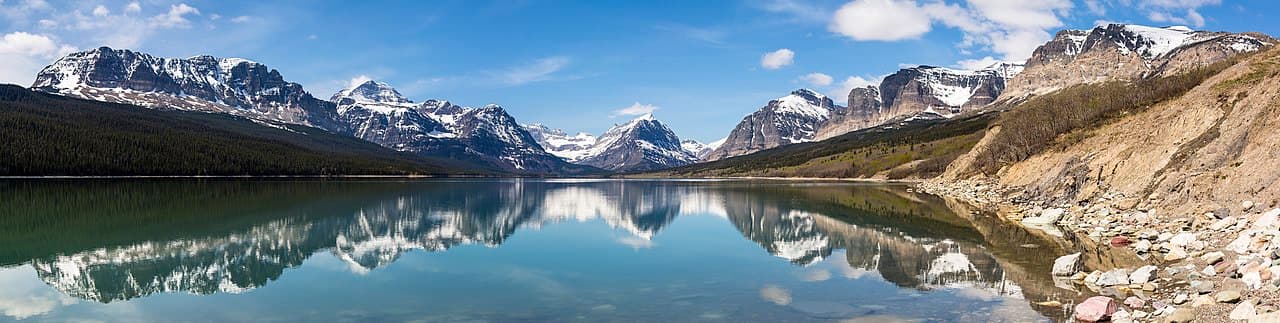
Oak and juniper in Boot Canyon, then the ground simply stops and you are standing on the edge of a 2,000-foot drop with Mexico filling the horizon. Nights are cold at 7,000 feet, even in a desert.
The park publishes the South Rim loop at 12.5 miles round trip with 1,700 feet of elevation change - its word, change, not gain - and 6 to 7 hours, starting near the Chisos Basin parking lot.
Camping is at 42 designated backpacking campsites divided into 14 campsite areas along the trail system in the High Chisos Mountains, with distances varying from one to eight miles each way. Each has one or more cleared tent spots and one or more animal-proof food storage boxes. Campers at the South Rim (SR) and East Rim (ER) sites must pack out human waste using a landfill-safe commercial toilet bag system.
What to Expect
$10 per night for overnight backcountry use, or $5 with a Senior or Access pass
Online permits only from November 1 to April 15; in person only, 24 hours ahead, from April 16 to October 31
42 designated backpacking campsites in 14 areas, one to eight miles from the trailhead
Cleared tent spots and animal-proof food storage boxes at each site
Pack-out toilet bag systems required at all South Rim and East Rim sites
No water in the high country you can rely on - Boot Spring is usually dry
The peregrine falcon closure is suspended for 2026; the East Rim is open
Get South Rim Loop Alerts
Be first to know when cancellations happen.
Permit Requirements
A backcountry permit is required for ALL backcountry camping in Big Bend National Park
Chisos backpacking permits are online November 1 to April 15, and in person only April 16 to October 31, up to 24 hours in advance
An organized group or individual party may not exceed a 15 person limit
Campers at South Rim (SR) and East Rim (ER) campsites must pack out human waste using a landfill-safe commercial toilet bag system
Ground fires and wood fires are prohibited in Big Bend; use containerized fuel stoves only in the High Chisos
All food, water, food products, food trash, unclean cooking utensils and other aromatic items must be stored in a hard-sided vehicle or, where provided, a bear resistant storage locker
The East Rim seasonal closure runs February 1 to May 31 in years it is imposed; it is not in effect for 2026
Gear & Preparation
Required Gear
- •Water. The park recommends a minimum of one gallon per person per day in summer, slightly less in winter
- •A landfill-safe commercial toilet bag system for South Rim and East Rim sites
- •A containerized fuel stove - wood and ground fires are prohibited park-wide
- •Sun protection for exposed desert ridgeline
- •Warm layers; the Chisos high country gets genuinely cold at night
Recommended Gear
- •Extra water capacity beyond the daily minimum, in case a source you hoped for is dry
- •A filter, for the rare occasions there is something to filter
- •Trekking poles for the descent back into the Basin
- •A headlamp for early starts in the heat
Hazards & Safety
No reliable water. Boot Spring is unreliable and usually dry, in the park's own words, and other Chisos sources may be dry or stagnant and unsuitable for filtering
Heat, at a park where a gallon per person per day is the published minimum
Long distances to help - sites sit one to eight miles from the trailhead in country with no water
Cold nights at elevation, which surprise people who packed for a desert
Mountain lions and black bears, which is why the food storage rule is written the way it is
Best Time to Visit
The park publishes no best-season recommendation for the Chisos high country, so we are not going to invent one. What it does publish is the permit structure: online through Recreation.gov from November 1 to April 15, and in person only, up to 24 hours ahead, from April 16 to October 31. Note that the online window is a permit window and not a statement about conditions.
Pro Tips
Check the calendar before you plan a booking. Online permits exist only from November 1 to April 15; the rest of the year you show up in person, at most 24 hours ahead.
Carry all your water. The park says Boot Spring is unreliable and usually dry - treat the high country as having none.
A gallon per person per day is the park's published summer minimum. Work out the weight before you commit to a two-night trip.
Buy the toilet bag system in advance. It is required at every South Rim and East Rim site and is not something you can improvise.
The East Rim is open in 2026 - the usual February-to-May peregrine closure was not imposed this year.
100+ wilderness permits, extensive backcountry experience
This guide is based on personal experience obtaining wilderness permits and is regularly updated to reflect current policies and strategies.
Frequently Asked Questions
How do I get a South Rim Loop permit?
+
South Rim Loop permits are available first-come, first-served. They can be booked online when they become available. Popular dates fill quickly.
When is the best time to visit South Rim Loop?
+
The park publishes no best-season recommendation for the Chisos high country, so we are not going to invent one. What it does publish is the permit structure: online through Recreation.gov from November 1 to April 15, and in person only, up to 24 hours ahead, from April 16 to October 31. Note that the online window is a permit window and not a statement about conditions.
How long is the South Rim Loop route?
+
The route is 12.5 miles, as a loop. Plan on 6 to 7 hours.
How difficult is the South Rim Loop route?
+
Backpackers who will carry every drop of water they need and are comfortable in remote desert mountains.
Where does the South Rim Loop route start?
+
The permit covers 4 entry points: Chisos Basin Trailhead, Blue Creek Trail, Juniper Canyon Trail.
What gear do I need for the South Rim Loop route?
+
Essential gear includes: Water. The park recommends a minimum of one gallon per person per day in summer, slightly less in winter, A landfill-safe commercial toilet bag system for South Rim and East Rim sites, A containerized fuel stove - wood and ground fires are prohibited park-wide, Sun protection for exposed desert ridgeline, Warm layers; the Chisos high country gets genuinely cold at night.
Don't Miss Your South Rim Loop Permit
Cancellations happen every day. PermitSnag monitors South Rim Loop availability 24/7 and alerts you the moment a spot opens up.
Get Permit Alerts