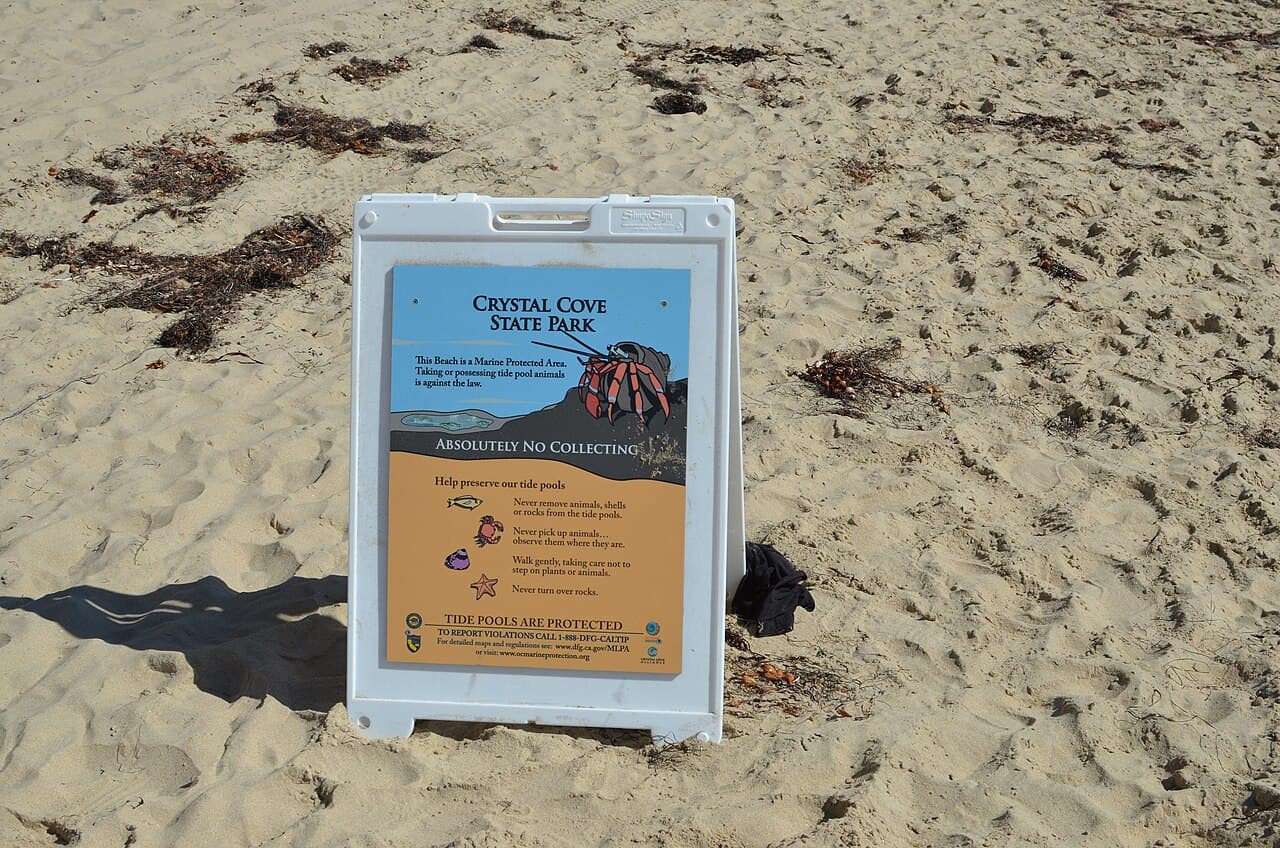
Upper Moro Campground Permit: Route and Dates
Upper Moro Campground permits are booked by advance reservation in Crystal Cove State Park. The route covers 3 miles.
Thirteen hike-in sites higher up Moro Canyon - the biggest of Crystal Cove's three primitive campgrounds, and the one with the ridge views.
This guide covers the Upper Moro campground.
Nightly rates are set in ReserveCalifornia at booking. Reservations go through ReserveCalifornia, six months in advance beginning at 8:00 a.m. Pacific.
Permit Cost
1-7 nights
Duration
3 miles
Distance
moderate
Difficulty
About Upper Moro Campground
Upper Moro Campground is one of three primitive hike-in campgrounds in the Moro Canyon backcountry at Crystal Cove State Park. ReserveCalifornia lists 13 sites here, coded as hike-in primitive campsites #01 through #013, with a maximum stay of seven nights. The approach is the defining feature. California State Parks describes it plainly: after checking in at the Moro Canyon kiosk, campers must hike inland approximately three miles, mostly uphill, and the trail is strenuous at times and in the opposite direction of the beach. All supplies must be packed in, including water, and packed out. What you get at the site is a picnic table and a pit toilet. What you do not get is drinking water, trash cans, or the option of a fire - fires are restricted to backpack stoves, and wood and charcoal fires are not permitted anywhere in the park. Cellular service is limited. Sites are only accessible by foot or bicycle, and vehicles must be left in the parking lot. No pets are allowed. The Moro Canyon backcountry covers 2,400 undeveloped acres of fire roads and single-track open to hiking, biking and equestrian use, with maps at the Ranger Station. Trails are open 6 a.m. to sunset, and pets are not allowed in the backcountry. Reservations go through ReserveCalifornia, which California State Parks takes six months in advance beginning at 8:00 a.m. Pacific, online, by mail, or on 1-800-444-7275. This is a state park, so it is not on Recreation.gov.
Upper Moro is the largest of the three primitive campgrounds at Crystal Cove, which makes it the most realistic booking in a park where every one of these sites is fought over. It also sits higher in the canyon than Lower Moro, which is what you are paying for in extra climbing: more of the ocean, more of the ridge, less of the road.
The Upper Moro Campground route
- Distance
- 3 miles
- Route type
- out-and-back
- Trip length
- 1-7 nights
- Difficulty
- moderate
Starts at Moro Canyon entrance (Moro Campground kiosk)
Orange County Coast. Nearest town: Laguna Beach
Points along the route
- Moro Canyon kiosk
- Moro Canyon backcountry
- Deer Canyon Campground
- Crystal Cove Historic District
Upper Moro Campground permit detailsandAll Crystal Cove State Park permits
The Experience
Higher in the canyon the sage scrub opens out and you start getting the long view back down to the water. It is completely quiet after sunset because the trails close then, and on a clear evening you can see Catalina sitting out past the coastline you walked away from.
Check in at the Moro Canyon kiosk and leave your vehicle in the parking lot. The hike is approximately three miles inland, mostly uphill, and strenuous at times. Upper Moro sits above Lower Moro on the way up the canyon, with ReserveCalifornia listing 13 sites numbered 01 through 013 and a maximum stay of seven nights. Deer Canyon, the smallest and furthest of the three, is beyond it.
What to Expect
13 hike-in primitive campsites, coded #01 through #013
A roughly three-mile hike inland from the Moro Canyon kiosk, mostly uphill and strenuous at times
A picnic table and a pit toilet at the site
No drinking water and no trash cans
A maximum stay of seven nights
Backpack stoves only - no wood or charcoal fires anywhere in the park
Limited cellular service
Get Upper Moro Campground Alerts
Be first to know when cancellations happen.
Permit Requirements
Sites are only accessible by foot or bicycle - vehicles must be left in the parking lot
Check in at the Moro Canyon kiosk before hiking in
No pets are allowed at the primitive campgrounds, and pets are not allowed in the backcountry at all
Fires are restricted to backpack stoves; wood and charcoal fires are not permitted anywhere in the park
All supplies must be packed in, including water, and packed out - there are no trash cans
Backcountry trails are open from 6 a.m. until sunset
Stay on designated trails; trails may be closed for inclement weather or public safety
Gear & Preparation
Required Gear
- •All your water. The park states there is no drinking water available at the primitive sites
- •A backpacking stove, because fires are restricted to backpack stoves and no wood or charcoal is permitted anywhere in the park
- •Bags to carry out all your rubbish - there are no trash cans
- •Sun protection for an exposed, mostly uphill approach
- •A headlamp, since trails close at sunset and the walk back is three miles
Hazards & Safety
No drinking water at any of the primitive campgrounds - every drop is carried in
A roughly three-mile hike inland, mostly uphill and strenuous at times, with a full pack
Southern California heat on coastal sage scrub with very little shade
Limited cellular service in the canyon
Rattlesnakes and ticks in the backcountry, which is normal for Orange County chaparral
Best Time to Visit
Autumn and spring. The approach is three miles uphill in coastal sage scrub with almost no shade, which makes summer afternoons the wrong time to be carrying all your water. Winter is mild and the easiest season to book, but trails may be closed for inclement weather. Because ReserveCalifornia opens six months out, an October trip means booking in April.
Pro Tips
Set an alarm for 8:00 a.m. Pacific exactly six months out. These are small campgrounds in the middle of Orange County.
Weigh your water before you leave the car. Three miles uphill with a full carry is the whole difficulty of this trip.
Carry a rubbish bag. There are no trash cans at any of the primitive sites.
Bring a backpack stove and nothing else - wood and charcoal fires are banned parkwide, not just at camp.
Check in at the Moro Canyon kiosk first. This is not a self-register trailhead.
Plan to be back on the trails inside the 6 a.m. to sunset window; they close at sunset.
Leave the dog at home. No pets at the campgrounds and none in the backcountry either.
100+ wilderness permits, extensive backcountry experience
This guide is based on personal experience obtaining wilderness permits and is regularly updated to reflect current policies and strategies.
Frequently Asked Questions
How do I get a Upper Moro Campground permit?
+
Upper Moro Campground permits require advance reservations. Book online as soon as reservations open for your desired dates.
When is the best time to visit Upper Moro Campground?
+
Autumn and spring. The approach is three miles uphill in coastal sage scrub with almost no shade, which makes summer afternoons the wrong time to be carrying all your water. Winter is mild and the easiest season to book, but trails may be closed for inclement weather. Because ReserveCalifornia opens six months out, an October trip means booking in April.
How long is the Upper Moro Campground route?
+
The route is 3 miles, as an out-and-back. Plan on 1-7 nights.
How difficult is the Upper Moro Campground route?
+
Anyone who wants a genuine backpacking overnight in Orange County, and is willing to carry every drop of water three miles uphill.
Where does the Upper Moro Campground route start?
+
Moro Canyon entrance (Moro Campground kiosk).
What gear do I need for the Upper Moro Campground route?
+
Essential gear includes: All your water. The park states there is no drinking water available at the primitive sites, A backpacking stove, because fires are restricted to backpack stoves and no wood or charcoal is permitted anywhere in the park, Bags to carry out all your rubbish - there are no trash cans, Sun protection for an exposed, mostly uphill approach, A headlamp, since trails close at sunset and the walk back is three miles.
Don't Miss Your Upper Moro Campground Permit
Cancellations happen every day. PermitSnag monitors Upper Moro Campground availability 24/7 and alerts you the moment a spot opens up.
Get Permit Alerts