Reservation6/10
Denali Wonder Lake Campground permit
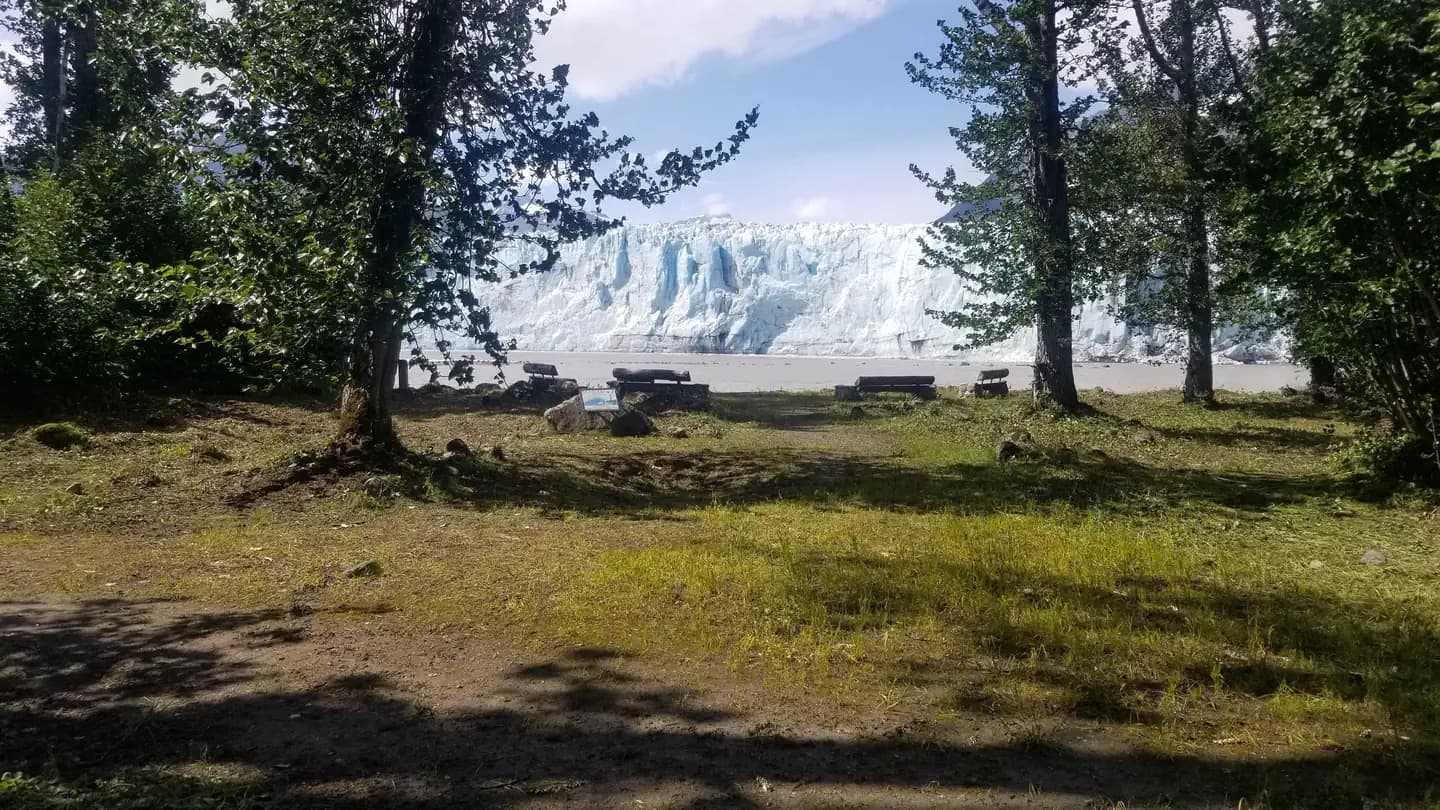
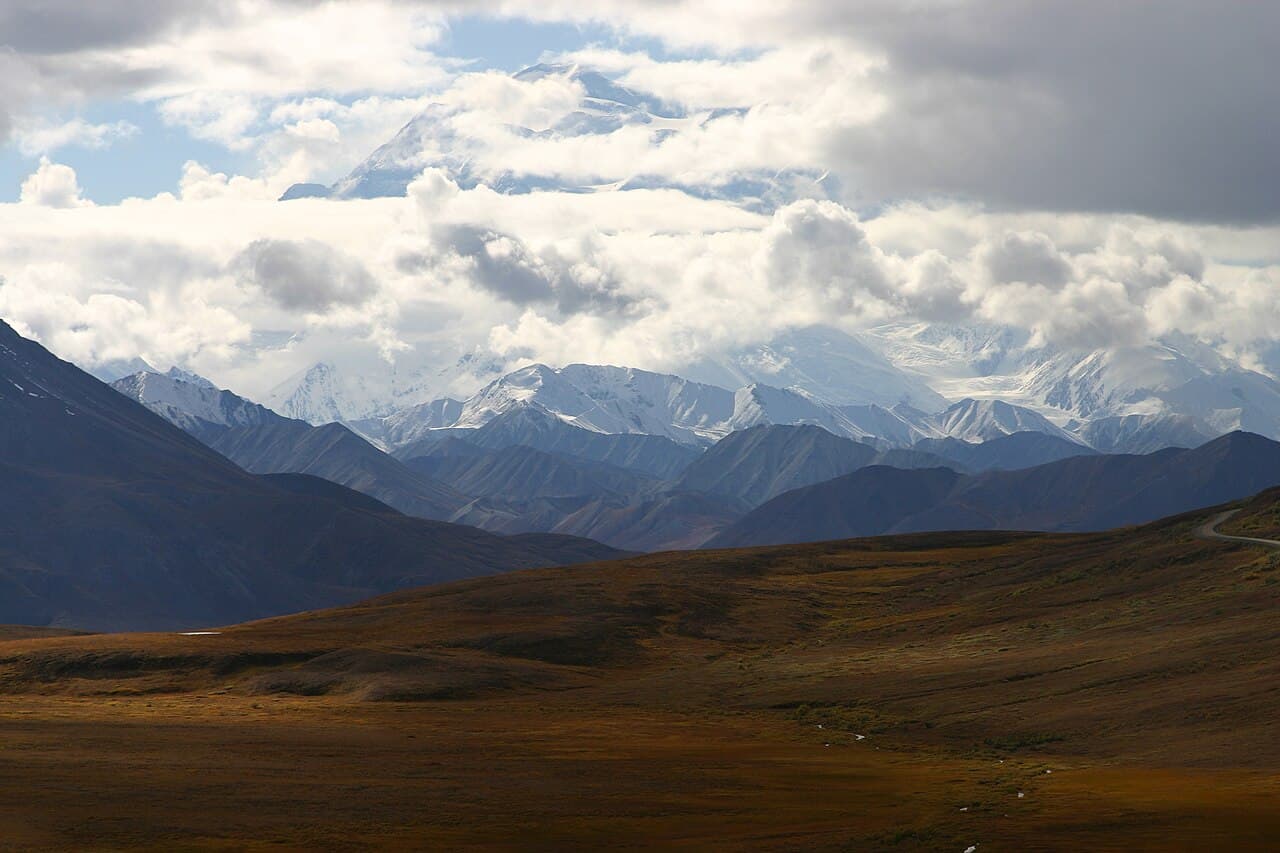
The campground at Mile 85, with Denali across the tundra. Closed through 2026 fo...
Required for overnight stays in designated units.
“Six million acres split into 87 units, no trails in most of them, permits free - and you cannot book one until the day before you walk.”
Denali hands out its backcountry permit across a desk, one day ahead at most. NPS: "Backpacking permits are issued only in person, no more than a day before you begin your backcountry adventure", and they are free. Each unit has a nightly quota, but none of it is sold on a booking calendar — so there is no reservation to cancel and nothing for us to watch.
Official permit pagePlanning another trip? See the permits we watch.
Denali hands out its backcountry permit across a desk, one day ahead at most. NPS: "Backpacking permits are issued only in person, no more than a day before you begin your backcountry adventure", and they are free. Each unit has a nightly quota, but none of it is sold on a booking calendar — so there is no reservation to cancel and nothing for us to watch.
Official permit pagePlanning another trip? See the permits we watch.
Build your full itinerary start to finish
Add your dates and get a day-by-day plan: what needs a permit, what gear to bring, and one link to share with your whole group to coordinate every step.
No permit needed to start
Denali hands out its backcountry permit across a desk, one day ahead at most. NPS: "Backpacking permits are issued only in person, no more than a day before you begin your backcountry adventure", and they are free. Each unit has a nightly quota, but none of it is sold on a booking calendar — so there is no reservation to cancel and nothing for us to watch.
Official permit page →Mid-June through August. The Backcountry Information Center runs mid-May to late September, and buses operate May 20 to mid-September, so the practical season is bounded by both. Late August brings tundra colour and fewer mosquitoes, and the first snows can arrive in September.
Trailhead (5,000 ft)
Backcountry Tips
Today
51°
37°
Mon
52°
38°
49%
Tue
50°
42°
91%
Wed
42°
38°
80%
Thu
44°
36°
39%
Fri
40°
37°
69%
Sat
47°
37°
68%
Sign up at National Park Service if you don't have an account. Have your payment info ready.
Permits typically release on a rolling basis. Check the specific release time for your desired dates.
Log in a few minutes early. Have your dates, group size, and payment ready to go.
Fitness and endurance required
Climbing, scrambling, or specialized skills
Steep dropoffs and fall potential
Route finding and trail clarity
Difficulty of bailing out mid-route
Experienced off-trail backpackers comfortable navigating trackless country and crossing glacial rivers alone.
Off-trail navigation, glacial river crossing, and bear-country camping. The navigation rating is the highest in this catalog and it is not an exaggeration - most units have no trail of any kind.
Anyone who has only walked on trails. Denali's backcountry has almost none, and help is a long way off.
Denali's backcountry permits are free and required for overnight trips, and they cannot be reserved. The park issues them in person only, no more than one day prior to the start of the trip - from mid-May to late September at the Backcountry Information Center on the Denali Bus Depot campus, and in fall, winter and spring at the visitor center. You need the permit before you can buy camper bus tickets, and the park asks you to plan at least an hour at the desk.
The park is divided into 87 backcountry units, each thousands of acres. Forty-two of them have a quota on the number of individuals who may camp there each night, and the park's own example makes the unit clear: if a quota is 8, there could be 8 solo backpackers, or 4 groups of 2 people. The permit specifies which unit your party camps in; you may travel through others to get there, but you cannot double-book a night across two units or across a unit and a campground. Day hiking in the backcountry needs no permit at all.
All party members must attend a backcountry orientation before the permit is issued. The park's safety video series can be watched online in advance - chapters 3 (Hiking), 4 (Camping) and 5 (Animal Safety) - and if you have not, they are shown at the Backcountry Information Center. The safety talk itself runs about ten minutes.
Bear-resistant food containers are required, not recommended. The park's wording: you must store all food, garbage, and other scented items in a BRFC when camping overnight in Units 1-21 and 23-43, and BRFCs are recommended for overnight camping in all other units. The requirement runs April 15 to September 30. You may bring your own IGBC-approved container or check one out from the Park Service - the small one weighs 3 lbs and holds 3 to 5 days of food for one person, the larger weighs 5 lbs and carries 7 to 10 days.
Most visitors plan one, two or three nights, though trips of up to 30 nights are possible. Buses run May 20 to mid-September. For 2026, the Denali Park Road is closed at Mile 43 because of the Pretty Rocks Landslide and buses travel no further than the East Fork Bridge, so the units beyond that point are not bus-reachable this season.
Denali runs the least reservable backcountry system of any major park, on purpose. There is no lottery, no Recreation.gov listing and no advance booking at all: you show up at the Backcountry Information Center, watch the safety videos, pick a unit that still has space, and walk. It is also almost entirely trailless, which is why the orientation is mandatory rather than optional.
The park divides itself into 87 backcountry units, each thousands of acres. Forty-two of them carry a quota on the number of individuals who may camp there each night - and the park spells out what that means: if a quota is 8, there could be 8 solo backpackers, or 4 groups of 2 people. It is a headcount, not a party count. Your permit specifies the unit your party must camp in, though you may travel through other units to reach it, and double-booking a night across two units or a unit and a campground is not allowed.
Permits are free and issued in person only, no more than one day prior to the start of the trip. From mid-May to late September that happens at the Backcountry Information Center on the Denali Bus Depot campus; in fall, winter and spring at the Winter Visitor Center. You need the permit before you can buy camper bus tickets, and the park asks you to allow at least an hour for the process. Every member of the party has to attend the backcountry orientation, which includes chapters 3, 4 and 5 of the park's safety video series if you have not watched them online.
One 2026 constraint changes everything downstream: the Denali Park Road is closed at Mile 43 and transit and tour buses travel no further than the East Fork Bridge, so units beyond mile 43 are not bus-reachable this season.
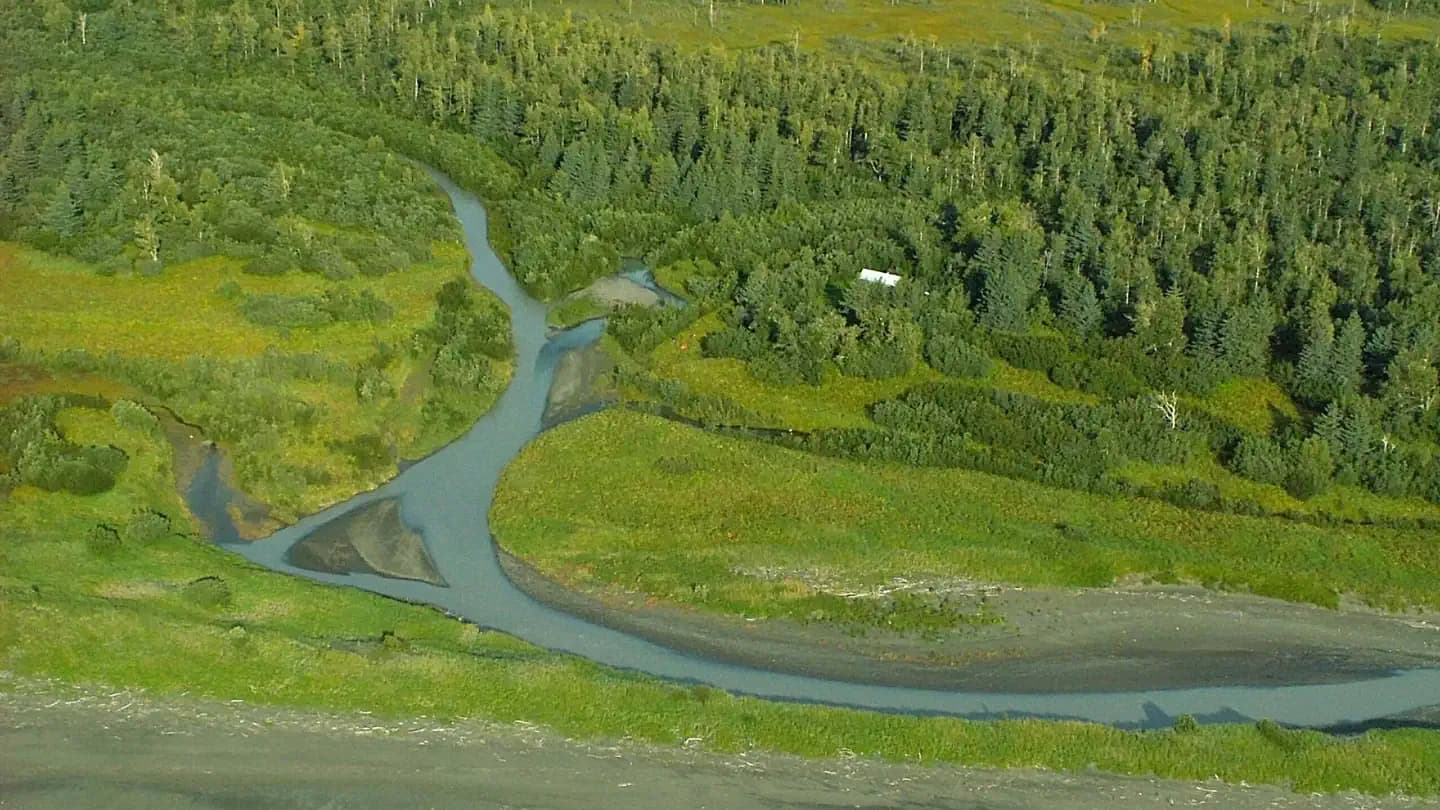
River bars and tundra instead of tread. You navigate by landform, cross braided glacial rivers, and camp where the map and the terrain agree. Grizzlies are a routine part of the day, which is why the bear-resistant food container is non-negotiable.
Next to the Denali Bus Depot. NPS says backcountry permits are obtained here, in person, and that all members of the backpacking party must attend a backcountry orientation before the permit is issued.
NPS puts the park at 5 hours by car or 8 hours by train from Anchorage, and 2 hours by car or 4 hours by train from Fairbanks.
Open 9 a.m. to 6 p.m. daily in summer. NPS says to allow approximately 45 minutes for the orientation, so arrive by 5 p.m., and to plan for your group to spend at least an hour here. Bear-resistant food containers are loaned free.
A free bus serving the first 15 miles of the park road. NPS names units 1, 2, 3, 4, 5, 24, 25, 26 and 27 as the areas it reaches.
Once your trip starts you may not return to the park entrance area, which NPS defines as the first 15 miles of the Denali Park Road east of Savage River, until you are finished backpacking.
The end of bus service. NPS says transit buses and tour buses will travel no further than the East Fork Bridge at mile 43 of the Denali Park Road.
NPS says the road closure at Mile 43 is expected to remain in place through summer 2026 while the Polychrome Area Plan is implemented. NPS does not publish which backcountry units this cuts off, so confirm your intended unit at the Backcountry Information Center.
Required and recommended gear for Denali Backcountry
Trailhead transportation options
Browse all shuttlesExperienced wilderness guides
Browse all guidesSome links may be affiliate links. Purchases support PermitSnag at no extra cost to you.
Units 1, 2, 3, 4, 5, 24, 25, 26 and 27, within the first 15 miles of the park road and reachable on the free Savage River Shuttle. NPS points here if you're short on time or don't want to spend long on a bus.
One of the units NPS names for beginners, alongside Units 6 to 13, 18 and 31 to 34.
Easy-to-navigate valleys and graveled river bars, with the exception of Unit 11, which NPS describes as mostly rolling tundra hills.
Where the buses stop in 2026. Transit and tour buses travel no further, and the road closure at Mile 43 is expected to remain in place through summer 2026 while the Polychrome Area Plan is implemented.
What NPS calls the super remote areas. Units 23, 44 and 87 are the valley glacier units.
Emergency contacts, ranger station locations, and satellite communicator tips for Denali Backcountry.
Bear canister requirements, approved container lists, and rental locations for this permit.
Yes for overnight trips, no for day hiking. Backcountry permits are free and required for overnight trips in the Denali backcountry. They are issued in person only, no more than one day prior to the start of the trip - at the Backcountry Information Center from mid-May to late September, and at the visitor center in fall, winter and spring.
No. Units may only be reserved in person at the Backcountry Information Center, no more than one day prior to the start of the trip. There is no lottery and no online booking. Plan for your group to spend at least an hour there completing the process.
The park is divided into 87 units, each thousands of acres. Forty-two of them have a quota on the number of individuals who may camp there each night - the park's own example is that if a quota is 8, there could be 8 solo backpackers, or 4 groups of 2. Your permit names the unit you camp in; you may travel through others to reach it, but you cannot double-book a night across two units.
Yes, in most of the park. The rule is that you must store all food, garbage, and other scented items in a bear-resistant food container when camping overnight in Units 1-21 and 23-43, and containers are recommended for all other units. The requirement runs April 15 to September 30. Bring your own IGBC-approved container or check one out free from the Park Service.
Nothing. All backcountry permits are free. The only costs of spending time in Denali's backcountry are the camper bus ticket and the park entrance fee.
Yes. All members of the backpacking party must attend a backcountry orientation before the permit is issued. Chapters 3 (Hiking), 4 (Camping) and 5 (Animal Safety) of the park's video series can be watched online beforehand, otherwise they are included in the orientation at the Backcountry Information Center. The safety talk lasts about ten minutes.
Mile 43. The Pretty Rocks Landslide has the Denali Park Road closed at Mile 43, and transit and tour buses travel no further than the East Fork Bridge. Units beyond that point are not reachable by bus this season.
No active conditions reported
Sign in to report trail conditions.
No questions yet
Be the first to ask about Denali Backcountry.
No trip reports yet
Be the first to share your experience at Denali Backcountry.
Write the First ReportAlaska barely gets dark in June - the light stays low and warm for hours around midnight rather than for twenty minutes.
Late August, when the tundra turns and the low sun returns. June light is long but flat.
There is no crowd. Quotas are counted in individuals per unit and most units hold very few, which is the entire design of the system.
Consider these alternatives if your preferred dates aren't available.
The tent-only campground at Mile 85, with the classic Denali reflection view.
Closed through 2026 because of the Pretty Rocks construction project, and unreachable anyway with the road shut at Mile 43.
Designated-site backcountry camping across 1,114 miles of trail in grizzly country.
Reservable months ahead with a real trail network, which is the opposite of Denali in almost every respect.
Designated wilderness campgrounds in dense grizzly country, bookable through a spring lottery.
Far more structured - named campgrounds, four people per site, advance reservations - and far easier to plan a trip around.
Nearby campgrounds to complete your Denali Backcountry trip
A small favor
Google lets you pick the sites it highlights for you. Add PermitSnag and our permit pages get marked as one of yours in AI Overviews and AI Mode.
Takes less than a minute.