Lassen Volcanic Wilderness Permit
Lassen Volcanic National Park · California
Required for every overnight in Lassen's designated wilderness. Pick the zone closest to where you plan to sleep and camp at large inside it.
70% of the openings our scanner caught on Lassen Wilderness were gone within 5 minutes.
Plan the full trip, not just the permit
Build your full itinerary start to finish
Add your dates and get a day-by-day plan: what needs a permit, what gear to bring, and one link to share with your whole group to coordinate every step.
No permit needed to start
Lassen Wilderness Quick Facts
Lassen Wilderness Permit Facts
- As of September 2026, Lassen Wilderness in Lassen Volcanic National Park, California requires a permit issued via reservation.
- The permit season for Lassen Wilderness runs July 1 through October 15.
- Cancelled Lassen Wilderness permits are re-released on the booking system; PermitSnag monitors availability and alerts watchers when dates open.
Key Information
Key Dates
Permit Details
Pro Tips
- •There is no quota, so book late without stress. What actually blocks a trip is snow at the trailhead.
- •Rent a canister at the Loomis Museum or Kohm Yah-mah-nee Visitor Center rather than buying one for a single trip.
- •Skip Summit Lake. The Park Service itself flags it as the most congested trailhead.
- •In winter you can legally camp on the snow-covered park road, so pick the zone nearest where you will stop.
What to Expect
Route Details
Highlights
- •26 wilderness zones with at-large camping inside each
- •No quota on advance reservations, so a last-minute trip is realistic
- •A snow-driven season. Trails at 7,000 feet hold drifts into July
- •Bear canisters required April 16 through November 30
- •Four main trailheads, of which Summit Lake is by far the busiest
Best Time to Visit
Mid-July through mid-October, once the snow has cleared the higher zones and before the first storms close the park road. Winter camping is legal and the park lets you camp on or near the closed main road when it is snow covered.
Hazards & Considerations
- !Hydrothermal ground that can be thin enough to break through. Stay on trail near any thermal area
- !Snow lingering well into July on higher trails
- !Afternoon thunderstorms and lightning above treeline
- !Black bears, which is why canisters are required most of the year
- !Heavy mosquitoes through the snowmelt weeks
Weather Forecast
Trailhead (5,000 ft)
Today
65°
44°
Fri
54°
37°
Sat
63°
37°
Sun
59°
36°
Mon
63°
35°
Tue
75°
40°
Wed
73°
46°
How to Get This Permit
Create a Recreation.gov account
Sign up at Recreation.gov if you don't have an account. Have your payment info ready.
Know the release schedule
Permits typically release on a rolling basis. Check the specific release time for your desired dates.
Be ready when permits drop
Log in a few minutes early. Have your dates, group size, and payment ready to go.
Monitor for cancellations
If your dates are sold out, people cancel all the time. Set up PermitSnag alerts to catch openings instantly.
When to Go
Conditions
Snowbound. The main park road is usually closed well into June.
Crowd Level
LowAdvantages
- +Ski and snowshoe camping
- +Total solitude
Challenges
- !Deep snow
- !Avalanche terrain on the peaks
- !Very limited access
Difficulty Assessment
Fitness and endurance required
Climbing, scrambling, or specialized skills
Route finding and trail clarity
Difficulty of bailing out mid-route
Best For
Backpackers who want an uncrowded Cascades trip without competing for a permit, including first-timers on the Butte Lake to Snag Lake route.
Recommended Experience
None for the lake routes. Early-season trips need snow travel experience.
Not Recommended For
Anyone unwilling to carry a bear canister, or arriving before the snow melts without winter skills.
About This Permit
A wilderness permit is required for every overnight stay in Lassen Volcanic's designated wilderness, and unlike almost every other park on this list it carries no quota. Recreation.gov states the quota is unlimited. You book one permit per trip, not one per night, and your confirmation email is the permit.
Reservations open on a rolling 90 day window at 10:00 am Eastern each day. The park splits the wilderness into 26 zones and asks you to pick the one closest to where you will camp. Bear canisters are required April 16 through November 30 and the park rents them at the Loomis Museum and Kohm Yah-mah-nee Visitor Center.
The Experience
Why It Matters
Lassen is the only place on earth where all four types of volcano sit inside one park boundary, and the wilderness that surrounds them almost nobody walks into. The permit has no quota at all. What limits your trip is snow, not competition.
The Route
Four trailheads carry most backcountry traffic: Warner Valley, Butte Lake, Juniper Lake and Summit Lake. The Park Service quietly steers people away from Summit Lake because it is the busiest.
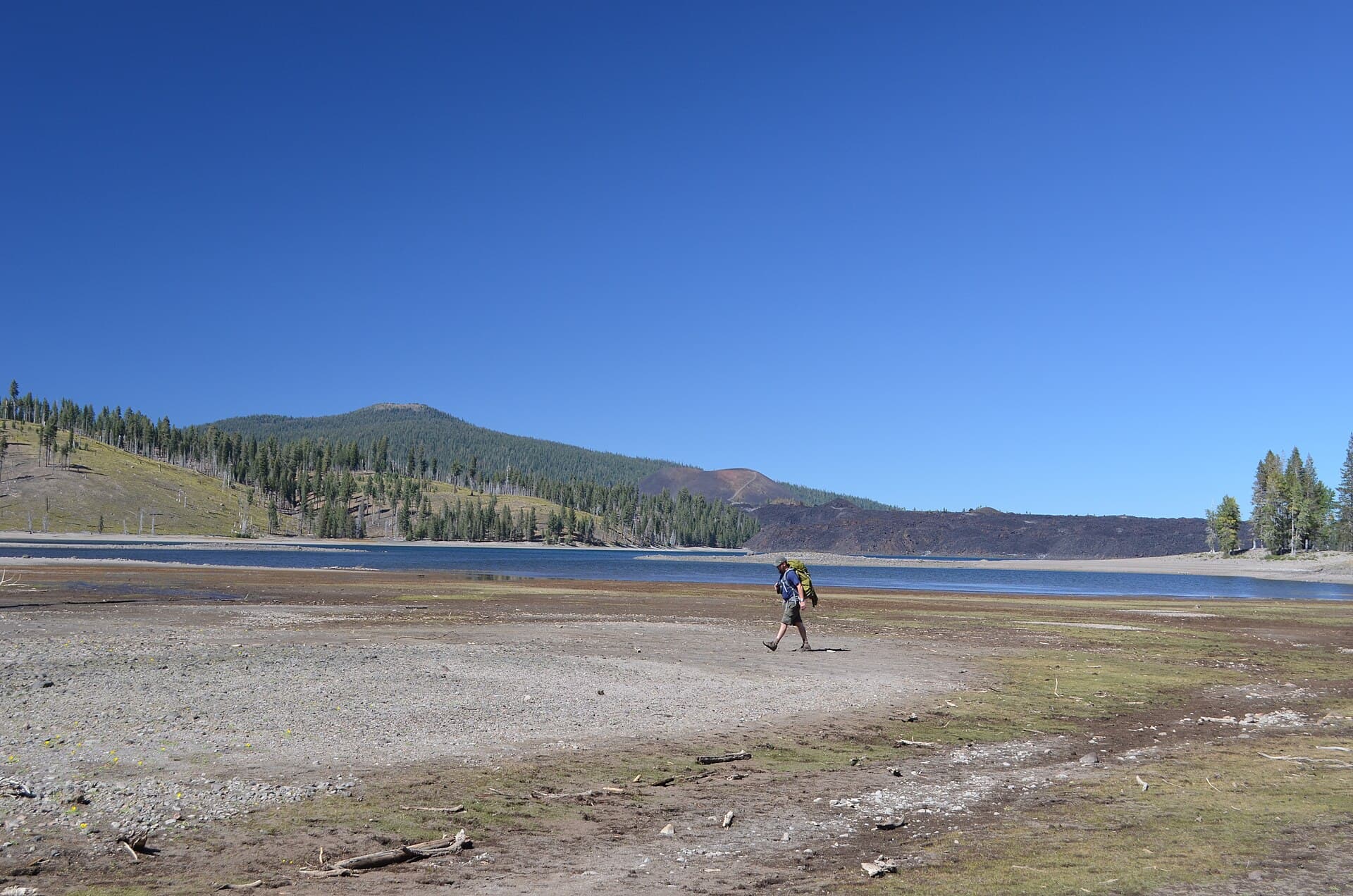
The classic first trip goes from Butte Lake around the Fantastic Lava Beds to Snag Lake, with the option of walking up Cinder Cone on the way. The Painted Dunes and Cinder Cone themselves are closed to camping, so plan on sleeping at the lake.
Warner Valley and Juniper Lake open the southeastern half of the park, where the zones stack up around Drake Lake, Horseshoe Lake and Jakey Lake. Twenty-six zones cover the park, and you book the one closest to where you intend to sleep rather than an exact site.
The Feeling
The Fantastic Lava Beds are black, jagged and completely silent, and then you come around them and Snag Lake is sitting there flat and blue with the Cinder Cone rising behind it. In late summer the water is warm enough to swim. At night the only sound is the wind moving through the lodgepole.
Trailhead Information
Butte Lake
Northeast trailhead. The gateway to Cinder Cone, Snag Lake and the quietest zones in the park.
Before you rely on this water
Seasonal potable water at the Butte Lake campground when it is open. Treat everything you take from lakes and creeks.
Parking
Day use and backpacker parking at the Butte Lake campground area.
Getting There
Six miles of graded gravel road off Highway 44. Passable in a normal car when dry.
Nearest Services
Old Station, about 30 minutes west, has fuel and a small store.
Warner Valley
Southern trailhead for Drake Lake, Corral Meadow and the Kings Creek zones.
Before you rely on this water
Water at the Warner Valley campground in season only. Nothing in winter.
Parking
Small lot at the campground. Fills on summer weekends.
Getting There
Seventeen miles north from Chester, with the last stretch narrow and steep.
Nearest Services
Chester has fuel, groceries and lodging.
Juniper Lake
Southeast trailhead for Horseshoe Lake, Crystal Lake and Jakey Lake.
Before you rely on this water
No potable water at the trailhead. Filter from the lake.
Parking
Limited parking at the Juniper Lake campground.
Getting There
Thirteen miles of rough dirt road from Chester. High clearance strongly recommended.
Nearest Services
Chester.
Rules & Regulations
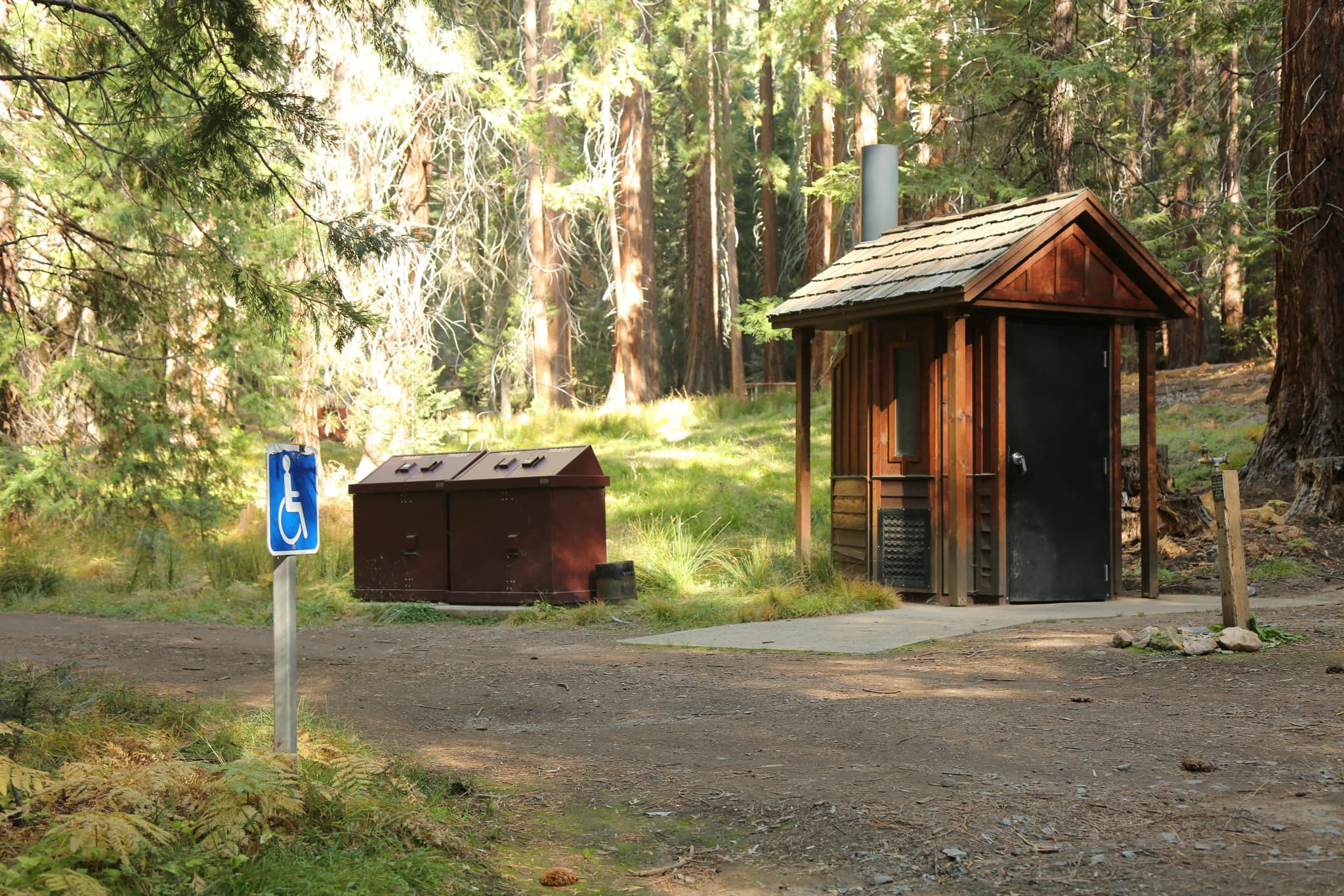
- •A wilderness permit is required for all overnight camping in the wilderness. One permit covers the whole trip, not each night
- •Camp at least 100 feet from any body of water and 100 feet from any trail
- •No camping within half a mile of or within sight of roads open to traffic, developed areas or campgrounds
- •No camping within a quarter mile of any hydrothermal area, or of Cliff, Crags, Crumbaugh, Little Willow and Echo Lakes
- •Camping is closed on the Lassen Peak Trail from Summit Lake to Echo Lake, at Kings Creek Falls and Meadow, on Mt. Harkness summit, and at the Painted Dunes and Cinder Cone
- •Bear resistant food storage containers approved by the NPS are required except December 1 through April 15
- •Fires are prohibited and pets are not permitted anywhere in the wilderness
Gear Checklist
Required
- An approved bear canister between April 16 and November 30
- A stove, because fires are prohibited park-wide in the wilderness
- Water filter or treatment for lake and creek water
- Warm layers. Nights at 6,000 to 8,000 feet drop hard even in August
- Trash bag, since everything including food waste gets packed out
Recommended
- Head net for the mosquito peak in July
- Microspikes for early-season snow on north-facing slopes
- Swim towel for Snag Lake and Horseshoe Lake in late summer
- Printed zone and closure map from the park
Plan Your Trip
Gear Checklist
Required and recommended gear for Lassen Wilderness
Shuttle Services
Trailhead transportation options
Browse all shuttlesGuide Services
Experienced wilderness guides
Browse all guidesSome links may be affiliate links. Purchases support PermitSnag at no extra cost to you.
Key Landmarks
Butte Lake Trailhead
Northeast corner access for Cinder Cone, Snag Lake and Jakey Lake.
Cinder Cone
Closed to camping. The walk up is loose ash and worth doing with a day pack.
Painted Dunes
Oxidized ash fields below Cinder Cone. Closed to camping.
Snag Lake
Zone 22. Lava-dammed lake with easy shoreline camping and swimming in late summer.
Warner Valley Trailhead
Southern access to Drake Lake, Corral Meadow and the Kings Creek zones.
Juniper Lake Trailhead
Southeast access to Horseshoe Lake, Crystal Lake and Jakey Lake.
Kohm Yah-mah-nee Visitor Center
Southwest entrance. Rents bear canisters during business hours.
Lassen Wilderness FAQ
How do I get a Lassen Volcanic wilderness permit?
Reserve it on Recreation.gov permit 4675334. Reservations open 90 days before your start date, daily at 10:00 am Eastern. Your confirmation email is your permit and you do not need to pick anything up in person.
Is the Lassen wilderness permit hard to get?
No. Recreation.gov lists the quota as unlimited. You still need one permit per trip, but there is no competition for it.
Do I need a bear canister for a Lassen wilderness permit trip?
Yes, from April 16 through November 30. NPS-approved bear resistant containers are required and the park rents them at the Loomis Museum and Kohm Yah-mah-nee Visitor Center. They are not required December 1 through April 15.
How much does the Lassen wilderness permit cost?
A $6 non-refundable reservation fee plus $5 per person per trip. Recreation.gov lists visitors 15 and under as free. The park entrance fee is separate.
Can I have a campfire on a Lassen wilderness permit?
No. Fires are prohibited in the Lassen wilderness. Bring a stove.
👥Community
Trail Conditions
No active conditions reported
Sign in to report trail conditions.
Questions
No questions yet
Be the first to ask about Lassen Wilderness.
Trip Reports
Write ReportNo trip reports yet
Be the first to share your experience at Lassen Wilderness.
Write the First ReportPhotography Guide
Golden Hour
First light on Cinder Cone from the north shore of Snag Lake, with the Fantastic Lava Beds still in shadow.
Best Light
The Painted Dunes need low sun to show their color. Midday washes them out completely.
Beat the Crowds
Everything at Summit Lake is busy. Start from Butte Lake or Juniper Lake and you will see a fraction of the traffic.
Classic Shots
- 📍Cinder Cone reflected in Snag Lake at dawn
- 📍Painted Dunes from the Cinder Cone rim at sunset
- 📍Lassen Peak over Manzanita Lake
- 📍Steam vents in Bumpass Hell backlit in early morning
Can't Get a Lassen Wilderness Permit?
Consider these alternatives if your preferred dates aren't available.
Crater Lake backcountry
Same AreaThe other Cascades volcano park with a free backcountry permit and a similar snow-driven season.
Tradeoffs
Fewer lakes to camp beside, but a bigger rim and the PCT running through it.
North Cascades backcountry
Similar ExperienceAlpine Washington wilderness on an early-access lottery followed by a general on-sale.
Tradeoffs
Far more competitive and far more glaciated.
Joshua Tree wilderness
Easier AlternativeCalifornia at-large zone camping with a winter season instead of a summer one.
Tradeoffs
You carry every drop of water, but the permit is just as easy and the season is opposite.
Where to Stay
Nearby campgrounds to complete your Lassen Wilderness trip
A small favor
One tick helps us more than you’d think
Google lets you pick the sites it highlights for you. Add PermitSnag and our permit pages get marked as one of yours in AI Overviews and AI Mode.
Takes less than a minute.