Cirque of the Towers Late Season: Walk-Up Permits Before Winter Sets In
Oct 17-20, 20263 min read
P
PermitSnag Team
95 reports
5.0
Difficulty
3
Scenery
5
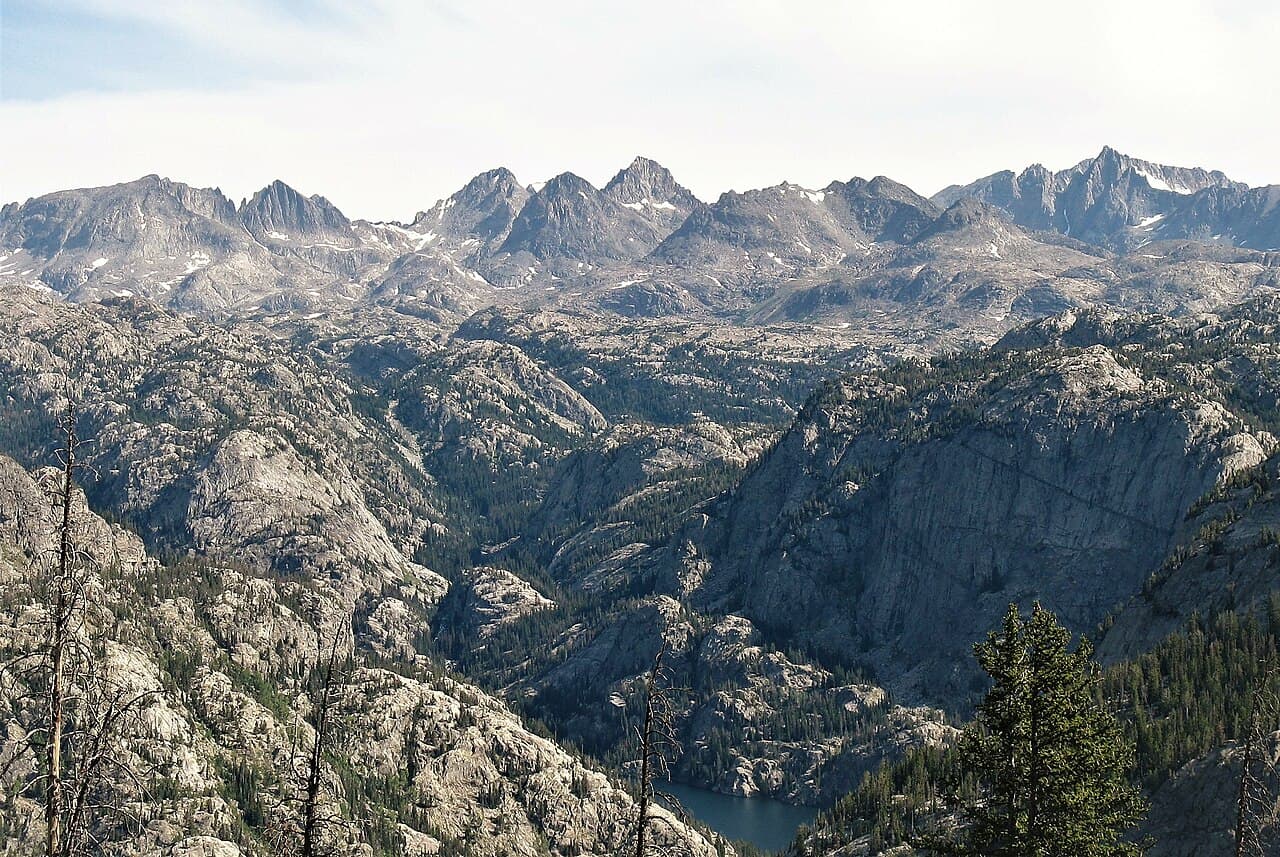
The Cirque of the Towers is one of those places that lives up to the hype — a granite amphitheater ringed by spires in the southern Wind River Range, reached on-trail from the Big Sandy trailhead. By mid-October the summer crowds are gone, but the access and permit rules don't change with the calendar.
This is a walk-up permit zone managed by Bridger-Teton National Forest, not a lottery. There's no advance reservation, no online booking window, and no listed daily quota or fee in the Forest Service info for this zone. That means your permit strategy is simple: get to the ranger station or trailhead kiosk, fill out the self-issue form if that's how it's set up for the season, and go. Don't assume because it's walk-up that you can skip the paperwork — self-registration still matters for search and rescue and for Leave No Trace tracking in a popular zone like this.
Late season changes the character of the trip more than the permit mechanics. October in the Winds means shorter daylight, freezing overnight temps are standard, and an early snowstorm can show up with little notice at this elevation and latitude. Check the Bridger-Teton NF conditions page and avalanche/weather forecasts before you commit to a date, and have a bailout plan if a system moves in while you're at camp.
Water sources in the Cirque basin are plentiful through summer, but by October, with freezing nights, smaller feeder streams can ice over or slow to a trickle by morning. Carry a filter or chemical treatment regardless of season, and fill bottles in the afternoon when flows are at their best rather than counting on a flowing creek at first light.
A typical itinerary runs in from Big Sandy trailhead, camps at least one night in the Cirque basin, and exits the way you came in or via one of the connecting passes if conditions and your group's experience support it. Pace yourself on the day you walk in — this is high-elevation terrain, and altitude headaches hit harder when nights are already cold and you're pushing to make camp before dark.
Common mistakes this time of year: showing up without a self-issue permit because people assume walk-up means no paperwork, under-packing insulation because the days can be warm and sunny, and not checking the Forest Service passes and permits page before driving out in case access points or facilities have shifted to winter mode. Also budget extra time for the drive in — late season road conditions on Forest Service access roads can slow you down or close sections outright.
Bear canisters or proper food hangs are still a good idea even though grizzly activity slows as temps drop — this is still bear country and local food storage guidance hasn't officially changed for the season. If you're unsure what's required, call the ranger district before you go rather than guess.
This is a quieter window to see the Cirque without summer's trail traffic, but it rewards people who come prepared for winter-adjacent conditions, not shoulder-season comfort. Watch the weather right up until your departure date, and don't be afraid to shift your trip a few days if a storm is tracking toward the range.
— Compiled by the PermitSnag team from agency info, ranger updates, and public trip logs.
Conditions at Time of Trip
Oct 2026Weather
Freezing overnight lows typical, daytime highs cooler, early season snow possible
Trail
Dry to patchy snow depending on storms; access roads may slow with late-season weather
Water
Streams generally flowing but smaller sources can ice over on cold mornings
Crowds
Light
💡Tips from the Trip
💡
General
- •Self-issue your walk-up permit at the trailhead or ranger station even though there's no reservation system
- •Check Bridger-Teton NF road and conditions updates before driving in, since forest roads can be affected late season
- •Fill water bottles in the afternoon when flows are strongest rather than relying on morning flow
- •Pack for below-freezing nights even if the trailhead day looks warm and clear
- •Have a bailout plan and extra food in case an early storm forces a longer stay or early exit
- •Call the ranger district ahead of time to confirm current food storage guidance for the Cirque basin
Was this helpful?