San Juan River Permit: Route and Dates
San Juan River permits are booked by advance reservation in Colorado Plateau Rivers. The route covers 84 miles.
Class II to III through the Goosenecks, in segments of 27 and 57 miles - with a daily cap that binds on groups or on people, whichever fills first.
This guide covers the San Juan River permit.
$6 non-refundable application and reservation fee, plus a per-person fee by segment: $10 Sand Island to Mexican Hat, $20 Mexican Hat to Clay Hills, $30 Sand Island to Clay Hills. America the Beautiful, Senior and Access passes do not discount these fees.
Permit Cost
6-7 days
Duration
84 miles
Distance
moderate
Difficulty
About San Juan River
A permit is required year-round on the San Juan, and permit fees apply to trips launching March 1 to October 31 on all river segments between Sand Island and Clay Hills. The BLM manages the river from Montezuma Creek to the Glen Canyon National Recreation Area boundary at about river mile 45.5, and by agreement with the Park Service issues permits for all segments on the 102-mile section between Montezuma Creek and Clay Hills. The daily cap is a dual limit and either one can close a day. At Sand Island, seven groups or 75 persons are allowed to launch per day, and when either limit is reached the day is full. On top of that, only two trips launching from Sand Island per day may go all the way to Clay Hills; all others must take out at Mexican Hat. At Mexican Hat, three groups or 50 persons may launch per day, again whichever is reached first. Maximum group size is 25 persons, all ages included, and no more than the pre-paid amount on the permit. Groups launching under separate permits may not camp or travel together if that would create a total group of more than 25. Fees are a $6 non-refundable application or reservation fee, then per person by segment: $10 Sand Island to Mexican Hat, $20 Mexican Hat to Clay Hills, $30 Sand Island to Clay Hills. The permit text says Montezuma Creek to Sand Island carries no fee, though the permit's own division record shows a $10 Montezuma Use Fee - a conflict we have not resolved. Passes do not qualify for discounts on these fees. The lower segment carries rules the upper one does not. Camping below Government Rapid camp, around river mile 64, is allowed at 9 designated sites only, and all groups must have an assigned campsite in this area prior to launch. Trips taking out at Clay Hills must have at least one reserved campsite, and the permit is revoked if none are available. You may schedule up to two nights in that section, with the first night in one of the Slickhorn sites A to E and the second downstream of Slickhorn. Groups adding passengers at Mexican Hat must have all rafts and equipment present at inspection at Sand Island - no rafts may be added at Mexican Hat. Equipment: a washable, leak-proof toilet system accessible during the daytime; engineered bag systems are acceptable if the waste, bags included, is carried in a leak-proof, animal-proof, hard-sided container with a screw-on or ratchet-locking lid. Fire pans must be durable metal, at least 12 inches in diameter with a 1.5-inch lip, and carried on all trips except one-day trips from April 1 to October 31, even when stoves are used. Life jackets must be whitewater Type I, III or V - the BLM notes Type II is permissible under state law but strongly advises against it, and inflatable life jackets are not allowed. Also required: first aid kit, repair kit, air pump, an extra oar, paddle or motor per raft, dory or canoe with one spare per three low-capacity boats, a bail bucket or bilge pump, and for boats 16 feet and over a Type IV throwable or a 40-foot rescue rope plus a horn or whistle. Dishwater strainers are recommended rather than required. Pets are prohibited between Sand Island and Clay Hills. Two standing closures shape where you can camp. The Navajo Nation has a year-round camping closure on river left because of bighorn sheep lambing and nursing requirements, and the left bank from Montezuma Creek to Trimble Camp is managed by the Navajo Nation, which requires additional permits to camp, hike or visit archaeological sites there. The Butler Wash Petroglyph Site at river mile 4.2 is closed to overnight camping, and camping in cultural sites is prohibited generally. One practical fact worth planning around: there are no reliable, potable sources of drinking water on the San Juan River.
The San Juan is the accessible Colorado Plateau multi-day: gentle enough for competent beginners, with entrenched meanders, Ancestral Puebloan sites and desert varnish the whole way. It is also the one where the permit structure rewards reading carefully - segment fees, a dual daily cap, and a mandatory reserved campsite on the lower half.
The San Juan River route
- Distance
- 84 miles
- Route type
- point-to-point
- Trip length
- 6-7 days
- Difficulty
- moderate
Colorado Plateau. Nearest town: Bluff, UT
San Juan River permit detailsandAll Colorado Plateau Rivers permits
The Experience
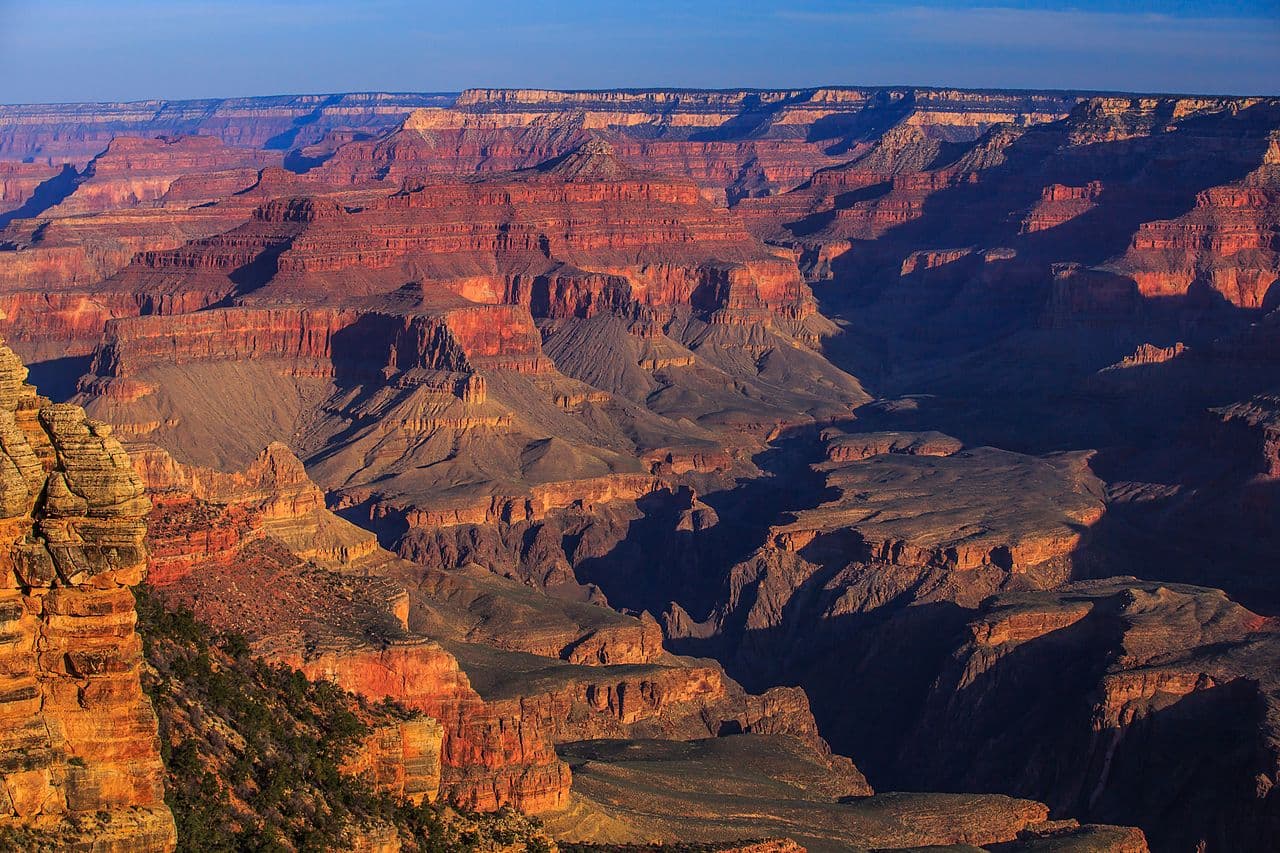
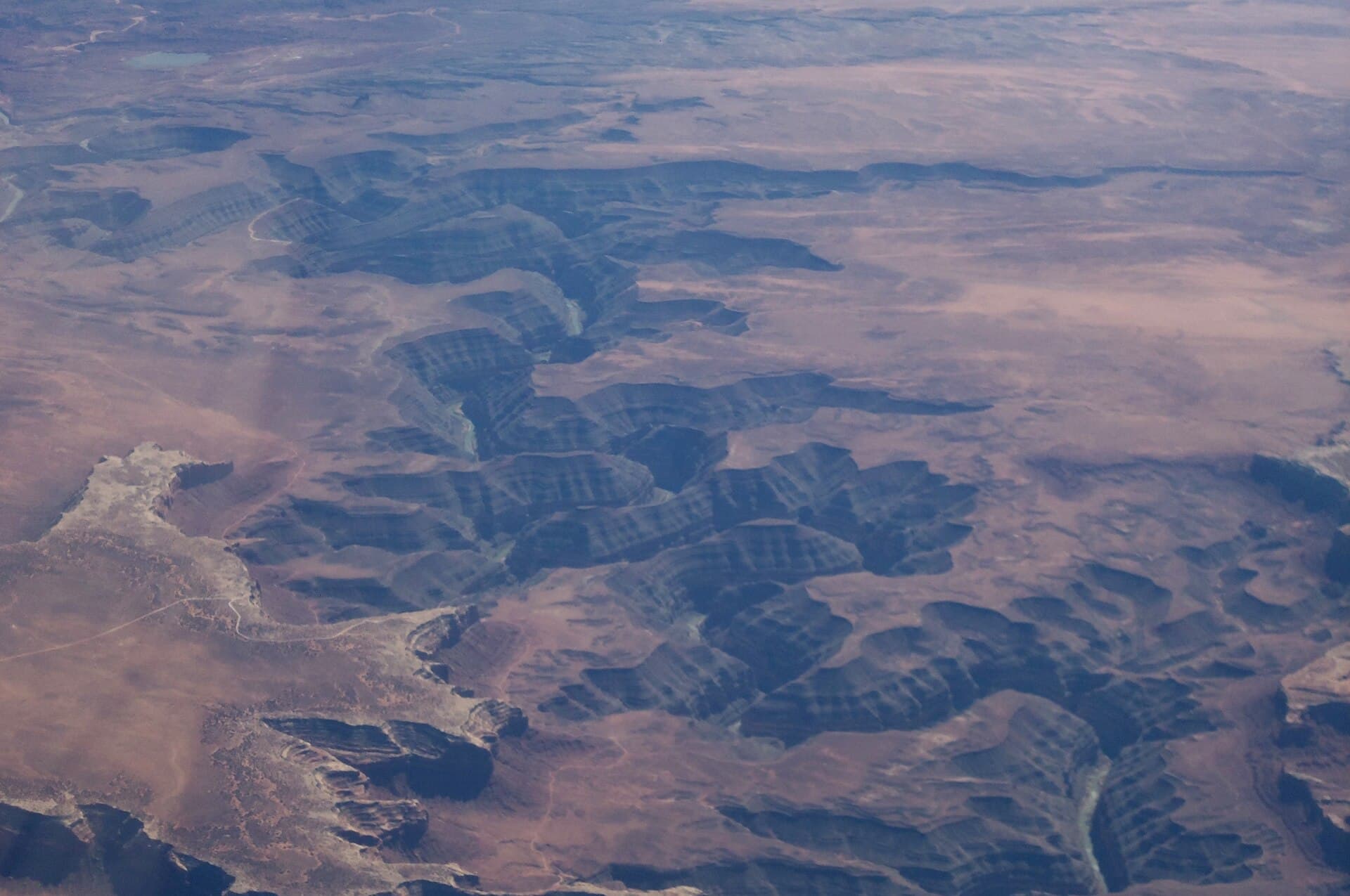
Sandstone walls that fold back on themselves through the Goosenecks, silty water moving faster than it looks, and camps on wide sand beaches. There is no reliable drinking water anywhere on the river.
The BLM publishes the segments precisely. Sand Island to Mexican Hat is about 27 miles and most boaters take two to three days. Mexican Hat to Clay Hills is approximately 57 miles and is typically a four to five day trip. Sand Island to Clay Hills is about 84 miles and typically six to seven days. The seldom-floated Montezuma Creek to Sand Island segment is approximately 17 miles.
Clay Hills is the only viable take-out below Mexican Hat, and the BLM is blunt about why: there is a dangerous waterfall downstream from Clay Hills.
The river features Class II to III rapids that require some technical boating skill. The agency names Government Rapid and Slickhorn Rapid. Persons 13 and older must wear an approved PFD until downstream of Slickhorn Rapid; children under 13 wear one for the entire length of the river.
What to Expect
27 miles Sand Island to Mexican Hat, 57 miles Mexican Hat to Clay Hills, 84 miles for the full run
A dual daily cap - seven groups or 75 persons at Sand Island, three groups or 50 persons at Mexican Hat
Only two Sand Island trips a day may continue to Clay Hills
Segment-based per-person fees from $10 to $30
Nine designated campsites below Government Rapid, all reserved before launch
No reliable potable water anywhere on the river
A permit and equipment inspection before you launch
Get San Juan River Alerts
Be first to know when cancellations happen.
Permit Requirements
A permit is required year-round; fees apply to launches between March 1 and October 31
Maximum group size is 25 persons, all ages included, and no more than the pre-paid amount on the permit
Camping below Government Rapid camp, around river mile 64, is allowed at 9 designated sites only, and all groups must have an assigned campsite there prior to launch
Trips taking out at Clay Hills must have at least one reserved campsite or the permit is revoked
No rafts may be added at Mexican Hat - all rafts and equipment must be present at the Sand Island inspection
Persons 13 and older must wear an approved PFD until downstream of Slickhorn Rapid; children under 13 wear one the entire length. Inflatable life jackets are not allowed
Fire pans must be durable metal, at least 12 inches in diameter with a 1.5-inch lip, and carried on all trips except one-day trips April 1 to October 31
The Navajo Nation has a year-round camping closure on river left; the left bank from Montezuma Creek to Trimble Camp requires additional Navajo Nation permits
The Butler Wash Petroglyph Site at river mile 4.2 is closed to overnight camping, and camping in cultural sites is prohibited
Pets are prohibited between Sand Island and Clay Hills
Gear & Preparation
Required Gear
- •All your drinking water - the BLM states there are no reliable, potable sources on the river
- •A washable, leak-proof toilet system accessible during the daytime, or an engineered bag system in a hard-sided animal-proof container
- •A metal fire pan at least 12 inches in diameter with a 1.5-inch lip
- •Whitewater Type I, III or V PFDs - not inflatable, and Type II strongly discouraged
- •First aid kit, repair kit, air pump, spare oar/paddle/motor per boat, and a bail bucket or bilge pump
- •For boats 16 feet and over: a Type IV throwable or a 40-foot rescue rope, plus a horn or whistle
Recommended Gear
- •A dishwater strainer, recommended rather than required
- •Settling buckets - the San Juan carries a lot of silt
- •Sun shade for the beach camps
- •A printed copy of your assigned campsite list for the lower segment
Hazards & Safety
No reliable drinking water anywhere on the river
The dangerous waterfall downstream from Clay Hills, which is why Clay Hills is the only viable take-out below Mexican Hat
Government Rapid and Slickhorn Rapid, the two the BLM names
Heat on an exposed desert river through the summer
Closed ground on river left - Navajo Nation land with a year-round camping closure
Best Time to Visit
April through June and September through October. The lottery covers launches from April 15 to July 15, which is the highest-demand window; May and June carry the best flows. The BLM notes that May and June are the most popular time to float the river because of higher flows.
Pro Tips
Work out which segment you want before you apply. The fee, the daily cap and the campsite rules all change between Sand Island-to-Mexican-Hat and the full run to Clay Hills.
If you want Clay Hills, remember only two Sand Island launches a day get to go that far - it is a much narrower door than the seven-group cap suggests.
Reserve your lower-canyon campsites before launch. Without at least one for a Clay Hills trip, the permit is revoked.
Carry every drop of drinking water. There is no reliable potable source on the river.
Get every raft to the Sand Island inspection, even boats you plan to put in at Mexican Hat - the BLM will not let you add rafts there.
100+ wilderness permits, extensive backcountry experience
This guide is based on personal experience obtaining wilderness permits and is regularly updated to reflect current policies and strategies.
Frequently Asked Questions
How do I get a San Juan River permit?
+
San Juan River permits require advance reservations. Book online as soon as reservations open for your desired dates.
When is the best time to visit San Juan River?
+
April through June and September through October. The lottery covers launches from April 15 to July 15, which is the highest-demand window; May and June carry the best flows. The BLM notes that May and June are the most popular time to float the river because of higher flows.
How long is the San Juan River route?
+
The route is 84 miles, as a point-to-point. Plan on 6-7 days.
How difficult is the San Juan River route?
+
Competent private boaters and families. Class II to III with some technical skill required is the BLM's own description.
What gear do I need for the San Juan River route?
+
Essential gear includes: All your drinking water - the BLM states there are no reliable, potable sources on the river, A washable, leak-proof toilet system accessible during the daytime, or an engineered bag system in a hard-sided animal-proof container, A metal fire pan at least 12 inches in diameter with a 1.5-inch lip, Whitewater Type I, III or V PFDs - not inflatable, and Type II strongly discouraged, First aid kit, repair kit, air pump, spare oar/paddle/motor per boat, and a bail bucket or bilge pump. Additional specialized gear may be required based on conditions.
Don't Miss Your San Juan River Permit
Cancellations happen every day. PermitSnag monitors San Juan River availability 24/7 and alerts you the moment a spot opens up.
Get Permit Alerts