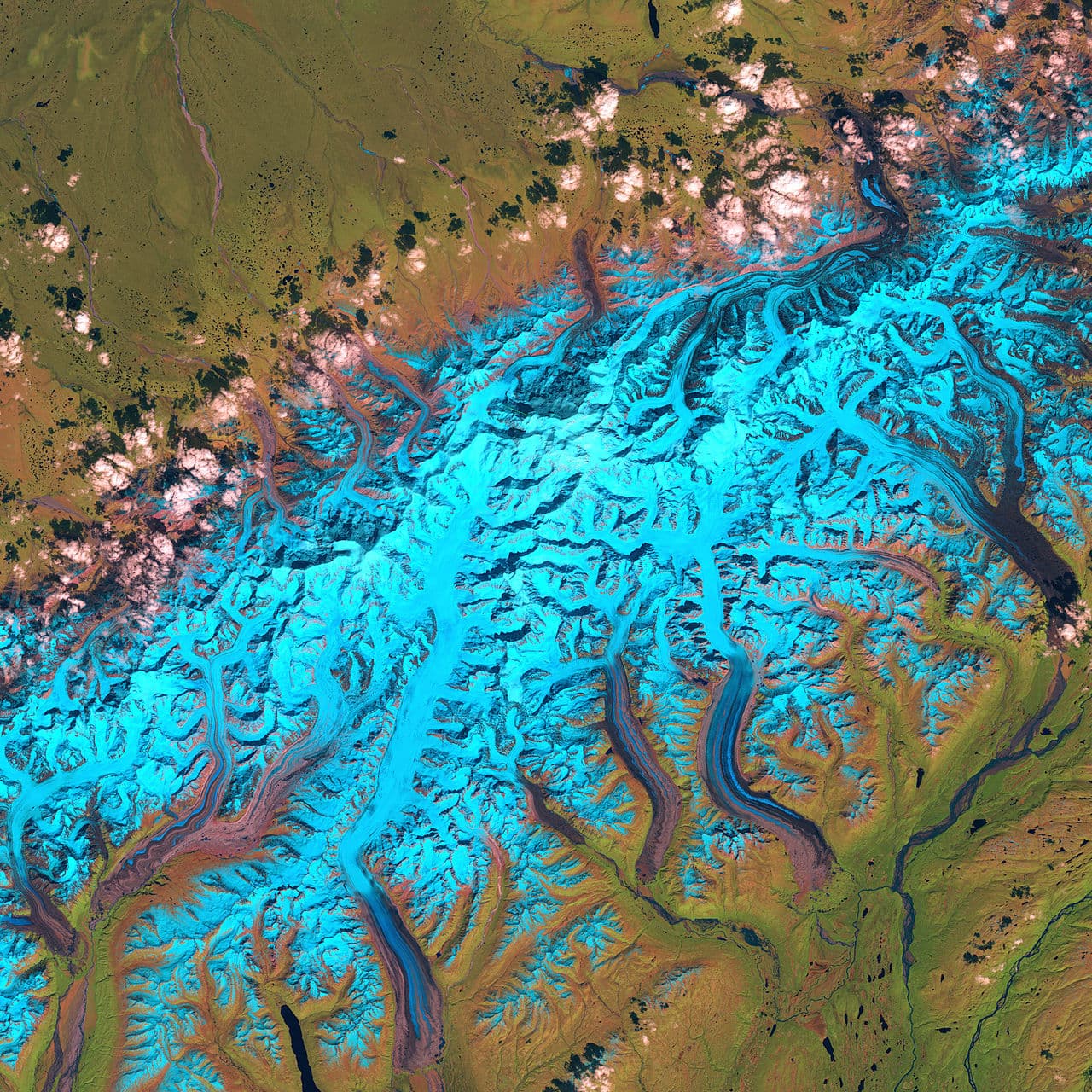
Denali Summit Permit
Special use permit for climbing Denali (Mt. McKinley), North America's highest peak. Registration required 60 days in advance with mandatory in-person orientation at Talkeetna Ranger Station.
How to get Denali
Denali registration does not run on a booking calendar. NPS handles it in two steps: pay the climbing fee through Pay.gov, then email in the Application for Special Use Permit, at least 60 days before your start date. Nothing is sold through a reservation system here, so there is no availability for us to watch.
Official permit pagePlanning another trip? See the permits we watch.
How to get Denali
Denali registration does not run on a booking calendar. NPS handles it in two steps: pay the climbing fee through Pay.gov, then email in the Application for Special Use Permit, at least 60 days before your start date. Nothing is sold through a reservation system here, so there is no availability for us to watch.
Official permit pagePlanning another trip? See the permits we watch.
Plan the full trip, not just the permit
Build your full itinerary start to finish
Add your dates and get a day-by-day plan: what needs a permit, what gear to bring, and one link to share with your whole group to coordinate every step.
No permit needed to start
Denali Quick Facts
Key Information
Permit Details
Pro Tips
- •Start the clock at 60 days out — NPS will not register you later than that unless you qualify for the seven-day exception
- •Cancel before February 15 if you are going to cancel; after that the fee is gone entirely
- •Book a 21-to-28-day window if you can. NPS says that is the length that reliably absorbs bad weather
- •Train for the sled, not just the pack: 40 to 70 pounds on your back plus 60 to 80 in the pulk, six to eight hours at a time
- •Above 10,000 feet, gain no more than about 1,000 feet a day and drink 4 to 6 liters — that is the NPS rule of thumb for acclimatizing
- •Bring an FRS radio; channel 1 is monitored for emergencies and weather is broadcast nightly at 7 p.m.
- •Cell phones do not work on the mountain — carry a satellite messenger
What to Expect
Route Details
Highlights
- •An average expedition of 17 to 21 days round trip; NPS says it is possible to summit on day 12 or 13, common in 15 to 18 with rest days and good weather, and that parties allowing 21 to 28 days can usually wait out bad weather
- •Carrying a 40 to 70 pound pack while pulling a 60 to 80 pound sled for six to eight hours at a time
- •A double-carry ascent strategy — haul a load up, drop it, sleep low, advance the next day
- •Temperatures that can dip below -35°F at the higher camps, on a glacier NPS says sees some of the widest temperature swings on the planet
- •No cell service; FRS radios, satellite phones, InReach or PLB are the communication options
- •A summit rate of about half — 523 of 1,049 attempts in 2024
Best Time to Visit
Late April through July. NPS says late April to early May tends to have more high-pressure days if you can take the cold, and that as June warms up clouds become more common and push precipitation higher on the mountain. The busiest stretch is late May through early June, when the West Buttress can carry 500 to 600 climbers.
Hazards & Considerations
- !The Autobahn between High Camp at 17,200 feet and Denali Pass at 18,200 feet — NPS says it has caused more fatalities than any other part of the mountain, and conditions run from avalanche-prone deep snow to hard ice
- !Extensive, heavily crevassed glacier travel on the West Buttress
- !Wind, which NPS calls perhaps the biggest danger on the mountain; gusts over 100 mph have been recorded at the 14,200-foot camp
- !Cold below -35°F at the higher camps, with wind chill accelerating frostbite
- !Altitude illness; NPS advises against gaining more than about 1,000 feet a day above 10,000 feet and drinking 4 to 6 liters daily
- !Weather delays measured in days, and rescues that can be impossible until weather clears
Summit Information
Denali
Climbing RoutesClick for details
Base Camp
Technical Gear Required
Weather Forecast
Trailhead (7,200 ft)
Backcountry Tips
- Today: Expect 46°F colder at summit. Layer up.
- Today: Freezing temps at elevation. Bring insulation even if warm below.
- Today: Rain below, snow at elevation. Microspikes may be needed.
Today
50°
39°
100%
Sun
51°
37°
Mon
52°
38°
69%
Tue
53°
41°
95%
Wed
42°
36°
88%
Thu
44°
36°
28%
Fri
39°
36°
63%
How to Get This Permit
Create a Pay.gov account
Sign up at Pay.gov if you don't have an account. Have your payment info ready.
Know the release schedule
Permits typically release on a rolling basis. Check the specific release time for your desired dates.
Be ready when permits drop
Log in a few minutes early. Have your dates, group size, and payment ready to go.
When to Go
Conditions
The season. NPS says late April to early May tends to have more high-pressure days, and the West Buttress can carry 500 to 600 climbers at the peak from late May through early June.
Crowd Level
HighAdvantages
- +More high-pressure days than any other part of the season
- +Ranger camps at 7,200 and 14,200 feet are staffed and broadcasting weather nightly at 7 p.m. on FRS 1
- +Snow bridges are at their most reliable
Challenges
- !Cold — NPS says temperatures at the higher camps can dip below -35°F
- !Both the 14,200-foot camp and the 17,200-foot High Camp can hold a few hundred climbers each at peak
Difficulty Assessment
Fitness and endurance required
Climbing, scrambling, or specialized skills
Steep dropoffs and fall potential
Route finding and trail clarity
Difficulty of bailing out mid-route
Best For
Climbers who can carry a 40 to 70 pound pack while hauling a 60 to 80 pound sled for six to eight hours at a stretch, day after day, and who have the glacier and crevasse-rescue skills to do it roped up on heavily crevassed terrain.
Recommended Experience
Roped glacier travel, crevasse rescue, snow and ice climbing to about 40 degrees, expedition winter camping, and enough altitude experience to manage a "climb high, sleep low" ascent that gains no more than about 1,000 feet a day above 10,000 feet.
Not Recommended For
Anyone without prior glacier travel and high-altitude experience. NPS mountaineering rangers review every application and talk to climbers directly during the 60-day pre-registration period precisely to steer people onto appropriate routes.
About This Permit
Denali is the highest peak in North America at 20,310 feet, and the permit is a special use permit rather than a lottery — there is no cap on how many climbers the mountain takes. What there is, is a 60-day wall. NPS requires climbers attempting Mount McKinley or Mount Foraker to register at least 60 days before their start date, and the point of that window is direct contact: mountaineering rangers answer questions, suggest routes matched to a climber's experience, and share first-hand conditions before anyone arrives in Talkeetna.
Registration for the 2026 season opened January 1, 2026 and is two steps. First, each climber pays the mountaineering special use fee at Pay.gov: $450, or $350 for climbers aged 24 or younger as of the start date. Second, each climber emails a signed Application for Special Use Permit to the Talkeetna ranger office. Registration is not complete until both are in for every team member. There are two exceptions to the 60-day rule: climbers who have physically been on Mount McKinley or Mount Foraker since 1995 can request a seven-day exception, and an expedition leader may add one new member up to 30 days before the start date.
Everyone then attends an in-person orientation at the Walter Harper Talkeetna Ranger Station — including teams starting on the north side of the range — checking in together with government photo ID. Four orientation slots run each day in 2026 and they are assigned first-come, first-served. On top of the special use fee, each climber pays the $15 Denali park entrance fee unless they hold an Interagency or Denali Annual pass.
The numbers are published. In 2024, 974 individuals made 1,049 attempts on Denali and 523 reached the summit, a 49.9% summit rate. Across the whole NPS record from 1903 to 2024 the figure is 26,358 summits on 50,867 attempts, or 51.8%. The West Buttress carried 972 of the 1,049 attempts in 2024, and NPS says over 90% of climbers take it.
Trailhead Information
Walter Harper Talkeetna Ranger Station
Where every Denali expedition actually starts. NPS requires all climbers, including teams beginning on the north side of the Alaska Range, to attend an in-person orientation here, and expedition members must check in and attend together with government-issued photo ID.
Parking
In-town ranger station, not a trailhead. Four orientation times run each day in the 2026 season — 9:00 a.m., 11:00 a.m., 1:30 p.m. and 3:30 p.m. — assigned first-come, first-served by station staff, so stay flexible.
Getting There
Talkeetna, Alaska. From here climbers fly by ski plane to the 7,200-foot Kahiltna Glacier basecamp; Muldrow Glacier teams travel to Wonder Lake instead but still check in here first.
Nearest Services
Talkeetna has full services. Park entrance fees and Interagency or Denali Annual passes can be bought in person at the ranger station at check-in, or online beforehand. Ranger staff: (907) 733-2231.
Rules & Regulations
- •Register at least 60 days before your start date; the only exceptions are a seven-day exception for climbers who have been on Mount McKinley or Mount Foraker since 1995, and one added team member up to 30 days out
- •Pay the mountaineering special use fee at Pay.gov — $450 for 2026, $350 for climbers aged 24 or younger — and email a signed Application for Special Use Permit to the Talkeetna office
- •Pay the $15 Denali park entrance fee unless you hold an Interagency or Denali Annual pass (each pass covers the owner plus three adults)
- •Attend the in-person climber orientation at the Walter Harper Talkeetna Ranger Station; the whole expedition checks in together with government-issued photo ID
- •Clean Mountain Cans are required for human waste; clean climbing requirements are covered in the mandatory Expedition Planning Tools reading
- •Guided climbers must use one of the seven authorized guide concessions; NPS reserves the right to revoke a permit for violating the terms and conditions
- •Cancel before February 15 and all but $100 of the fee is refunded; after February 15 there are no refunds and the fee cannot roll to a future season
Gear Checklist
Required
- Gear rated for below -40°F, 100+ mph winds, heavy snowfall and blazing sun — and capable of holding up for weeks at a stretch
- Full glacier travel kit: crampons, ice axe, rope, harness, crevasse rescue gear
- Pulk sled for hauling
- Expedition tent and snow-camp tools
- Clean Mountain Can for human waste
- FRS radio for on-mountain communication; channel 1 is monitored for emergencies
Recommended
- A satellite phone, InReach, PLB or other satellite messenger — NPS encourages one and cell phones do not work
- Skis or snowshoes for the lower glacier; most climbers leave flotation at the 11,200-foot camp
- Enough fuel and food for the 21-to-28-day version of the trip, not the 17-day one
- Altitude medications discussed with your doctor for treating symptoms if they appear
Plan Your Trip
Gear Checklist
Required and recommended gear for Denali
Shuttle Services
Trailhead transportation options
Browse all shuttlesGuide Services
Experienced wilderness guides
Browse all guidesSome links may be affiliate links. Purchases support PermitSnag at no extra cost to you.
Key Landmarks
Kahiltna Glacier basecamp
The ski-plane landing strip and the start of the West Buttress. NPS staffs a ranger camp here and rangers can give weather updates.
Camp 3
Where most climbers leave skis or snowshoes behind and put crampons on for the rest of the route, per the NPS mountaineering FAQ.
14,200-foot camp
The main staging camp and the second NPS ranger camp on the route. Winds in excess of 100 mph have been recorded here. At the peak of the season it can hold a few hundred climbers.
The headwall
The steepest part of the West Buttress, above the 14,200-foot camp. NPS says it is protected by fixed lines.
High Camp
The last camp before the summit push, and the other place that fills with hundreds of climbers at peak season.
The Autobahn
The snow and ice slope from High Camp up to Denali Pass. Conditions run from deep snow with avalanche danger to hard ice, and NPS says it has been the scene of more fatalities on the mountain than any other section. Bring your own protection.
Denali Pass
The top of the Autobahn and the start of the upper mountain: Zebra Rocks, Pig Hill and the summit ridge.
Summit
The high point of North America. USGS places it at 63.0691, -151.00629.
Safety & Planning
Emergency Info
Emergency contacts, ranger station locations, and satellite communicator tips for Denali.
Food Storage
Bear canister requirements, approved container lists, and rental locations for this permit.
🏔️Mountaineering Resources
Guide Services
Guides recommended for first-time climbers. Find authorized guide services.
Authorized guide services:
- • Check with ranger station for current list
- • Verify NPS/USFS authorization
Gear Rentals
Don't own technical gear? Find rental shops near the trailhead.
Required gear you can rent:
Route Conditions
Real-time route status, snow levels, and climbing conditions.
Current conditions include:
- • Route status (open/closed/caution)
- • Snow level elevation
- • Crevasse and glacier conditions
- • Recent trip reports
Avalanche Forecast
Check avalanche conditions before winter and spring climbs.
Avalanche info includes:
- • Current danger level
- • Avalanche problems (wind slab, persistent slab)
- • Travel advice
- • Links to regional avalanche centers
Acclimatization Schedule
This climb requires 17+ days for proper acclimatization.
Acclimatization is the part of the schedule you cannot compress.
Summit Success
50% in 2024 (523 of 1,049 attempts, NPS)
summit success rate
Based on ~1,049 annual attempts
Denali FAQ
How do I get a Denali climbing permit?
Register at least 60 days before your start date, in two steps. Pay the mountaineering special use fee at Pay.gov — $450 for the 2026 season, or $350 if you are 24 or younger on your start date — then email a signed Application for Special Use Permit to the Talkeetna ranger office. Registration is not complete until every team member has done both and the leader has an assigned orientation time. Registration for the 2026 season opened January 1, 2026.
Is there a limit on how many people can climb Denali?
No. NPS does not cap the number of climbers or run a lottery for Denali — it runs a registration system with a 60-day lead time so mountaineering rangers can talk to every climber before they arrive. Demand does the limiting on its own: NPS recorded 1,049 attempts by 974 individuals in 2024.
What is the success rate for climbing Denali?
It varies a lot by season, so take any single number with care. NPS recorded a 36% summit rate for the 2025 season, from 960 registered climbers, and attributes the low figure to poor weather at both ends of the season — nobody summited Foraker at all that year. The season before was close to twice that: 523 summits from 1,049 attempts in 2024, a 49.9% rate, by route West Buttress 503 of 972 (51.7%), Cassin Ridge 10 of 26 (38.5%), West Rib 3 of 22 (13.6%). Across the full record from 1903 through 2024 the figure is 26,358 summits on 50,867 attempts, or 51.8%, and NPS's own summary says the rate typically hovers just below 50%. Weather and altitude are what turn people around.
How long does a Denali expedition take?
NPS puts the average at 17 to 21 days round trip. It is possible to reach the summit on day 12 or 13, and with a reasonable number of rest days and good weather it is common to summit in 15 to 18. Expeditions that give themselves 21 to 28 days are typically able to wait out bad weather. NPS also notes it is uncommon but possible to use every day and still never get a summit window.
Do I need a guide to climb Denali?
No. NPS says many climb as part of private expeditions without a guide. If you do use one, it must be one of the seven guide concessions authorized by the park — illegal guiding is prohibited and NPS says your climb could be cancelled at any time. Guided climbers should get payment and application guidance from their guide company rather than registering the usual way.
Which route should I climb on Denali?
Over 90% of climbers take the West Buttress, which NPS calls the least technical way to the summit — 922 of 960 registered climbers (96%) in 2025, and 972 of 1,049 attempts in 2024. It still involves extensive, heavily crevassed glacier travel and snow and ice to about 40 degrees, with fixed lines on the headwall above the 14,200-foot camp. The West Rib is the next most attempted and is substantially harder and more objectively dangerous. The Muldrow Glacier is not currently an option: after the 2021 surge a large section of the traditional route appears impassable, and NPS recorded no Muldrow climbs in 2024.
Can I get a refund if I cancel my Denali climb?
Only before February 15 of the year of the climb, and only partly. NPS refunds all but $100 of the fee if you cancel before that date — $350 back for adults, $250 for youth in 2026. After February 15 there are no refunds, and the fee cannot be applied to a future season. NPS recommends trip insurance.
👥Community
Trail Conditions
No active conditions reported
Sign in to report trail conditions.
Trip Reports
Write ReportPhotography Guide
Golden Hour
At the peak of the season the sun barely sets, so "golden hour" stretches for hours around local midnight rather than arriving twice a day.
Best Light
The ski-plane flight into the 7,200-foot Kahiltna basecamp is the one guaranteed frame of the trip and it happens whether or not you summit. On the mountain, shoot when you can — NPS notes the Kahiltna Glacier sees some of the widest temperature swings on the planet, and camera batteries fail fast below -35°F.
Beat the Crowds
There is no avoiding company on the West Buttress in late May and early June — NPS says over 90% of climbers take that route. Late April or July thins it out. The Muldrow Glacier used to be the quiet option and is not currently one: NPS recorded no Muldrow climbs in 2024 after the 2021 surge left a large section of the traditional route apparently impassable.
Classic Shots
- 📍The ski plane on the glacier at the 7,200-foot basecamp
- 📍The sled train moving up the lower Kahiltna Glacier
- 📍The fixed lines on the headwall above the 14,200-foot camp
- 📍Camp at 14,200 feet with the West Buttress above it
- 📍Mount Foraker across the Kahiltna from High Camp
Can't Get a Denali Permit?
Consider these alternatives if your preferred dates aren't available.
Mount Rainier
Easier AlternativeA 14,410-foot glaciated volcano that NPS says takes a vertical gain of more than 9,000 feet and over ten miles of travel, with technical glacier rope skills required. The standard training climb for an Alaska expedition.
Tradeoffs
Two or three days instead of three weeks, and a walk-up permit is genuinely possible. You get the glacier travel and the crevasse hazard without the altitude or the arctic cold.
Mount Foraker
Similar ExperienceThe other peak covered by the same Denali registration, fee and orientation. NPS recorded 28 attempts on Foraker in 2024 and zero summits.
Tradeoffs
Identical permit process, a fraction of the traffic, and objectively harder climbing. Not a consolation prize for a Denali permit — a bigger commitment.
Mount Shasta
Easier AlternativeA 14,000-foot California volcano with a summit pass rather than a 60-day registration.
Tradeoffs
A weekend rather than a season, and no expedition logistics at all. Useful as a conditioning climb, not as a substitute.
Where to Stay
Nearby campgrounds to complete your Denali trip
A small favor
One tick helps us more than you’d think
Google lets you pick the sites it highlights for you. Add PermitSnag and our permit pages get marked as one of yours in AI Overviews and AI Mode.
Takes less than a minute.