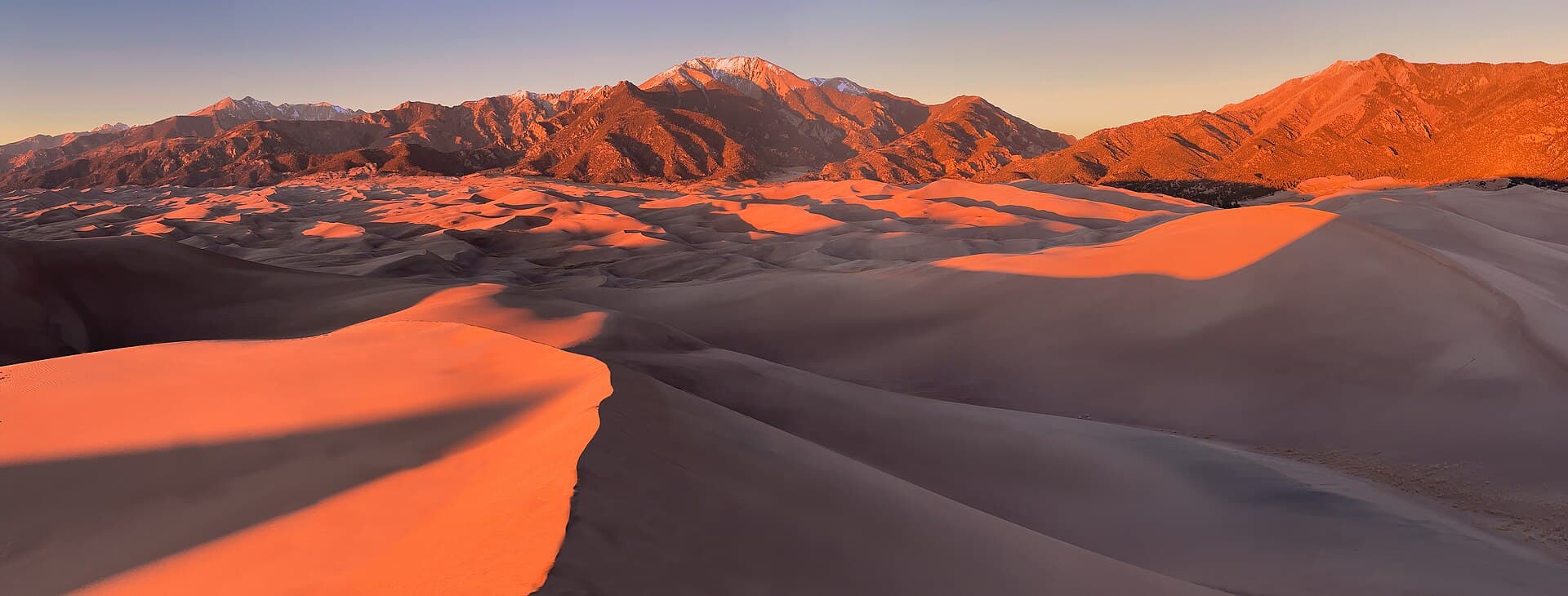
Great Sand Dunes Backcountry Permit
Great Sand Dunes National Park · Colorado
Two very different trips on one permit: at-large camping in the dunefield, capped at 20 permits a day, or a numbered site on the Sand Ramp Trail.
70% of the openings our scanner caught on Great Sand Dunes Backcountry were gone within 5 minutes.
Plan the full trip, not just the permit
Build your full itinerary start to finish
Add your dates and get a day-by-day plan: what needs a permit, what gear to bring, and one link to share with your whole group to coordinate every step.
No permit needed to start
Great Sand Dunes Backcountry Quick Facts
Great Sand Dunes Backcountry Permit Facts
- As of September 2026, Great Sand Dunes Backcountry in Great Sand Dunes National Park, Colorado requires a permit issued via reservation.
- The Great Sand Dunes Backcountry route covers 11.6 miles, rated moderate.
- Cancelled Great Sand Dunes Backcountry permits are re-released on the booking system; PermitSnag monitors availability and alerts watchers when dates open.
Key Information
Permit Details
Pro Tips
- •Your parking lot is assigned from your first night's location. Request a different one 7 or more days ahead if you need it, and know it is not guaranteed.
- •Once your parking request is granted, the permit locks. No changes after that.
- •Sand stakes or rocks. Regular tent stakes pull straight out of dune sand.
- •Sand Creek is the only place in the backcountry with a legal fire ring, and its bear box is mandatory.
What to Expect
Route Details
Highlights
- •20 permits per day for at-large dunefield camping, six people maximum per permit
- •Seven designated Sand Ramp sites from 1.0 to 11.6 miles out, six people each
- •An hour of climbing loose sand before you are legally allowed to camp
- •A parking lot assigned to you based on where you sleep the first night
- •Seasonal water only. The park recommends a gallon per person per night
Best Time to Visit
Late spring and early fall. Summer afternoons on the sand are dangerously hot and the Sand Ramp Trail sites at 9,240 feet hold snow into late spring.
Hazards & Considerations
- !Sand surface temperatures that can exceed 150F on summer afternoons
- !Lightning on the exposed dunefield, which has no shelter of any kind
- !Disorientation after dark, because dunes look identical and your tracks blow away
- !Seasonal water sources that may be dry when you arrive
- !Cold nights and wind at 8,000 to 9,240 feet
Weather Forecast
Trailhead (5,000 ft)
Backcountry Tips
- Day 4: Freezing temps at elevation. Bring insulation even if warm below.
Today
58°
50°
53%
Thu
62°
50°
51%
Fri
62°
49°
43%
Sat
67°
46°
27%
Sun
67°
51°
Mon
62°
51°
53%
Tue
59°
51°
53%
How to Get This Permit
Create a Recreation.gov account
Sign up at Recreation.gov if you don't have an account. Have your payment info ready.
Know the release schedule
Permits typically release on a rolling basis. Check the specific release time for your desired dates.
Be ready when permits drop
Log in a few minutes early. Have your dates, group size, and payment ready to go.
Monitor for cancellations
If your dates are sold out, people cancel all the time. Set up PermitSnag alerts to catch openings instantly.
When to Go
Conditions
Medano Creek runs, the sand is cool, and the high Sand Ramp sites may still be snowed in.
Crowd Level
HighAdvantages
- +Cool sand surface
- +Medano Creek flowing
- +Best light of the year
Challenges
- !Wind
- !Snow on the upper Sand Ramp Trail
- !Spring break and Memorial Day crowds
Difficulty Assessment
Fitness and endurance required
Climbing, scrambling, or specialized skills
Route finding and trail clarity
Difficulty of bailing out mid-route
Best For
Anyone willing to carry water and climb an hour of loose sand for a night with no neighbors.
Recommended Experience
None for the dunefield night. The far Sand Ramp sites at 10 and 11.6 miles want real backpacking fitness.
Not Recommended For
People expecting a trail in the dunefield, or anyone who cannot navigate back to a car in a landscape with no fixed landmarks.
About This Permit
Great Sand Dunes issues one backcountry permit that covers two very different trips. Dunes Backcountry is non-designated camping anywhere in the 30 square mile dunefield west of the high ridge and beyond the day use area, capped at 20 permits per day for groups of no more than six. Sand Ramp Trail camping is at seven designated sites, each holding six people, marked by a metal arrowhead post you must camp within 50 feet of.
Permits are available year round on a rolling three month window, released at 7:00 am Pacific each day. There are no first-come first-served permits at the park, though same-day reservations are possible if quota remains.
The Experience
Why It Matters
There is almost nowhere else in the country where a park lets you sleep in open sand with no designated site, no fire ring and no neighbor. The park caps the dunefield at 20 permits a day and asks only that you get past the first ridgeline, which is the difference between a novelty and real solitude.
The Route
The dunefield trip is short and brutal. Walk past the day use area, climb the first high ridge, and keep going until you see no structures and no roads. The Park Service asks for a minimum of one hour of climbing to reach the top of the first ridge and at least 1.5 miles west of the Medano Creek bed. Set up in a low flat area away from vegetation.
The Sand Ramp Trail is the other half of this permit and it is a normal trail. Buck Creek sits 1.0 mile from the Amphitheater lot. From the Horse Parking Lot it is 2.8 miles to Escape Dunes, 4.1 to Indian Grove, 5.0 to Little Medano, 7.0 to Aspen, 10.1 to Cold Creek and 11.6 to Sand Creek. Aspen sits at 9,240 feet, the highest designated backcountry site in the park.
Your parking lot is assigned from where you sleep the first night, which is unusual and worth knowing before you book.
The Feeling
Climbing dunes with a full pack is the most tiring easy mile you will ever walk. Then you crest the ridge and everything man-made disappears at once. The wind erases your tracks by morning, the sand holds the day's heat, and the sky at 8,000 feet is thick with stars.
Trailhead Information
Dunes Parking Area
Main lot and the standard start for a dunefield backcountry night.
Before you rely on this water
Water fill stations are available in the developed area. Backcountry water sources are seasonal, so the park recommends carrying a gallon per person per night.
Parking
Your parking lot is assigned based on where you camp the first night. You can request a different lot 7 or more days ahead and staff will tell you if it is granted.
Getting There
North on Colorado Highway 150 into the park. Paved.
Nearest Services
Alamosa, 37 miles away, has fuel, groceries and lodging.
Sand Ramp Trailhead (Horse Parking Lot)
Start for the numbered Sand Ramp Trail sites from Escape Dunes out to Sand Creek.
Before you rely on this water
No potable water at the horse lot. Creeks along the Sand Ramp Trail are seasonal and must be boiled or treated.
Parking
Horse trailer lot doubles as the Sand Ramp backpacker lot when assigned.
Getting There
Short spur off the main park road past the campground.
Nearest Services
Alamosa.
Rules & Regulations
- •Dunes Backcountry camping must be beyond the highest ridgeline, out of sight of any structures or roads, and at least 1.5 miles west of the Medano Creek bed
- •Sand Ramp Trail camping must be within 50 feet of the metal arrowhead post at a designated site
- •Six people and two vehicles per permit, with a maximum of 14 nights per permit holder
- •No trenching around tents, and no pets, hammocks or glass containers
- •Gas stoves only. No campfires except in the metal fire ring at the Sand Creek designated site
- •Use a bear-proof container or hang food in a Kevlar bag 10 feet up and 5 feet out. The bear box at Sand Creek is mandatory there
- •Bury human waste 6 inches deep and 200 feet from water and trails, and pack out toilet paper
Gear Checklist
Required
- A gallon of water per person per night, since sources are seasonal
- Sand stakes or rocks. Standard stakes do not hold in dune sand
- A free-standing tent for the dunefield
- Gas stove, because campfires are prohibited everywhere except the Sand Creek fire ring
- Bear canister or a Kevlar hang bag with rope
Recommended
- Gaiters, which keep about half the dunefield out of your boots
- Sunglasses and a buff for blowing sand
- Warm bag. Nights at 8,000 feet and up get cold in every season
- Trekking poles for the ridge climb with a full pack
Plan Your Trip
Gear Checklist
Required and recommended gear for Great Sand Dunes Backcountry
Shuttle Services
Trailhead transportation options
Browse all shuttlesGuide Services
Experienced wilderness guides
Browse all guidesSome links may be affiliate links. Purchases support PermitSnag at no extra cost to you.
Key Landmarks
Dunes Parking Area
Main lot and the start of the dunefield climb.
First high ridge
The line you have to be past to camp. Plan a minimum of one hour of climbing to reach it.
Buck Creek
Designated Sand Ramp site, 1.0 mile from the Amphitheater Parking Lot.
Escape Dunes
Designated site 2.8 miles from the Horse Parking Lot, where the dunes overrun the trail.
Indian Grove
Designated site with a privy, 4.1 miles from the Horse Parking Lot.
Little Medano
Designated site 5.0 miles along the Sand Ramp Trail.
Aspen
At 9,240 feet, the highest designated backcountry site in the park.
Cold Creek
Designated site 10.1 miles from the Horse Parking Lot.
Sand Creek
The far end of the Sand Ramp Trail, with a bear box and the only legal fire ring in the backcountry.
Safety & Planning
Great Sand Dunes Backcountry FAQ
How do I get a Great Sand Dunes backcountry permit?
Reserve it on Recreation.gov permit 4675316. Permits open on a rolling three month window at 7:00 am Pacific each day. There are no first-come first-served permits at the park, but same-day reservations are possible when quota remains.
How many Great Sand Dunes backcountry permits are issued per day?
Recreation.gov states the Dunes Backcountry non-designated area allows 20 permits per day for groups of no more than six. The seven Sand Ramp Trail designated sites allow six people per site.
Where can I camp on a Great Sand Dunes backcountry permit?
In the dunefield you must camp past the day use area and beyond the first high ridgeline, at least 1.5 miles west of the Medano Creek bed, out of sight of roads and structures. On the Sand Ramp Trail you camp within 50 feet of the metal arrowhead post at your reserved site.
Can I have a campfire on a Great Sand Dunes backcountry permit?
Only in the metal fire ring at the Sand Creek designated site. Everywhere else it is gas stoves only.
How much does the Great Sand Dunes backcountry permit cost?
A $6 non-refundable reservation fee per permit. There is no per-person recreation fee on this permit. The park entrance fee is separate.
👥Community
Trail Conditions
No active conditions reported
Sign in to report trail conditions.
Questions
No questions yet
Be the first to ask about Great Sand Dunes Backcountry.
Trip Reports
Write ReportNo trip reports yet
Be the first to share your experience at Great Sand Dunes Backcountry.
Write the First ReportPhotography Guide
Golden Hour
First and last light rake the dune ridgelines into hard edges. Twenty minutes either side of the sun touching the Sangre de Cristos is the window.
Best Light
Midday flattens the dunes completely. Shoot early, shoot late, or shoot the night sky.
Beat the Crowds
Everyone stops at the first ridge for the view and turns around. Walk twenty more minutes west and you have the dunefield to yourself.
Classic Shots
- 📍Dune ridgelines at sunrise with the Sangre de Cristos behind
- 📍A single tent on open sand with no tracks around it
- 📍Star trails over the dunefield
- 📍Medano Creek braiding across the sand flats in late spring
Can't Get a Great Sand Dunes Backcountry Permit?
Consider these alternatives if your preferred dates aren't available.
Death Valley Cottonwood-Marble loop
Similar ExperienceThe other big sand and canyon permit, with seasonal springs and a 4x4 approach.
Tradeoffs
Much longer and lower, and the season is winter instead of summer.
Black Canyon South Rim routes
Same AreaColorado's other small-quota wilderness permit, two hours west, with a published cap per route.
Tradeoffs
One mile instead of eleven, but 1,800 feet of loose scree to get there.
Rocky Mountain wilderness camping
Similar ExperienceColorado alpine backcountry on a designated-site system with far more inventory.
Tradeoffs
Higher, colder and far more competitive in summer.
Where to Stay
Nearby campgrounds to complete your Great Sand Dunes Backcountry trip
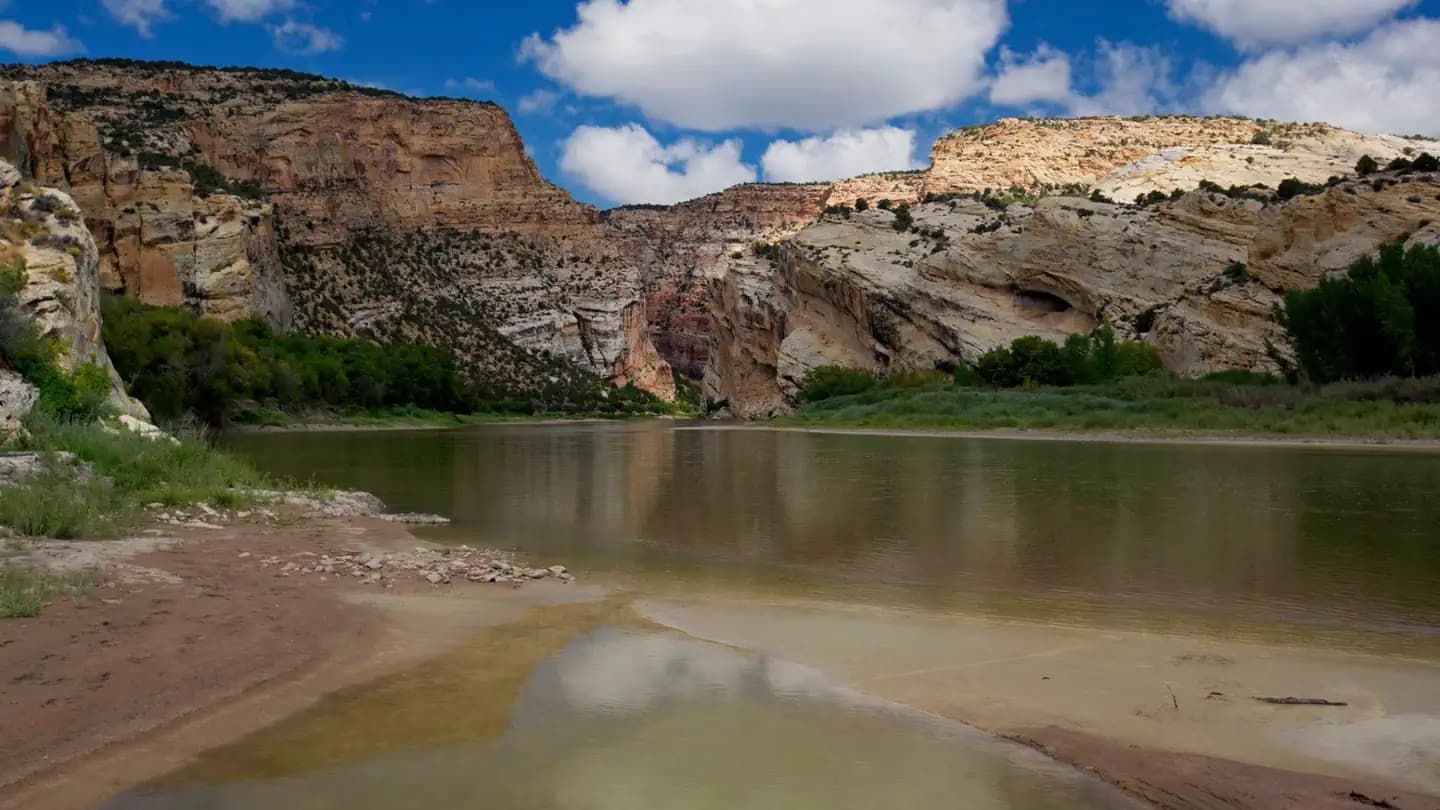 Very HardIn Demand8 sites
Deerlodge Park Campground
Dinosaur National Monument
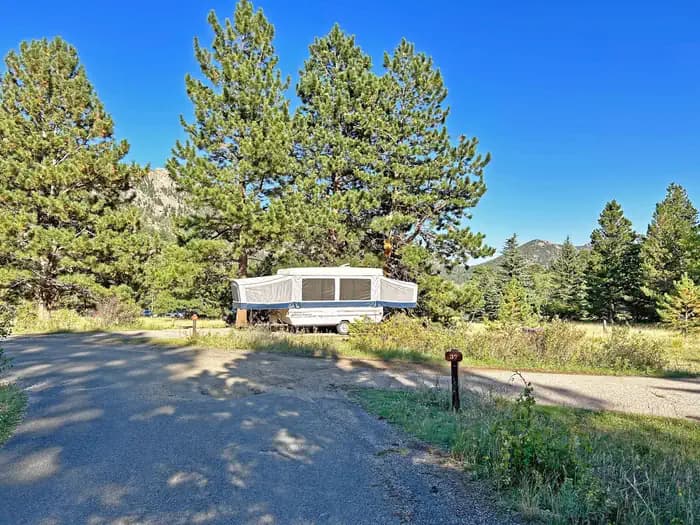 Very HardIn Demand55 sites
Rocky Mountain National Park Aspenglen Campground
Rocky Mountain National Park
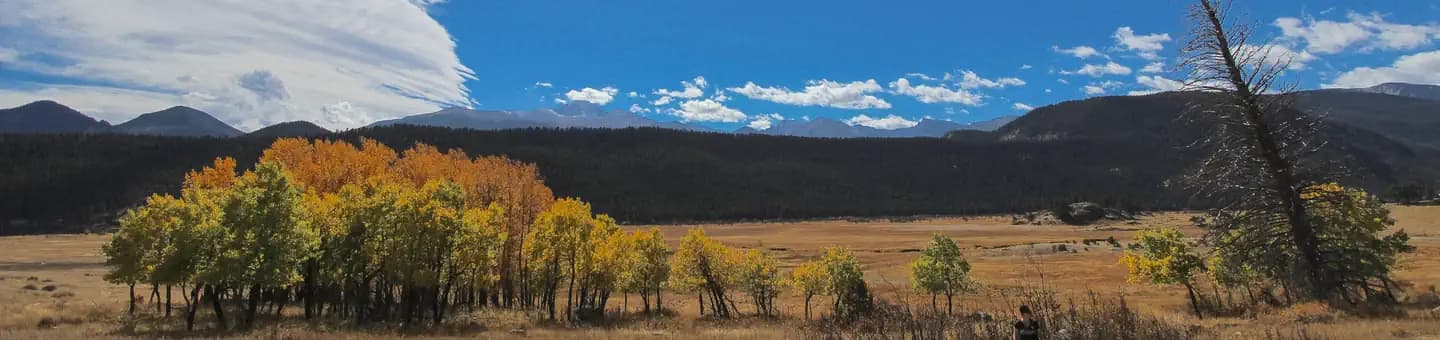 Very HardIn Demand147 sites
Rocky Mountain National Park Glacier Basin Campground
Rocky Mountain National Park
A small favor
One tick helps us more than you’d think
Google lets you pick the sites it highlights for you. Add PermitSnag and our permit pages get marked as one of yours in AI Overviews and AI Mode.
Takes less than a minute.