Havasupai Gardens Campground Permit: Route
Havasupai Gardens Campground permits get cancelled and re-released through the season in Grand Canyon National Park, and they are drawn by lottery to begin with. The route covers 4.5 miles.
Half the descent to the river, a ranger station, cottonwood shade and a tap - Havasupai Gardens is the night that turns a brutal day hike into a trip you can actually enjoy.
This guide covers the Havasupai Gardens Campground permit.
$10 per permit or lottery application, plus $15 per person per night below the rim. Park entrance fees are paid separately on arrival.
Permit Cost
2 days
Duration
4.5 miles
Distance
3,060'
Elevation Gain
strenuous
Difficulty
About Havasupai Gardens Campground
Havasupai Gardens is the campground partway down the Bright Angel Trail - the one that makes a Grand Canyon backpack humane instead of heroic. The park's trail-distance table puts it 4.5 miles below the South Rim at 3,800 feet; its campsite-information page and the Recreation.gov permit both say 4.8. The climb back to the 6,860-foot trailhead is 3,060 feet either way. The park publishes 15 small group sites and 1 large group site, with a ranger station, emergency phone, toilets and piped water, and every site has a picnic table, a pack pole and a metal food storage can. The name changed in November 2022. The US Board of Geographic Names voted unanimously on the NPS's request, made on behalf of the Havasupai Tribe, to rename Indian Garden to Havasupai Gardens. The campground code on your permit is still CIG. Getting a night here means a Grand Canyon backcountry permit through Recreation.gov. Applications open on the 16th and close at 5 pm MST on the 1st, four months before your start month; up to 750 applicants get a timeslot to build an itinerary, and everyone else gets access on the 1st of the following month. Two nights maximum per campground per hike, or four between November 15 and February 28. A handful of last-minute in-person permits exist for this campground between March 1 and November 30 - one night only, and no earlier than the day before you start. Water here comes off the Transcanyon Waterline, and the park publishes a live per-location status on its Key Hiking Messages page precisely because, in its own words, these statuses are current but can change suddenly due to breaks in the waterline. On August 9, 2026 that page read water ON at Havasupai Gardens and both Bright Angel Trail resthouses, and water OFF due to pipeline break at Bright Angel Campground, Cottonwood and Manzanita. Read it the morning you leave, and carry treatment regardless - the park's own instruction is that day and overnight hikers should always carry water treatment options.
The place was Ha'a Gyoh long before it was a campground. The Havasupai farmed the springs here, and the Park Service pushed them out - the last Havasupai resident, Captain Burro, was forcibly removed in 1928. In November 2022 the US Board of Geographic Names voted 19-0 on a request the NPS submitted on behalf of the Havasupai Tribe, and Indian Garden formally became Havasupai Gardens. You will still see the old name on trail signs, in old guidebooks, and in the campground code CIG on your permit.
The Havasupai Gardens Campground route
- Distance
- 4.5 miles
- Route type
- out-and-back
- Elevation gain
- 3,060 ft
- High point
- 6,860 ft
- Low point
- 3,800 ft
- Trip length
- 2 days
- Difficulty
- strenuous
Starts at Bright Angel Trailhead
Colorado Plateau. Nearest town: Grand Canyon Village, AZ
Points along the route
- Bright Angel TrailheadMile 0, 6,860 ft
- Mile-and-a-Half ResthouseMile 1.5, 5,729 ft
- Three-Mile ResthouseMile 3, 4,748 ft
- Havasupai Gardens CampgroundMile 4.5, 3,800 ft
- Plateau Point3,790 ft
Havasupai Gardens Campground permit detailsandAll Grand Canyon National Park permits
The Experience
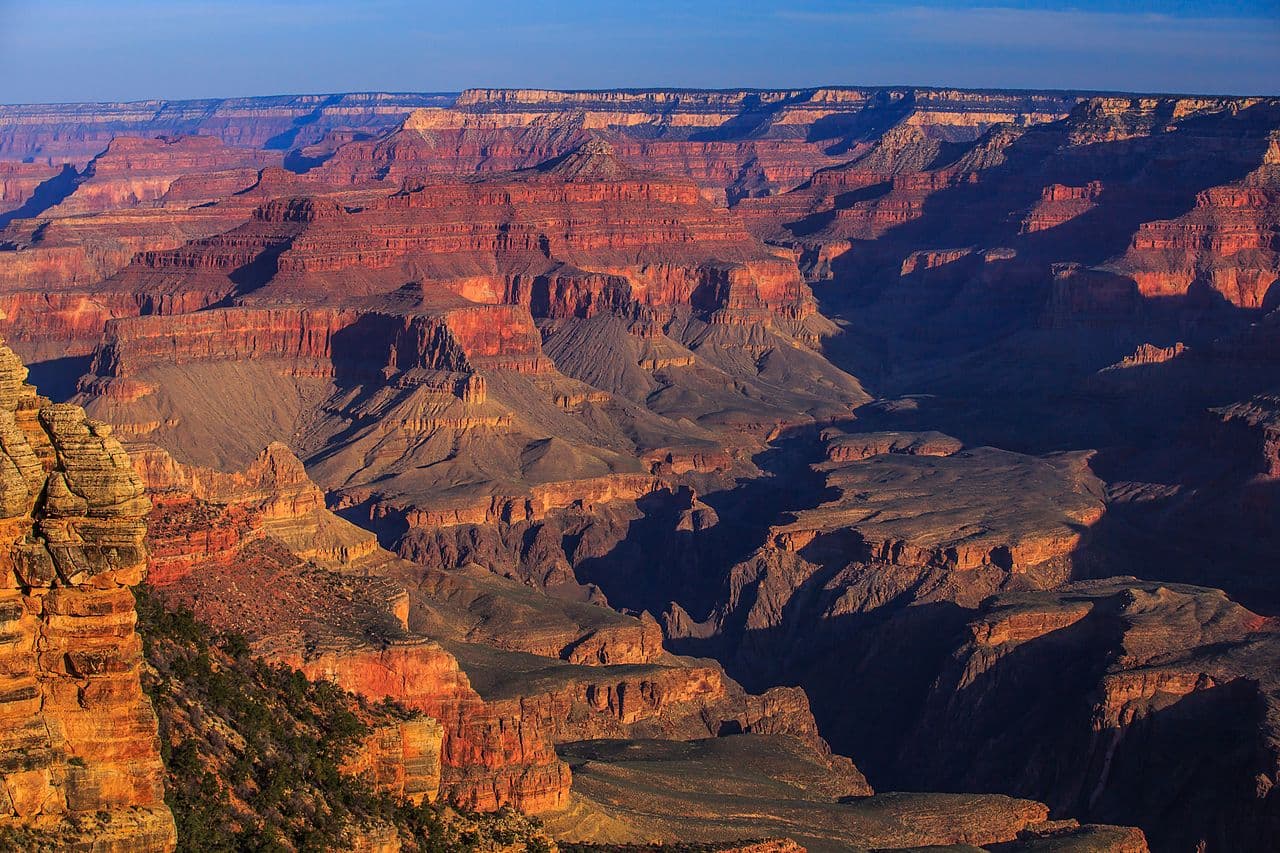
You drop out of the switchbacks and the noise changes. There are big cottonwoods, running water in Garden Creek, picnic tables and a roof over the ranger station - the first shade of any consequence since the rim. Sit down and the walls go up 3,000 feet on three sides, and the rim you started from is a thin line you have to tilt your head back to see.
It is 4.5 miles from the Bright Angel Trailhead at 6,860 feet down to 3,800 feet, per the park's trail-distance table - though the campground page and Recreation.gov both put it at 4.8. Either way the climb out is 3,060 feet. The trail follows the Bright Angel Fault into a side canyon, which is why it has the only shade and the only taps of the three corridor trails. Mile-and-a-Half Resthouse comes first, then Three-Mile, then the long series of switchbacks called Jacob's Ladder, and then the ground flattens and the cottonwoods start.
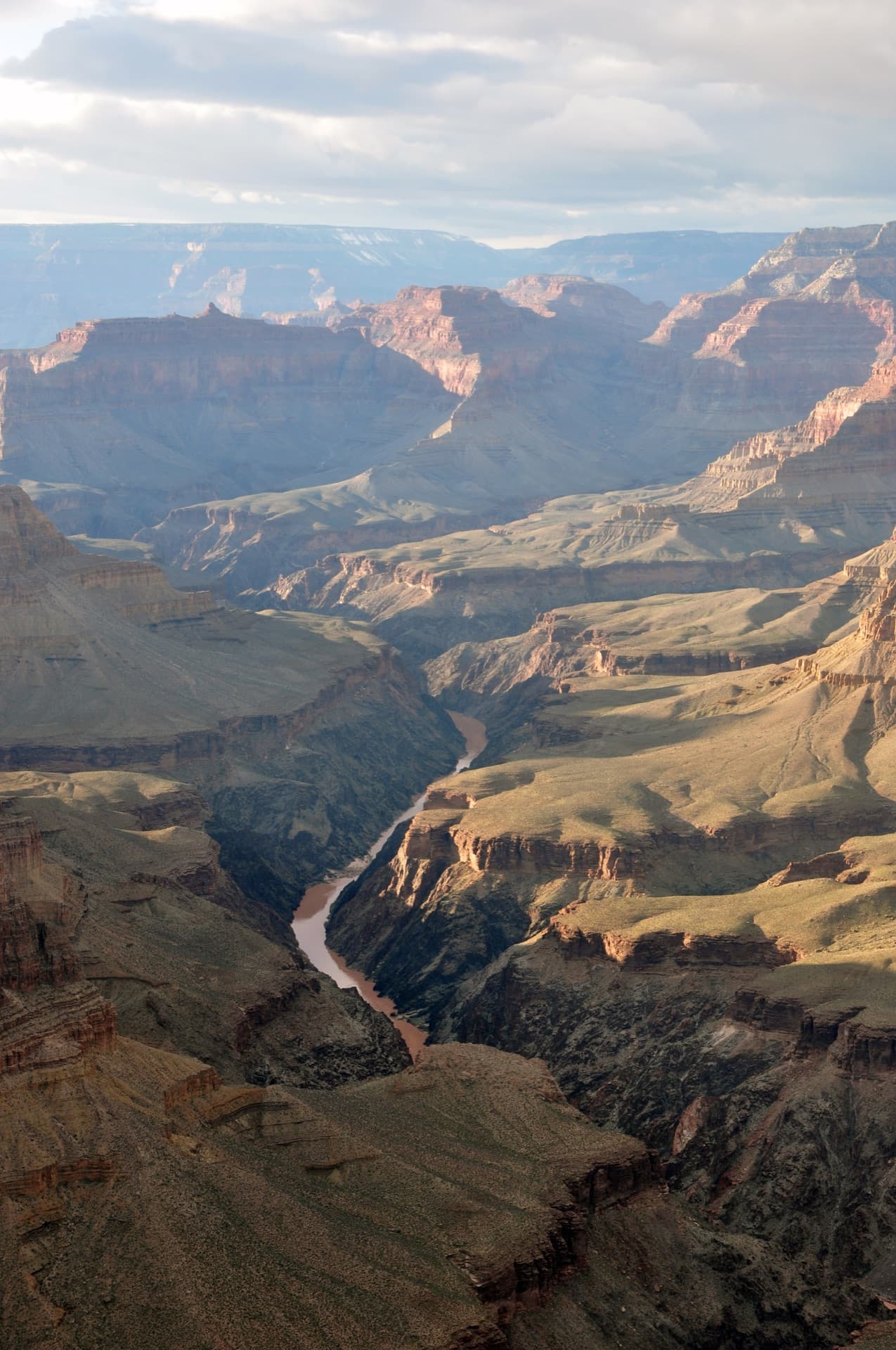
From camp, Plateau Point is the classic evening walk - 1.5 miles out across the Tonto Platform to a railing above the inner gorge, with the Colorado River 1,300 feet below you. The Tonto Trail runs east from here to the Tip Off and the South Kaibab. The park listed both the Plateau Point Trail and the Tonto from the Tip Off as open on 2026-08-09.
What to Expect
4.5 miles below the South Rim by the park's trail-distance table, 4.8 by its campground page and Recreation.gov
A 3,060-foot climb back out, on the only corridor trail with shade
15 small group sites and 1 large group site; no stock
Ranger station, emergency phone, toilets, picnic tables, pack poles and metal food storage cans
Plateau Point is a 1.5-mile walk from camp with no water and no shade
Two nights maximum per campground per hike; four between November 15 and February 28
Last-minute in-person permits for this campground exist only March 1 to November 30
Get Havasupai Gardens Campground Alerts
Be first to know when cancellations happen.
Permit Requirements
A backcountry permit is required and must be in your possession while below the rim
Groups larger than eleven people may not camp in the same campground or use area; the park issues more permits for small groups (1-6) than large groups (7-11)
No more than four large groups or eight small groups affiliated with each other may camp in the backcountry on the same night
Two nights maximum per campground per hike, or four nights in the Corridor between November 15 and February 28
Wood and charcoal fires are prohibited; fossil-fuel backpacking stoves are allowed
Store all food and scented items in the metal cans provided - ringtails and squirrels here are practised thieves
Pack out all trash, including toilet paper
Pets are not allowed below the rim
Trip leaders must be 18 or older to apply for a backcountry permit
Gear & Preparation
Required Gear
- •At least 3 litres of water capacity per person, and a filter or chemical treatment as backup
- •Electrolytes - the park names hyponatremia from drinking without replacing salt as a real risk on this trail
- •Sun hat, long sleeves and sunscreen
- •Headlamp, because a pre-dawn start is the only sensible way to do this in summer
- •Traction devices from roughly December through February, when the top two miles ice up
Recommended Gear
- •Trekking poles for the 3,060-foot climb out
- •A shirt or bandana you can soak - the park's own heat advice is to get wet and stay wet
- •Camp sandals for Garden Creek
- •Rain shell for the July-September monsoon
Hazards & Safety
Heat. The park's instruction for summer is blunt: do not hike between 10 am and 4 pm
Hyponatremia from drinking large volumes of water without replacing salt
Waterline breaks. Every tap on this trail depends on the Transcanyon Waterline and the park shuts them off without notice; check Key Hiking Messages the morning you start
Monsoon thunderstorms and flash flooding in side canyons, July through September
Ice on the upper two miles of switchbacks in winter
The climb out takes roughly twice as long as the descent
Best Time to Visit
March-May and September-November. The rim is cool, the campground is comfortable, and the climb out is survivable in daylight. Summer works only if you are on the trail before dawn and off it by 10 am. Winter is quiet and gets you the four-night Corridor limit from November 15 to February 28, but expect ice on the top two miles and carry traction.
Pro Tips
Havasupai Gardens is usually easier to draw than Bright Angel Campground, and it splits the climb out in half - book it as the second night of a river trip, not just as a destination.
Read the park's Key Hiking Messages page the morning you leave the rim. It lists water on or off at each corridor tap, and it changes without warning when the waterline breaks.
Applying as a party of six or fewer gets you into a much larger pool of sites; the park issues more permits for 1-6 people than for 7-11.
Walk to Plateau Point after dinner rather than at midday. It is exposed the whole way and the light is better anyway.
In winter, carry traction. The top two miles of the Bright Angel ice up hardest from December through February.
100+ wilderness permits, extensive backcountry experience
This guide is based on personal experience obtaining wilderness permits and is regularly updated to reflect current policies and strategies.
Frequently Asked Questions
How do I get a Havasupai Gardens Campground permit?
+
Two ways. Cancelled Havasupai Gardens Campground permits return to the booking system through the season, and PermitSnag alerts you the moment one opens. The other way is the lottery, so apply during the application window as well.
When is the best time to visit Havasupai Gardens Campground?
+
March-May and September-November. The rim is cool, the campground is comfortable, and the climb out is survivable in daylight. Summer works only if you are on the trail before dawn and off it by 10 am. Winter is quiet and gets you the four-night Corridor limit from November 15 to February 28, but expect ice on the top two miles and carry traction.
How long is the Havasupai Gardens Campground route?
+
The route is 4.5 miles, as an out-and-back. Plan on 2 days.
How difficult is the Havasupai Gardens Campground route?
+
Fit hikers who want a night below the rim without committing to the river. If you can manage a 3,060-foot climb with a pack over 4.5 miles, this works.
Where does the Havasupai Gardens Campground route start?
+
Bright Angel Trailhead.
What if I don't win the Havasupai Gardens Campground lottery?
+
Cancelled permits return to the booking system through the season. PermitSnag watches Havasupai Gardens Campground and alerts you when one opens, so a lost draw is not the end of the trip.
Don't Miss Your Havasupai Gardens Campground Permit
Cancellations happen every day. PermitSnag monitors Havasupai Gardens Campground availability 24/7 and alerts you the moment a spot opens up.
Get Permit Alerts