Walk-Up7/10
Mt. Hood Paradise Park Loop permit
12-mile loop from Timberline Lodge through Mount Hood's famous wildflower meadow...
Circle Oregon's most iconic peak on a 41-mile loop through alpine meadows, past cascading waterfalls, and across glacial rivers on the flanks of Mount Hood.
“Circumnavigate Oregon's highest peak on a CCC-era trail through wildflower meadows, past glaciers, and across roaring glacial rivers.”
Timberline Trail is issued by the agency rather than through a booking calendar. Their page has the current process and any dates.
Official permit pagePlanning another trip? See the permits we watch.
Timberline Trail is issued by the agency rather than through a booking calendar. Their page has the current process and any dates.
Official permit pagePlanning another trip? See the permits we watch.
Build your full itinerary start to finish
Add your dates and get a day-by-day plan: what needs a permit, what gear to bring, and one link to share with your whole group to coordinate every step.
No permit needed to start
You get this permit in person at the trailhead or ranger station, or by phone. There is no online reservation to race for, so availability alerts do not apply. We still track key dates and season info for your trip.
Official permit page →Late July through September. Early July may have lingering snow and dangerous river levels. August offers peak wildflowers. September has lower river levels and fewer crowds but shorter days.
Trailhead (3,250 ft)
Backcountry Tips
Today
58°
46°
Sun
50°
41°
83%
Mon
59°
41°
Tue
58°
39°
Wed
66°
43°
Thu
68°
47°
Fri
70°
49°
This permit is not sold online. Confirm where and when it is issued — and any fee — at U.S. Forest Service before your trip.
Walk-up permits are issued first-come, first-served, and quotas can fill early on weekends and holidays.
Popular trailheads may be full. Know alternative routes or dates in case your first choice is unavailable.
Fitness and endurance required
Climbing, scrambling, or specialized skills
Steep dropoffs and fall potential
Route finding and trail clarity
Difficulty of bailing out mid-route
Experienced backpackers comfortable with river crossings and Pacific Northwest conditions.
Should have experience with river fording and multi-day backpacking in mountain environments.
Those uncomfortable with cold water crossings or unpredictable weather.
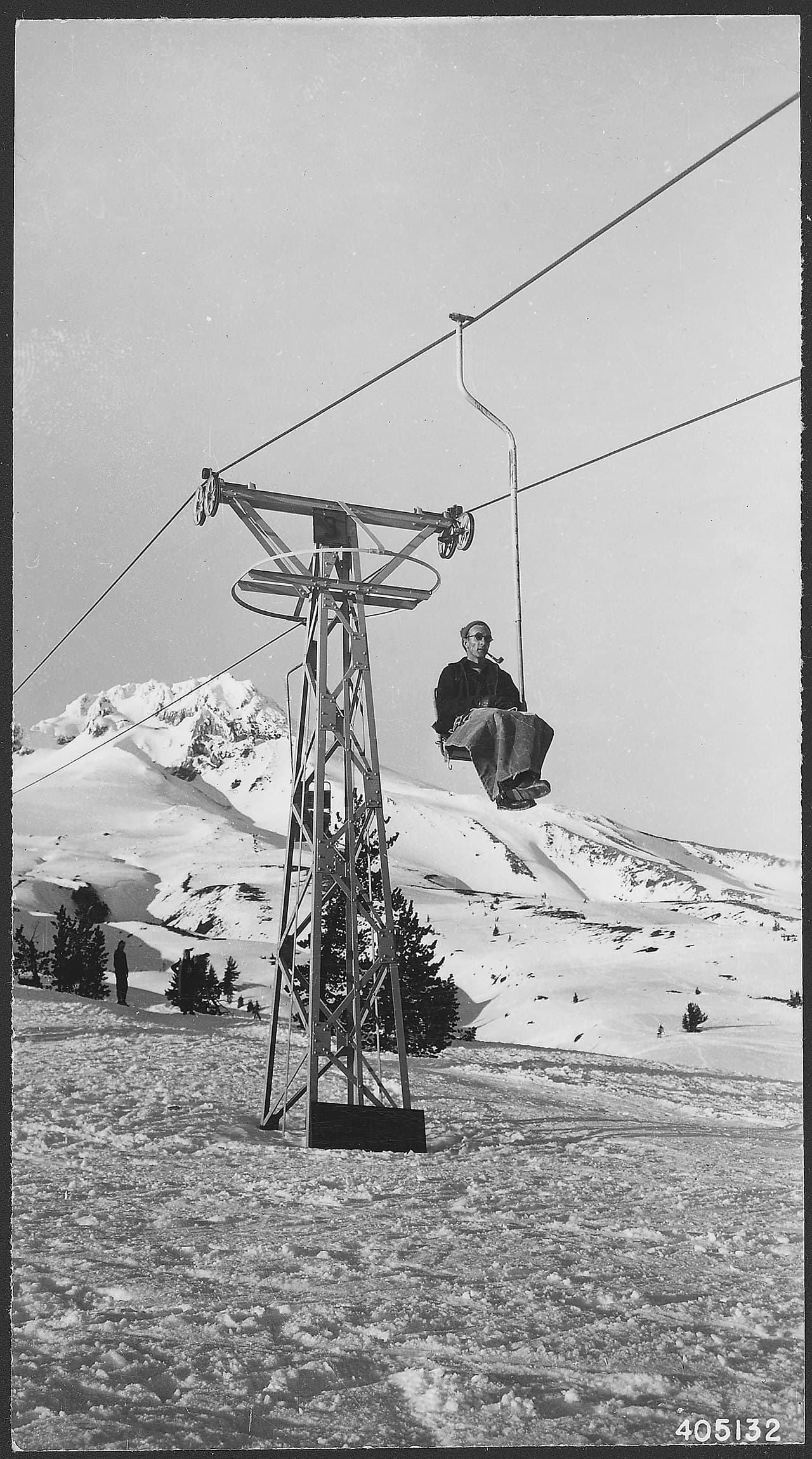
The Timberline Trail is a 41-mile loop circumnavigating Mount Hood in Oregon's Cascade Range. Built by the Civilian Conservation Corps in the 1930s, the trail follows the mountain's treeline through alpine meadows, past eleven glaciers, and across numerous glacial rivers.
The trail gains approximately 10,000 feet of cumulative elevation and includes several challenging river crossings that require careful timing and route-finding.
Built in the 1930s by the Civilian Conservation Corps, the Timberline Trail has become the Pacific Northwest's premiere volcano circumnavigation. It encircles Mount Hood at treeline, offering intimate views of eleven glaciers, dramatic alpine meadows, and the historic Timberline Lodge. For Oregon hikers, completing the Timberline Trail is a rite of passage.
Most hikers begin at Timberline Lodge, walking clockwise to tackle the challenging western drainages with fresh legs. The first miles descend through Zigzag Canyon—800 feet down and 800 feet up—before reaching the wildflower paradise of Paradise Park.
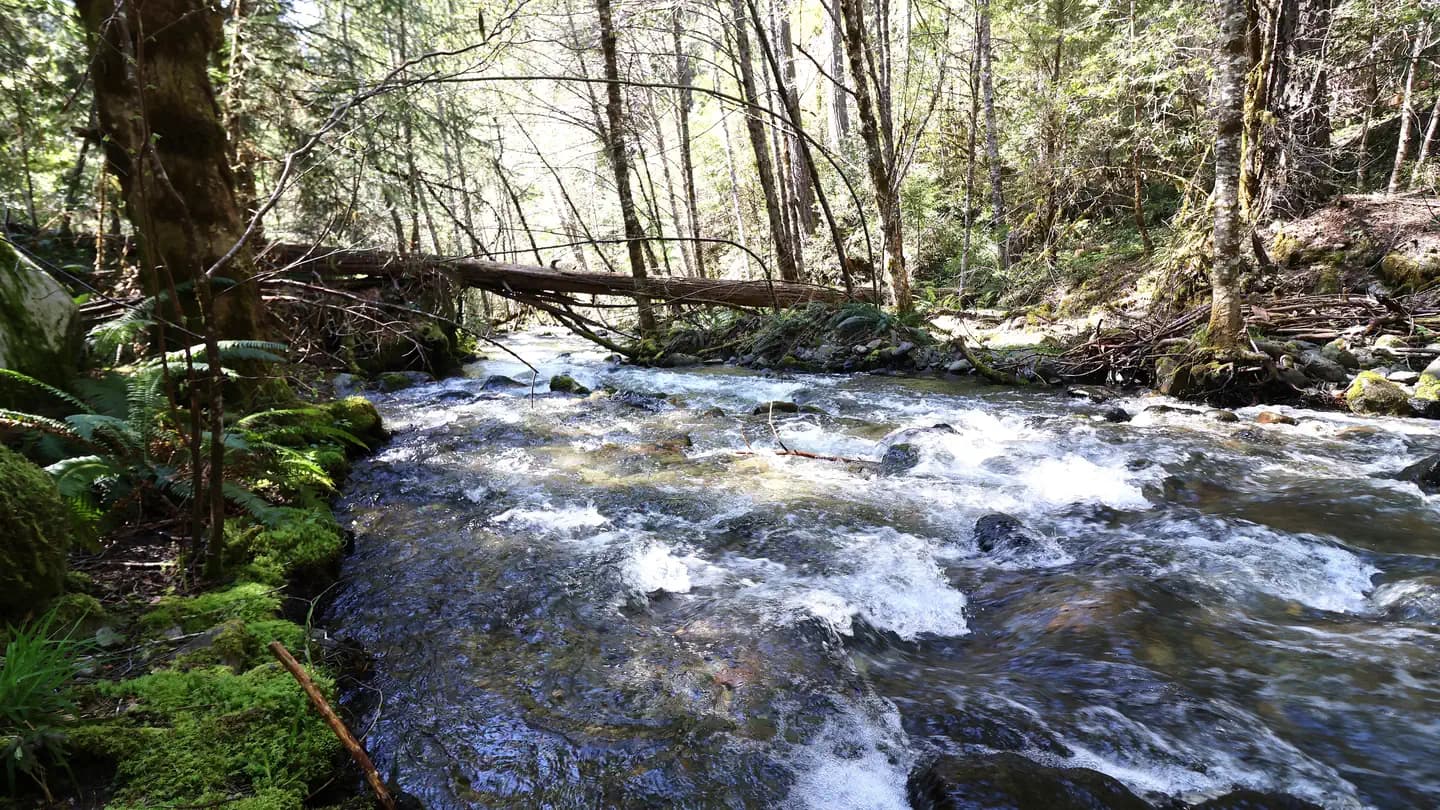
Ramona Falls appears at mile 12, a 120-foot veil of water cascading over basalt columns. Beyond lies the challenging western drainage crossings: the Sandy River, Muddy Fork, and Ladd Creek, each swelling with glacial melt by afternoon.
The north side traverses the 1980s-era blast zone remnants before reaching Elk Cove, perhaps the trail's most spectacular meadow. The eastside passage past Cloud Cap offers views of Eliot Glacier before the final push across White River and Newton Creek back to the Lodge.
Mount Hood is your constant companion for 41 miles—sometimes towering directly above through a gap in the trees, sometimes glimpsed across a flowering meadow, always present. The trail dips in and out of glacial drainages, crossing rivers that swell and recede with the temperature. You wake before dawn to beat the afternoon melt, fording icy streams that will be raging torrents by noon. The reward? Wildflowers by the millions, views that extend to Mount Adams and Mount Jefferson, and the satisfaction of circling one of America's great volcanoes.
Most popular starting point with historic WPA-era lodge, parking, and services.
Large paved lot. No Northwest Forest Pass required (separate Timberline parking fee). Very busy on summer weekends.
From Highway 26, take Timberline Highway 6 miles to the Lodge. Paved road year-round.
Timberline Lodge has restaurant, cafe, and gift shop. Government Camp (6 miles) has full services.
North side access requiring high-clearance vehicle. Less crowded starting point.
Unpaved lot. Northwest Forest Pass required.
Access via FR 3512 from Highway 35. High-clearance vehicle recommended for final miles.
Hood River (25 miles) has full services.
Required and recommended gear for Timberline Trail
Trailhead transportation options
Browse all shuttlesExperienced wilderness guides
Browse all guidesSome links may be affiliate links. Purchases support PermitSnag at no extra cost to you.
Emergency contacts, ranger station locations, and satellite communicator tips for Timberline Trail.
Bear canister requirements, approved container lists, and rental locations for this permit.
Timberline Trail is not sold online. It is issued in person or by phone, so there is no reservation to book and no cancellation to catch. PermitSnag does not send alerts for it — check the official permit page for the current process.
Check with the managing agency for current season dates. Weekdays generally have better availability than weekends.
This permit has a demand score of 8/10, making it highly competitive. We recommend having backup dates and reading the official permit page for how this one is issued.
On this permit there is no cancellation queue and no alert to set, because nothing is re-released onto a calendar we could watch. Bring backup dates, and check the official permit page for the current process and any closures.
No active conditions reported
Sign in to report trail conditions.
No questions yet
Be the first to ask about Timberline Trail.
Sunrise from Paradise Park with alpenglow on Mount Hood is the trail's signature shot. Ramona Falls is best photographed in soft, overcast light to capture water detail.
Morning light illuminates the mountain's east face from Cloud Cap. The wildflower meadows of Paradise Park glow in late afternoon light.
Weekday starts avoid weekend crowds at Timberline Lodge. Paradise Park and Ramona Falls are the busiest sections—camp elsewhere for solitude.
Consider these alternatives if your preferred dates aren't available.
12-mile loop from Timberline Lodge through Paradise Park's famous wildflower meadows.
Captures the best wildflowers without the challenging river crossings.
Day hike or overnight to the trail's most popular waterfall and viewpoint.
Sample the highlights without full circumnavigation.
30-mile loop around Mount St. Helens for a different Pacific Northwest volcano experience.
More rugged volcanic terrain but no permit hassle.
Nearby campgrounds to complete your Timberline Trail trip
A small favor
Google lets you pick the sites it highlights for you. Add PermitSnag and our permit pages get marked as one of yours in AI Overviews and AI Mode.
Takes less than a minute.