Compare
Mt. Whitney permit
Two Mount Whitney permits: the trail day hike is a lottery and the Mountaineer's Route is a reservation.
Inyo National Forest · California
Wilderness permit for the technical Mountaineer's Route to Whitney summit. Different from the main Mt. Whitney Trail lottery - uses North Fork Lone Pine Creek quota. Inyo releases 60% of the quota 6 months ahead and the remaining 40% two weeks ahead, both at 7am Pacific.
70% of the openings our scanner caught on Whitney Mountaineer's were gone within 5 minutes.
Build your full itinerary start to finish
Add your dates and get a day-by-day plan: what needs a permit, what gear to bring, and one link to share with your whole group to coordinate every step.
No permit needed to start
Mount Whitney has several separate permits for different routes and trip lengths. See the Mt. Whitney permit page.
Late spring, when the couloir still holds consolidated snow, is the classic window and falls inside the quota season that opens May 1. Recreation.gov notes the Whitney area is usually snow-free from July to late September, which turns the couloir into loose rock. The non-quota season from November 2 has no quota at all, but Recreation.gov warns that trailhead access may be affected by seasonal road closures.
Whitney Mountaineer's
Trailhead (8,360 ft)
Backcountry Tips
Today
95°
62°
Mon
85°
53°
Tue
87°
60°
Wed
87°
61°
Thu
87°
61°
Fri
89°
63°
Sat
91°
66°
Sign up at Recreation.gov if you don't have an account. Have your payment info ready.
Permits typically release on a rolling basis. Check the specific release time for your desired dates.
Log in a few minutes early. Have your dates, group size, and payment ready to go.
If your dates are sold out, people cancel all the time. Set up PermitSnag alerts to catch openings instantly.
The quota season opens May 1 and the couloir still holds snow. This is when the route is a snow climb rather than a scramble.
Fitness and endurance required
Climbing, scrambling, or specialized skills
Steep dropoffs and fall potential
Route finding and trail clarity
Difficulty of bailing out mid-route
Climbers comfortable scrambling over the Ebersbacher Ledges and route-finding across granite slabs, who can handle a steep couloir in whatever condition they find it and camp at 12,600 feet.
Route-finding on unmaintained terrain, ice axe self-arrest and crampon technique for snow conditions, comfort on Class 3 rock, and enough altitude experience to sleep at 12,600 feet and climb above 14,000.
Hikers looking for a quieter version of the Whitney Trail. USFS says there is no hiking trail to the summit from Iceberg Lake, and the approach itself is steep and hard to follow.
The Mountaineer's Route is the technical way up the highest peak in the contiguous United States, and the important thing to understand first is that it uses a completely different permit from the famous one. Recreation.gov spells it out on the Mt. Whitney page: climbers planning a multi-day trip approaching the East Face, East Buttress, Mountaineers Route or routes on Mt Russell need the overnight permit for the North Fork of Lone Pine Creek trail, found under the general Inyo National Forest wilderness permits — not the Mt. Whitney lottery. A single-day attempt is the exception and does require the Mt. Whitney Zone Day Use permit.
USFS describes the approach in its own words: the North Fork of Lone Pine Creek trail includes the approach to the Mountaineers Route, the trail is steep and hard to follow as you climb up and scramble over the Ebersbacher Ledges to reach Boy Scout Lakes, parts of the route cross granite slabs requiring route-finding skills, and the trail ends at Iceberg Lake at about 12,600 feet. Above that, there is no hiking trail to the summit and the climbing routes vary in technical difficulty.
The permit itself is a rolling reservation rather than a lottery. Quota season runs May 1 to November 1; outside it, from November 2 to April 30, the number of people per day is unlimited and you book up to two weeks ahead. During quota season, 60% of each trailhead's quota is released six months in advance at 7 a.m. Pacific — an entry date of July 4 opens on January 4 — and the remaining 40% is released two weeks in advance on the same day of the week. Recreation.gov displays "NR" when the 60% is gone and the 40% has not yet dropped. Fees are $6 non-refundable per reservation plus $15 per person for trips entering the Whitney Zone, which includes the North Fork.
Everything is reserved online. Print the permit from your Recreation.gov account before 10 a.m. on your entry date or the reservation is cancelled and your space goes to someone else.
The Mountaineer's Route is the answer to Whitney's crowding problem, and it is a structural answer rather than a lucky one. The famous Mt. Whitney Trail runs its own lottery against a quota of 100 day-use and 60 overnight people per entry day. The Mountaineer's Route does not touch that system at all: it enters on the North Fork of Lone Pine Creek, one entry trailhead among many on the Inyo National Forest wilderness permit, released 60% six months ahead and 40% two weeks ahead. Same summit, different door — and a genuinely harder climb once you are through it.
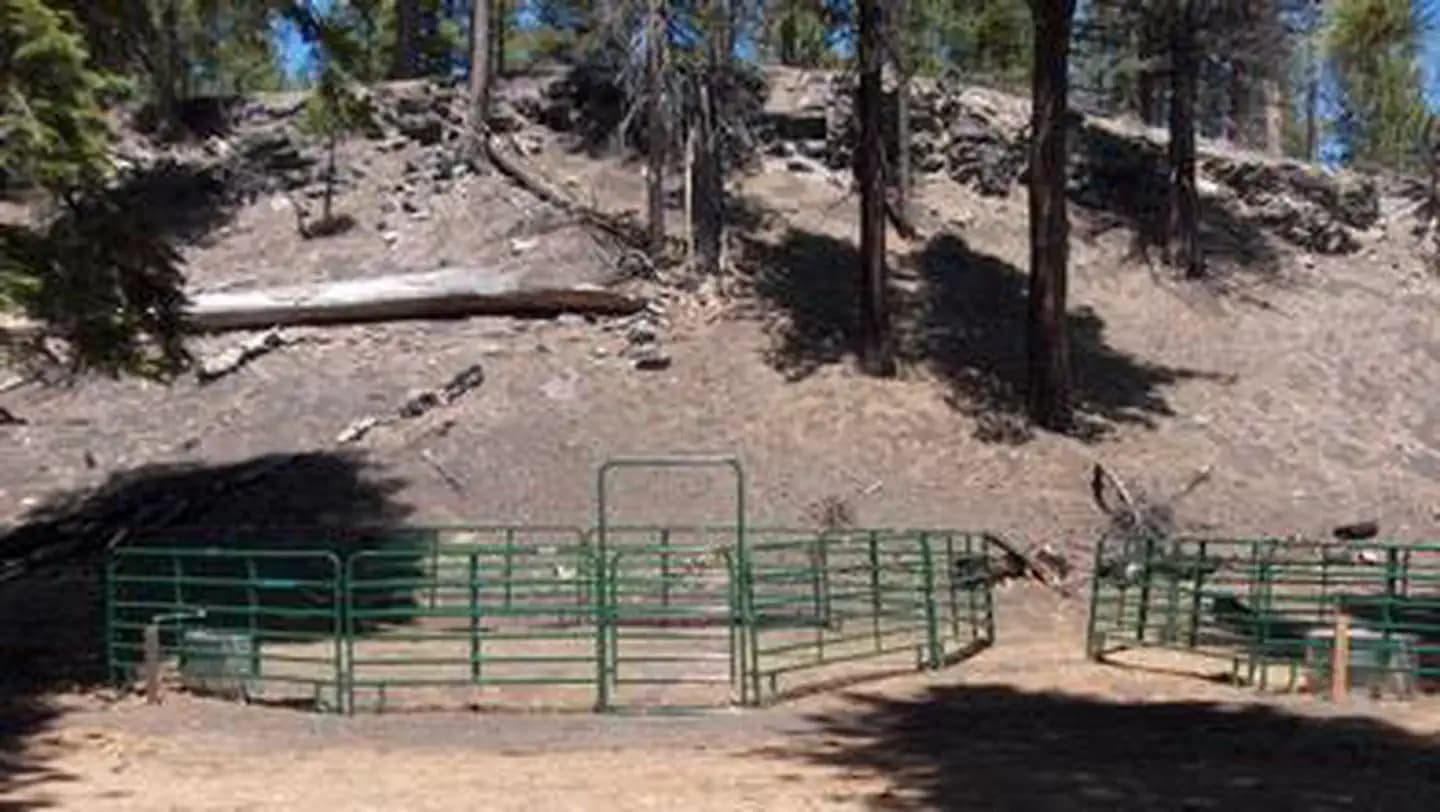
The trailhead for the North Fork of Lone Pine Creek, which is the approach USFS names for the Mountaineer's Route. Recreation.gov puts it at 8,300 feet.
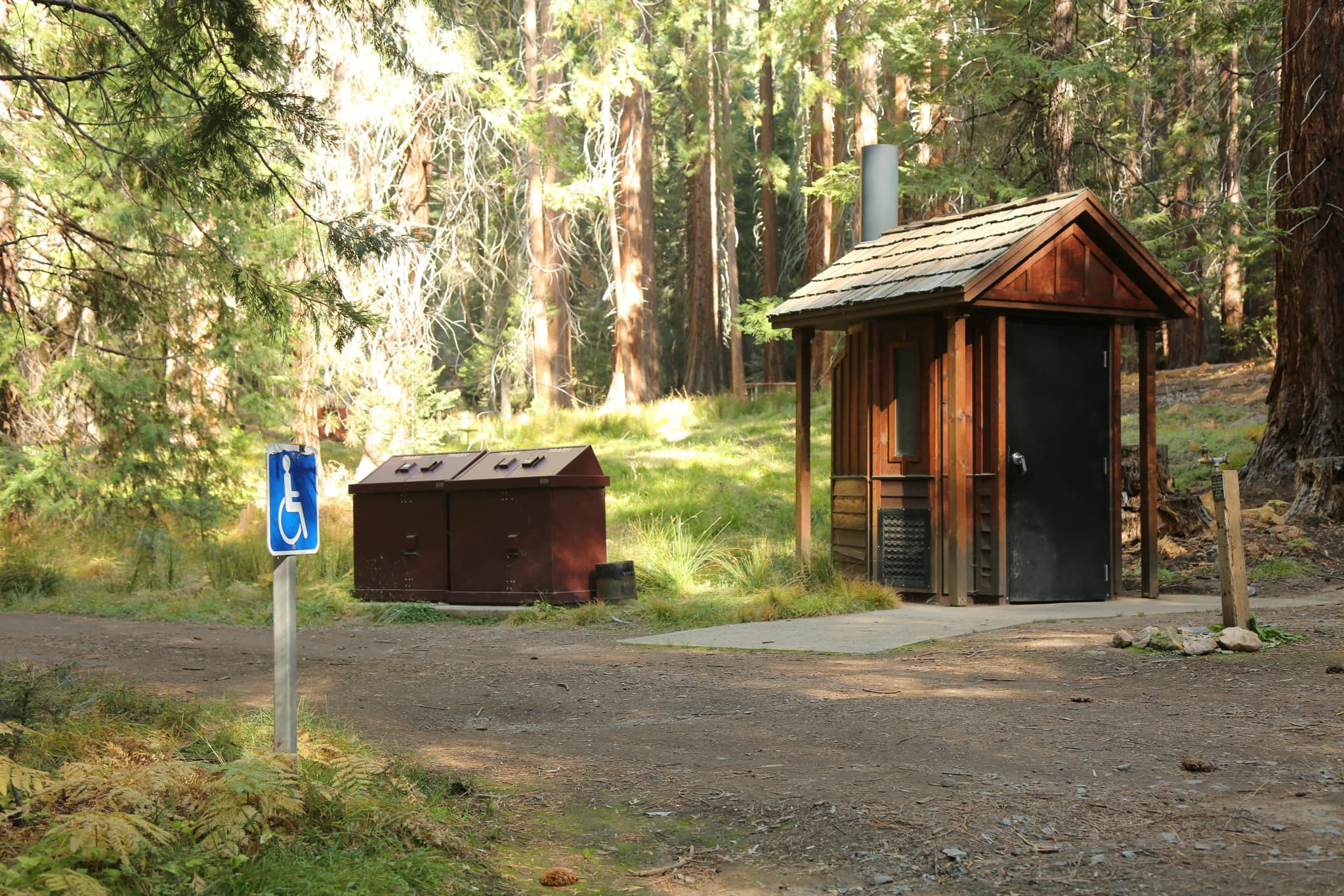
Shared with the far busier Mt. Whitney Trail, which has its own quota of 100 day-use and 60 overnight people per entry day. Bears are active here — Inyo NF specifically warns against leaving food in your car at trailheads.
Up Whitney Portal Road from Lone Pine. In the non-quota season, Recreation.gov warns that trailhead access may be affected by seasonal road closures.
Lone Pine has full services and the visitor center where you can rent a bear canister or buy maps. Inyo National Forest Wilderness Permit Office: (760) 873-2483.
Required and recommended gear for Whitney Mountaineer's
Trailhead transportation options
Browse all shuttlesExperienced wilderness guides
Browse all guidesSome links may be affiliate links. Purchases support PermitSnag at no extra cost to you.
Find authorized guide services and mountaineering schools for this peak.
Authorized guide services:
Don't own technical gear? Find rental shops near the trailhead.
Required gear you can rent:
Real-time route status, snow levels, and climbing conditions.
Current conditions include:
Check avalanche conditions before winter and spring climbs.
Avalanche info includes:
Yes, and Recreation.gov says so directly on the Mt. Whitney page: climbers planning a multi-day trip that will approach the East Face, East Buttress, Mountaineers Route or routes on Mt Russell need the overnight permit for the North Fork of Lone Pine Creek trail, found under the general Inyo National Forest wilderness permits. That is a different permit from the Mt. Whitney Trail lottery, with its own quota and its own release schedule.
No, unless you are doing it in a single day. The overnight North Fork permit is a rolling reservation on the Inyo National Forest wilderness permit system: 60% of the quota releases six months in advance at 7 a.m. Pacific and the other 40% releases two weeks in advance on the same day of the week. A single-day trip is the exception — Recreation.gov says that requires a Mt. Whitney Zone Day Use permit, which is the lottery.
$6 for the non-refundable reservation fee, plus $15 per person. The $15 rate is the Whitney Zone rate, which Inyo National Forest applies to Mt. Whitney, North Fork of Lone Pine Creek and Trail Crest Exit — everywhere else on the forest is $5. There are no discounts for annual passes, military, seniors or children, and everyone counts, regardless of age.
Neither Inyo National Forest nor Recreation.gov publishes a success rate for the North Fork of Lone Pine Creek trailhead, so there is no honest percentage to quote. What is published is the mechanism: quota season May 1 to November 1, 60% of quota out six months ahead at 7 a.m. Pacific and 40% two weeks ahead on the same weekday, with "NR" shown when the first tranche is gone and the second has not dropped. That two-week release is the one most people miss, and it is the one PermitSnag watches.
USFS is blunt about it: the trail is steep and hard to follow as you climb up and scramble over the Ebersbacher Ledges to reach Boy Scout Lakes, and parts of the route cross granite slabs requiring route-finding skills. It ends at Iceberg Lake at about 12,600 feet. Above that there is no hiking trail to the summit at all, and the routes vary in technical difficulty.
Late spring and early summer, when the couloir still holds snow you can climb. Recreation.gov notes the Whitney area is usually snow-free from July to late September, and once the couloir melts out it becomes loose rock rather than a snow climb. The quota season opens May 1, so the early-season window and the permit window line up.
Plan on it. Inyo National Forest requires food and scented items to be stored in containers designed to prevent access by bears in areas with a history of bear conflict, and specifically warns against leaving food in your car at trailheads. You can rent a canister in person at the visitor center nearest your trailhead when you pick up or reissue a permit.
You lose the reservation. Inyo National Forest sets a no-show deadline of 10 a.m. on your entry date: if you have not printed at home or had the permit issued at a visitor center by then, the reservation is cancelled and your space may go to other groups. You can print as early as seven days before the trip, but once printed you cannot make changes without going to a visitor center.
No active conditions reported
Sign in to report trail conditions.
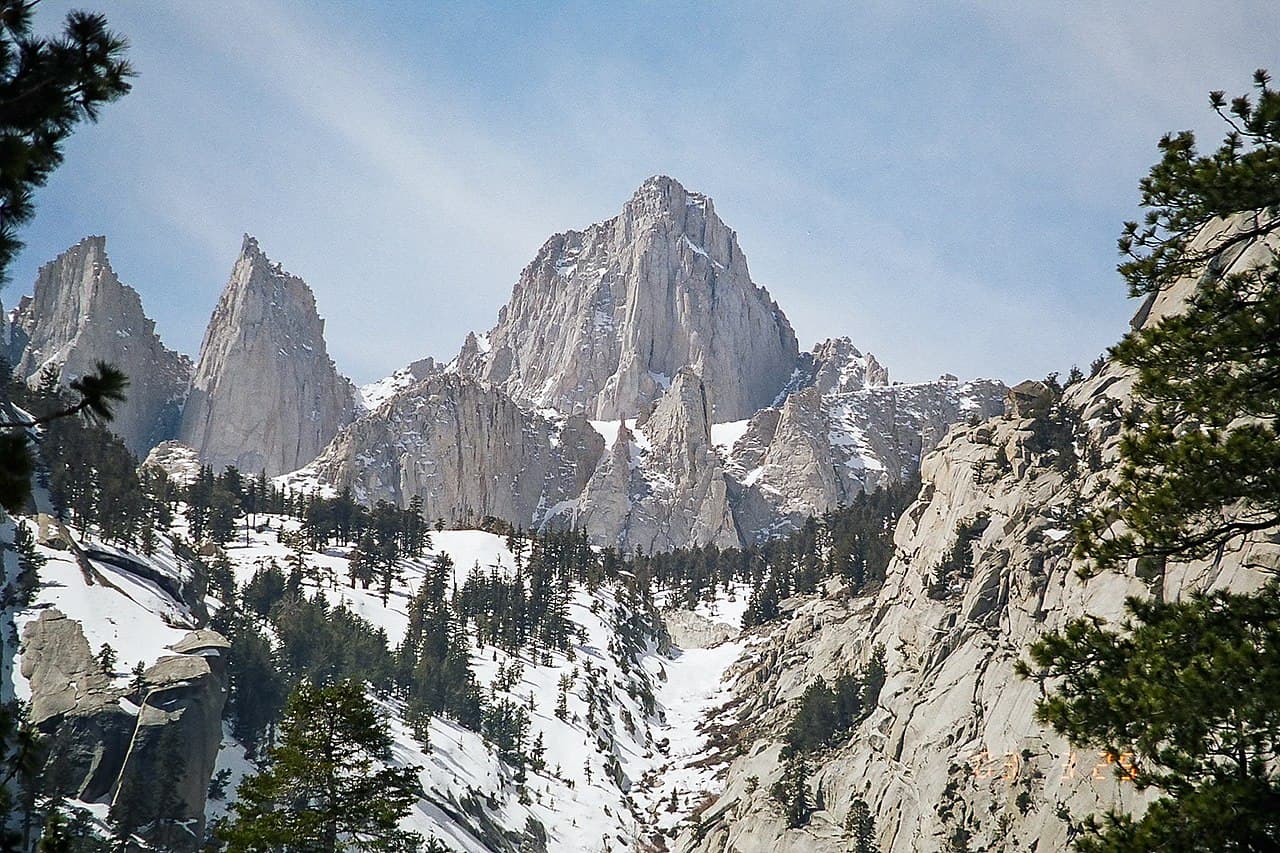
First light hits the east face directly, which is the whole reason this side of the range is photographed. From Iceberg Lake at 12,600 feet you are looking straight up into it as the sun comes over the Inyos.
Sunrise from Iceberg Lake or from the notch. The approach through the North Fork drainage is in shadow most of the morning and photographs badly; the summit plateau is flat light by midday.
The route is already the quiet side of Whitney — the Mt. Whitney Trail runs a separate lottery and a separate quota of 100 day-use and 60 overnight people per entry day, and none of them come this way. For real solitude, take a weekday entry date in October.
Consider these alternatives if your preferred dates aren't available.
The 22-mile round-trip trail route Recreation.gov calls non-technical but strenuous when free of snow, expecting 12 to 14 hours to the summit and back. Its own lottery, against a quota of 100 day-use and 60 overnight people per entry day.
No technical skills and a maintained trail, but a competitive lottery and the crowding that quota implies.
The permit you actually need if you want to climb the Mountaineer's Route in a single day rather than camping at Iceberg Lake. Recreation.gov states this requirement on the North Fork trail description.
No overnight gear to carry, but you swap a rolling reservation for the Whitney lottery and take on a very long day.
Another Sierra fourteener nearby, on a different Inyo entry trailhead with far less quota pressure.
Non-technical and much easier to permit, but a long day and none of the alpine character of the Whitney east side.
One of the technical rock routes USFS lists above Iceberg Lake, alongside the East Face and routes on Mt Russell. Same North Fork permit, same approach.
Real multi-pitch rock climbing rather than a couloir. Identical permit, considerably more technical commitment.
Nearby campgrounds to complete your Whitney Mountaineer's trip
A small favor
Google lets you pick the sites it highlights for you. Add PermitSnag and our permit pages get marked as one of yours in AI Overviews and AI Mode.
Takes less than a minute.